
Table des matières:
Your Quest for the Perfect Caffè Latte in Florence Starts Here
Florence, the cradle of the Renaissance, is also a city where coffee culture is taken seriously. While espresso reigns supreme, the caffè latte—a velvety blend of espresso and steamed milk—has earned its place in the hearts of locals and visitors alike. In 2026, the Florentine coffee scene is more vibrant than ever, with historic cafes, third-wave roasters, and artisanal milk bars competing for your attention.
Whether you’re a digital nomad seeking a morning ritual, a foodie hunting for Instagram-worthy latte art, or a traveler craving a comforting cup after a day at the Uffizi, this guide will lead you to the best caffè latte in Florence. We’ve scoured the city, from the cobblestone alleys of Oltrarno to the bustling Piazza della Signoria, to bring you the definitive list.
What Makes a Caffè Latte Exceptional in Florence?
A great caffè latte is not just about the coffee; it’s a balance of three elements: the espresso shot, the milk, and the barista’s skill. In Florence, the best versions use a robust Italian espresso blend—often with notes of dark chocolate and caramel—paired with fresh, whole milk steamed to a microfoam that is silky and sweet. The temperature should be just right, never scalding, to preserve the milk’s natural sugars.
In 2026, many Florentine cafes also offer plant-based alternatives like oat, soy, or almond milk, but purists argue that whole milk remains the gold standard for texture and flavor. Look for cafes that source their beans from reputable roasters, such as those in the specialty coffee movement, and where baristas take pride in their craft.
Key Factors to Judge a Caffè Latte
- Espresso quality: Freshly ground, properly extracted, with a rich crema.
- Milk texture: Velvety microfoam, no large bubbles, and a glossy surface.
- Temperature: Ideally 60–65°C (140–150°F) to avoid bitterness.
- Balance: The coffee and milk should harmonize, not overpower each other.
- Latte art: A sign of a skilled barista, but not essential for taste.
Top 10 Cafes for Caffè Latte in Florence (2026 Edition)
We’ve curated a list of ten must-visit spots, ranging from historic institutions to modern specialty cafes. Each offers a unique atmosphere and a stellar caffè latte.
1. Ditta Artigianale – The Third-Wave Pioneer
Located in the Oltrarno district, Ditta Artigianale is a haven for coffee connoisseurs. Founded by Francesco Sanapo, a multiple Italian barista champion, this cafe roasts its own beans and serves a caffè latte that is both artisanal and consistent. The milk is steamed to perfection, and the espresso is bright with fruity notes. Their oat milk latte is also a standout.
Address: Via dei Serragli, 3R
Pro tip: Pair your latte with their homemade pastries.
2. Caffè Gilli – Historic Elegance
Established in 1733, Caffè Gilli on Piazza della Repubblica is one of Florence’s oldest cafes. While known for its espresso, their caffè latte is a classic: smooth, balanced, and served with a side of history. The opulent interior and people-watching opportunities make it a must-visit.
Address: Via Roma, 1R
Note: Expect a premium price for the prime location.
3. La Ménagère – Trendy and Artistic
Part cafe, part concept store, La Ménagère offers a caffè latte made with specialty beans from various Italian roasters. The ambiance is chic and industrial, with a focus on design. Their latte art is Instagram-worthy, and the milk is always perfectly textured.
Address: Via de’ Ginori, 8R
Good to know: They also serve brunch until afternoon.
4. Simbiosi – The Coffee Laboratory
Simbiosi is a micro-roastery and coffee lab in the San Frediano area. They offer single-origin caffè lattes that change seasonally. The baristas are passionate and will explain the origin of the beans. This is the place for those who want to taste the difference between Ethiopian and Colombian lattes.
Address: Via dei Serragli, 146R
Pro tip: Ask for a latte with their house blend for a consistent experience.
5. Caffè Leoni – Hidden Gem in Santa Croce
Tucked away near the Basilica of Santa Croce, Caffè Leoni is a neighborhood spot beloved by locals. Their caffè latte is generous in size, affordable, and made with love. The milk is frothed to a thick foam, and the espresso is strong but not bitter.
Address: Via de’ Benci, 4R
Insider tip: Grab a seat outside on a sunny morning.
6. Shake Café – Modern and Vibrant
Shake Café in the San Lorenzo district is a modern cafe that serves a fantastic caffè latte with a choice of cow, soy, or almond milk. The atmosphere is lively, with a young crowd and free Wi-Fi. Their latte art is consistently good, and they use beans from a local roaster.
Address: Via del Corso, 40R
Note: It can get busy during peak hours.
7. Caffè Concerto Paszkowski – Musical History
Another historic cafe on Piazza della Repubblica, Paszkowski has been a meeting place for artists and writers since 1846. Their caffè latte is served in a classic white cup, with a rich espresso and perfectly steamed milk. The live piano music in the evenings adds to the charm.
Address: Piazza della Repubblica, 35R
Best time: Late afternoon for a relaxing break.
8. Rooster Café – Specialty and Community


Rooster Café in the Santo Spirito area is a specialty coffee shop that sources beans from top Italian roasters. Their caffè latte is meticulously prepared, with attention to temperature and texture. The decor is minimalist and cozy, perfect for working or reading.
Address: Via del Leone, 6R
Pro tip: Try their seasonal latte flavors, like cinnamon or vanilla.
9. Caffè degli Artigiani – Artisan Vibe
Located in the Oltrarno, Caffè degli Artigiani is a small, family-run cafe that focuses on quality. Their caffè latte uses a blend of Arabica and Robusta beans, giving it a full body and a slight bitterness that pairs well with sweet milk. The service is warm and welcoming.
Address: Via dello Sprone, 16R
Insider tip: They also serve excellent cappuccinos.
10. Le Tamerici – The Hidden Roastery
Le Tamerici is a coffee roastery and cafe off the beaten path. They roast their own beans daily, and their caffè latte is a revelation: fresh, aromatic, and with a crema that lingers. The industrial-chic space is a favorite among coffee geeks.
Address: Via del Corso, 12R
Note: They sell whole beans to take home.
How to Order a Caffè Latte Like a Local in Florence
In Italy, ordering coffee is a ritual. Here are some tips to navigate the cafe culture and get your perfect caffè latte in Florence:
- Know the terminology: In Italy, a “caffè latte” is often called a “latte” or “latte macchiato.” If you order a “latte” alone, you might get a glass of milk. Be clear: say “Un latte, per favore” or “Un caffè latte.”
- Timing matters: Italians typically drink milk-based coffees only in the morning. Ordering a latte after 11 AM might earn you a raised eyebrow, but in tourist areas, it’s acceptable.
- Stand at the bar: Drinking your latte at the bar is cheaper than sitting at a table (often 1–2 euros more). If you want to sit, you’ll pay a premium for the service.
- Pay first: Most cafes require you to pay at the register, then take the receipt to the barista. Keep the receipt until you’re served.
- Don’t ask for modifications: Italians rarely ask for skim milk or extra hot. Embrace the traditional preparation for the best experience.
Common Mistakes to Avoid When Searching for the Best Caffè Latte in Florence
Even seasoned travelers can fall into traps. Here’s what to watch out for:
- Overlooking the neighborhood: Tourist-heavy areas like Piazza del Duomo often have overpriced, mediocre coffee. Walk a few blocks away for better quality and prices.
- Assuming all cafes serve good latte: Not every bar is a coffee artisan. Look for cafes with a dedicated espresso machine and a busy barista.
- Skipping the milk choice: If you’re lactose intolerant, many specialty cafes now offer oat or soy milk. But in traditional bars, you may only find whole milk.
- Ignoring the temperature: A latte that’s too hot will taste burnt. If your cup is scalding, let it cool for a minute before sipping.
Caffè Latte vs. Cappuccino: What’s the Difference?
In Florence, you’ll see both on menus. A caffè latte has more milk and a thinner foam layer, while a cappuccino has equal parts espresso, steamed milk, and milk foam. The cappuccino is traditionally a breakfast drink, while the latte is more versatile. For a smoother, milkier experience, choose the latte.
The Best Time of Day for a Caffè Latte in Florence
While Italians often limit milk-based coffees to the morning, the best caffè latte in Florence can be enjoyed any time if you’re not a purist. Morning lattes are perfect for starting your day, while an afternoon latte can be a delightful pick-me-up. Many specialty cafes serve lattes all day without judgment.
Frequently Asked Questions About Caffè Latte in Florence
1. What is the average price of a caffè latte in Florence?
At the bar, a caffè latte costs around €1.50 to €2.50. At a table, expect €3.00 to €5.00, especially in touristy areas.
2. Can I get a caffè latte with plant-based milk in Florence?
Yes, many specialty cafes like Ditta Artigianale and Shake Café offer oat, soy, or almond milk. Traditional bars may not, so check ahead.
3. Is it rude to order a caffè latte after noon in Florence?
In traditional Italian culture, yes, but in 2026, most cafes in tourist areas serve lattes all day without issue. Locals may still consider it odd, but it’s widely accepted.
4. What’s the difference between a latte and a latte macchiato?
A latte macchiato is steamed milk with a shot of espresso poured on top, creating layers. A caffè latte is espresso with milk mixed together. Both are similar, but the macchiato has a stronger coffee flavor at the top.
5. Which Florence cafe has the best latte art?
La Ménagère and Ditta Artigianale are known for their beautiful latte art. Simbiosi also offers artistic presentations, especially with single-origin lattes.
6. Are there any coffee tours in Florence that focus on latte?
Yes, several tour companies offer specialty coffee walks that include latte tastings. Check with local roasters like Ditta Artigianale or Simbiosi for guided experiences.
Final Sip: Your 2026 Caffè Latte Journey in Florence
Florence in 2026 is a city where tradition meets innovation, and the caffè latte is a perfect example. Whether you choose a historic cafe like Caffè Gilli or a modern roastery like Simbiosi, each cup tells a story of passion and craftsmanship. Use this guide to navigate the scene, avoid common pitfalls, and discover your personal favorite. The best caffè latte in Florence is waiting for you—go find it.
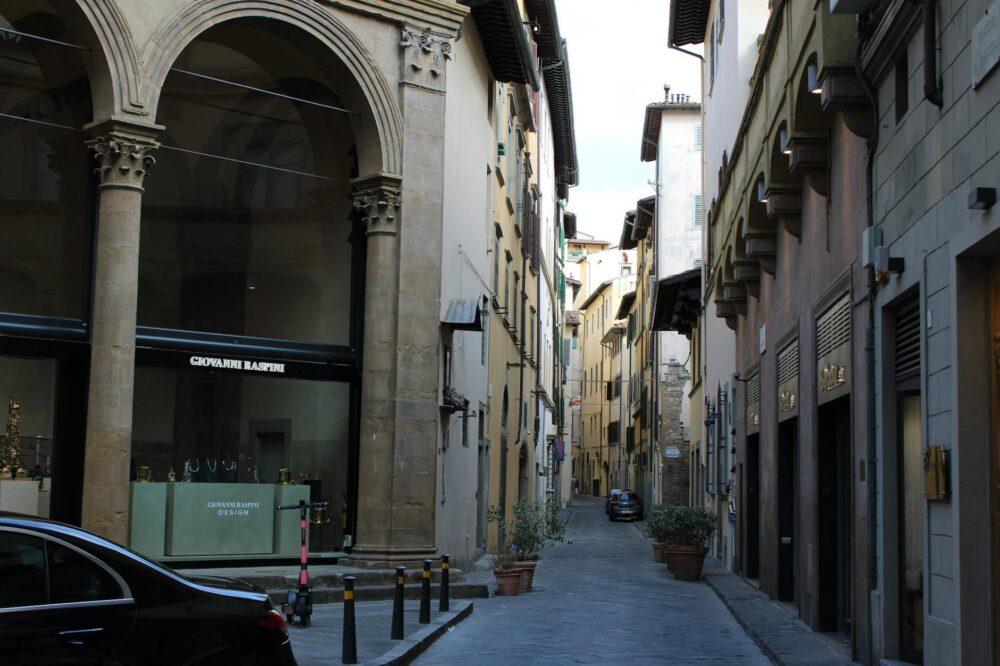
Photo by Dila Soğuktaş on Pexels
Great list! I’m planning a trip to Florence next spring and love a good latte. Do you have any tips for finding a cafe that uses oat milk? I’m lactose intolerant but still want a creamy texture.
Yes! Many specialty cafes now offer oat milk. Ditta Artigianale is praised for their oat milk latte, and they steam it well. Also try Simbiosi or La Ménagère, both known for quality plant-based options. Always ask if they have a barista blend oat milk, as it froths better.
I’ve been to Caffè Gilli and loved the atmosphere, but I found their latte a bit too hot. Is that typical for historic cafes?
It can happen. Traditional Italian cafes often serve lattes at higher temperatures. For a cooler, more balanced cup, try specialty spots like Ditta Artigianale or Melaleuca, where baristas pay close attention to temperature (around 60-65°C).
What about places near the Duomo? I’ll be staying close and don’t want to walk too far for a good latte.
Near the Duomo, Caffè Scudieri on Piazza San Giovanni is a solid choice. Also, a short walk away is La Ménagère on Via de’ Ginori, which offers a great specialty latte in a beautiful setting.
I’m a digital nomad and need a cafe with reliable WiFi and good coffee to work from. Any recommendations from your list?
Ditta Artigianale has free WiFi and a cozy vibe, perfect for working. Also, Melaleuca is popular with remote workers. However, during peak hours, it can get busy. Aim for mid-morning or early afternoon for a quieter spot.
I noticed you didn’t mention any cafes in the Oltrarno area besides Ditta Artigianale. Are there other hidden gems there?
Absolutely! In Oltrarno, try Caffè degli Artigiani on Via dello Sprone for a classic Italian latte. Also, Il Rifrullo on Via di San Niccolò is a great spot with a relaxed atmosphere. Both are less touristy and offer quality coffee.
Thanks for the guide! I’m curious about the espresso blends used. Do any of these cafes roast their own beans?
Yes, Ditta Artigianale roasts their own beans on-site. Also, Melaleuca sources from specialty roasters and often features single-origin options. For a truly local roast, try La Caffetteria delle Obliate, which uses beans from a local Florentine roastery.