
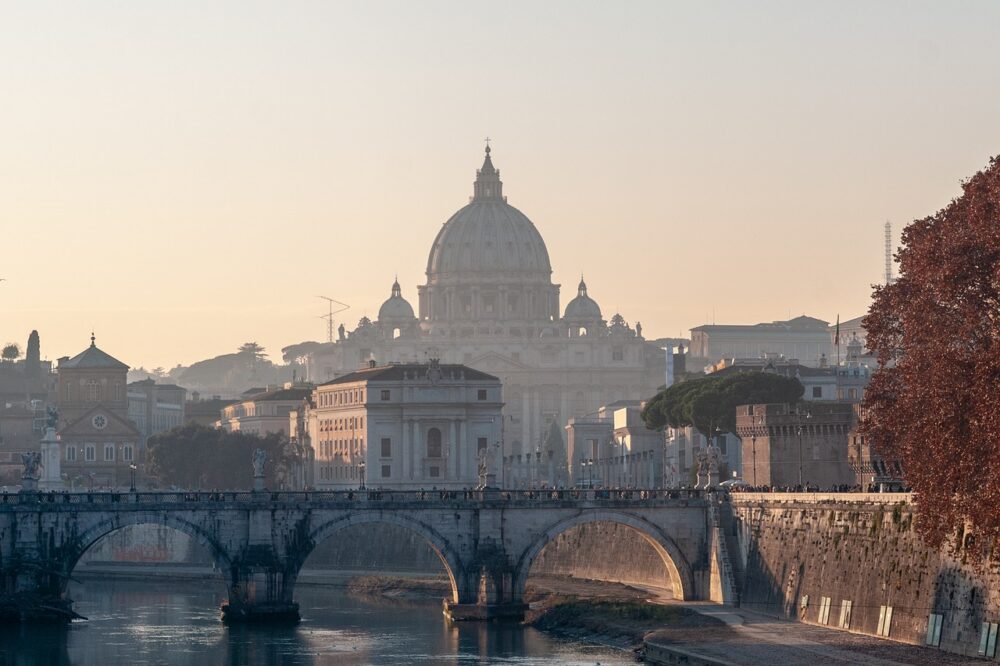
Rome’s coffee culture is legendary, but for many travelers, the quest for a perfect caffè ristretto can be surprisingly elusive. In 2026, the city’s coffee scene continues to evolve, blending tradition with innovation. Whether you’re a first-time visitor or a seasoned espresso enthusiast, finding a truly exceptional ristretto requires knowing where to look. This guide cuts through the noise, offering a curated list of Rome’s best bars, roasters, and hidden gems for a concentrated, aromatic shot.
Table des matières:
What Makes a Caffè Ristretto Special?
A caffè ristretto is a shorter, more concentrated espresso extraction, typically using the same amount of coffee grounds but half the water. The result is a sweeter, less bitter, and more aromatic shot. In Rome, a well-pulled ristretto should have a thick, golden crema and a velvety body. It’s not just a smaller drink; it’s a different sensory experience.
Top 5 Classic Roman Bars for Ristretto in 2026
Rome’s historic coffee bars are the backbone of its coffee culture. These establishments have been perfecting their craft for decades, and their ristretto is a testament to consistency and quality.
1. Sant’Eustachio Il Caffè
Located near the Pantheon, Sant’Eustachio is arguably Rome’s most famous coffee bar. Their secret blend and meticulous roasting process produce a ristretto with a distinctive, almost chocolaty richness. The baristas are masters of extraction, ensuring every shot is flawless. Order a ristretto at the counter—it’s the authentic Roman way.
2. Caffè Tazza d’Oro
Just steps from the Pantheon, Tazza d’Oro has been a coffee institution since 1946. Their ristretto is known for its intense aroma and balanced acidity. The bar uses a proprietary blend of Arabica beans, and the baristas are trained to pull shots that highlight the coffee’s natural sweetness. Try it with a splash of cold milk for a ristretto macchiato.
3. La Casa del Caffè Tazza d’Oro
Don’t confuse this with the previous entry—this is a separate historic roastery on Via degli Scipioni. Their ristretto is a favorite among locals, with a full body and a lingering finish. The shop also sells beans, so you can take the experience home.
4. Sciascia Caffè 1919
In the Prati district, Sciascia Caffè offers a ristretto that is both traditional and refined. The bar’s vintage decor and knowledgeable staff add to the experience. Their ristretto is slightly lighter in body but exceptionally aromatic, with notes of dried fruit and cocoa.
5. Bar del Cappuccino
Despite its name, this bar near the Vatican serves an outstanding ristretto. The atmosphere is no-frills, but the coffee is serious. Their ristretto is thick, dark, and intensely flavorful—perfect for a quick morning lift.
Modern Micro-Roasters and Third-Wave Spots
Rome’s coffee scene has embraced the third-wave movement, with specialty roasters and cafes focusing on single-origin beans, precise extraction, and direct trade. These spots are ideal for ristretto lovers who want to explore nuanced flavors.
Faro Caffè
Located in Trastevere, Faro is a specialty coffee bar that roasts its own beans. Their ristretto is a revelation—bright, fruity, and incredibly clean. The baristas are happy to explain the extraction process and recommend beans based on your taste. Don’t miss their seasonal single-origin ristretto.
Pergamino Caffè
With multiple locations, Pergamino is a reliable choice for high-quality ristretto. They source beans from small producers and roast them in small batches. Their ristretto is consistently excellent, with a velvety texture and complex flavor profile.
Roscioli Caffè
Roscioli is known for its gourmet food, but its coffee bar is equally impressive. Their ristretto is made from a blend of organic beans and is served with a small glass of sparkling water. The flavor is bold and slightly smoky, with a long aftertaste.
Hidden Gems: Where Locals Go
Avoid the tourist traps and seek out these lesser-known spots for an authentic ristretto experience.
Antico Caffè Greco


While famous, this historic bar on Via Condotti is often overlooked for its ristretto. Order it at the bar (not the overpriced tables) for a classic, well-executed shot that has been served since 1760.
Bar Necci dal 1924
In the Pigneto neighborhood, Bar Necci is a local haunt with a vintage vibe. Their ristretto is strong and full-bodied, perfect for pairing with a pastry. It’s a favorite among artists and students.
L’Antico Forno di Piazza Vittorio
This bakery and coffee bar serves a ristretto that is surprisingly good. The coffee is roasted in-house, and the baristas are passionate about their craft. It’s a great stop after exploring the nearby market.
How to Order a Caffè Ristretto in Rome Like a Local
Knowing how to order is half the battle. Here are practical tips:
- At the counter: Say “Un ristretto, per favore” and pay first at the register.
- At a table: If you sit down, expect a higher price. Always check the menu.
- Customize: Ask for “ristretto macchiato” (with a drop of milk) or “ristretto doppio” (double shot).
- Timing: Italians usually drink ristretto after a meal, but anytime is fine.
Common Mistakes to Avoid When Searching for Ristretto
Even seasoned travelers can fall into these traps:
- Confusing ristretto with espresso: A ristretto is shorter and more concentrated. If you ask for an espresso, you’ll get a longer shot.
- Expecting large portions: A ristretto is about 15-20 ml. It’s meant to be sipped quickly.
- Judging by appearance: A good ristretto has a thick crema, but not all dark cremas indicate quality.
- Overlooking the bar: The best ristretto often comes from busy bars with high turnover—fresh beans and clean machines matter.
Checklist for the Perfect Ristretto Experience
Use this checklist when visiting a new bar:
- ☐ Check the bar’s coffee roaster—local roasters often signal quality.
- ☐ Observe the barista’s technique—a good pull should take 20-30 seconds.
- ☐ Look for a thick, hazelnut-brown crema.
- ☐ Smell the aroma—it should be sweet and inviting, not burnt.
- ☐ Taste for balance—no sharp bitterness or sourness.
Frequently Asked Questions About Caffè Ristretto in Rome
What is the difference between ristretto and espresso?
A ristretto uses the same amount of coffee grounds but less water (about half), resulting in a smaller, more concentrated, and sweeter shot. Espresso is larger and can be more bitter.
Is caffè ristretto stronger than espresso?
In terms of caffeine, a ristretto actually has slightly less caffeine because the extraction is shorter. However, it tastes stronger due to its higher concentration of dissolved solids.
Can I get a ristretto in any Roman bar?
Most bars can make a ristretto, but not all do it well. Stick to the bars recommended in this guide or look for ones with a dedicated espresso machine and a rotating door of customers.
How much does a ristretto cost in Rome in 2026?
At a bar counter, expect to pay around €1.00–€1.50. At a table, it can be €2.50–€5.00. Specialty cafes may charge €2.00–€3.00.
What is the best time of day to drink ristretto in Rome?
Italians typically drink ristretto after a meal, but it’s acceptable anytime. Avoid ordering it after 11 AM if you want to fit in with locals—most switch to espresso or cappuccino in the morning.
Are there any ristretto-making classes or tours in Rome?
Yes, some coffee bars and roasters offer workshops. Check with Faro Caffè or Pergamino for hands-on experiences. These are great for enthusiasts who want to learn more.
Final Thoughts on Finding the Best Caffè Ristretto in Rome 2026
Rome’s coffee culture is deep and rewarding, and finding a perfect caffè ristretto is a journey worth taking. Whether you prefer the historic charm of Sant’Eustachio, the modern precision of Faro, or the local vibe of Bar Necci, each spot offers a unique window into Roman life. In 2026, the city’s coffee scene is more diverse than ever, so embrace the exploration. Sip slowly, savor the moment, and let the ristretto be your guide to the Eternal City’s true flavor.
Photo by davidecattini on Pixabay
Great list! I’m planning a trip in spring 2026. Do these places get very crowded in the mornings?
Yes, especially Sant’Eustachio and Tazza d’Oro near the Pantheon can be busy around 9-11 AM. Try going early (7:30-8:30 AM) or mid-afternoon for a quieter experience.
I always thought ristretto was just a smaller espresso. Thanks for explaining the extraction difference. Is there a specific time of day Romans prefer ristretto?
You’re welcome! Romans often enjoy ristretto after a meal as a digestif, or mid-morning as a quick pick-me-up. It’s less common at breakfast, when a cappuccino rules.
What about price? Are ristrettos usually the same price as a regular espresso?
Typically, a ristretto costs the same as a standard espresso (around €1-1.50 at the counter). Some specialty spots may charge slightly more for single-origin beans.
I’m lactose intolerant—do any of these bars offer plant-based milk for a ristretto macchiato?
Most modern bars like those in the third-wave scene offer soy or oat milk. Classic bars may only have cow’s milk, but you can always order a ristretto without milk.
Nice guide! I’ve been to Sant’Eustachio and loved it. Do you know if they sell their beans for home brewing?
Yes, Sant’Eustachio sells their roasted beans in-store. You can buy a bag to take home, but note that the blend is optimized for their professional machines.
I’ll be near the Vatican. Is Bar del Cappuccino walkable from St. Peter’s?
Absolutely, it’s about a 10-minute walk from St. Peter’s Square. Located on Via della Conciliazione, it’s a convenient stop after visiting the basilica.