
France is a living museum of architectural styles, from Roman ruins to contemporary glass towers. But if you’re planning a trip in 2026 and wondering which French city has the best architecture, the answer isn’t simple—it depends on what you value. Do you prefer medieval charm, Renaissance grandeur, or cutting-edge design? This guide breaks down the top contenders, compares their unique offerings, and helps you decide based on your interests. By the end, you’ll know exactly which city deserves your next architectural pilgrimage.
Table des matières:
Paris: The Timeless Icon of French Architecture
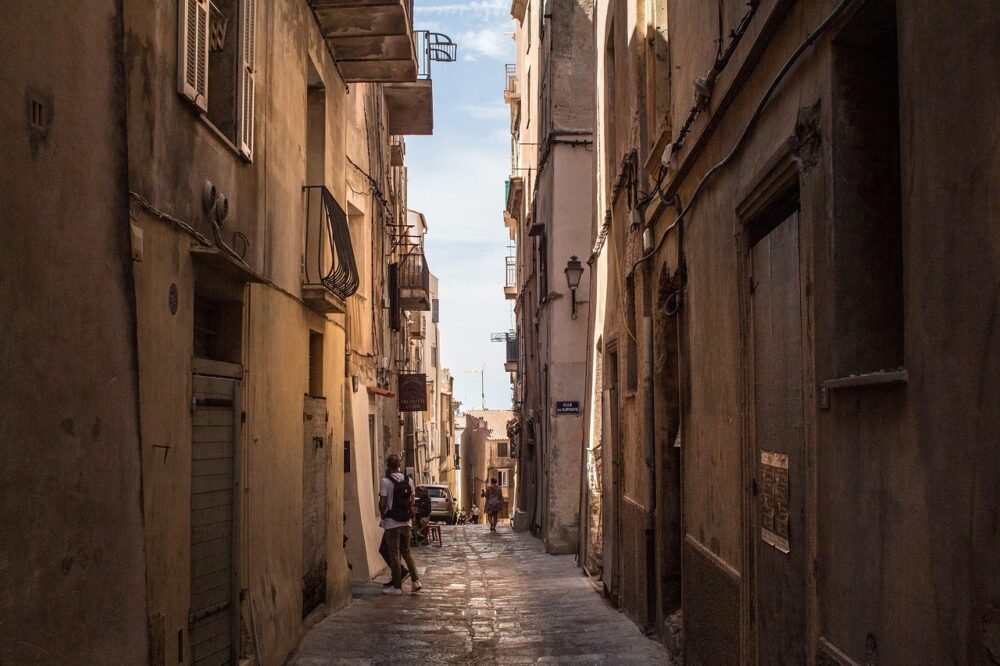
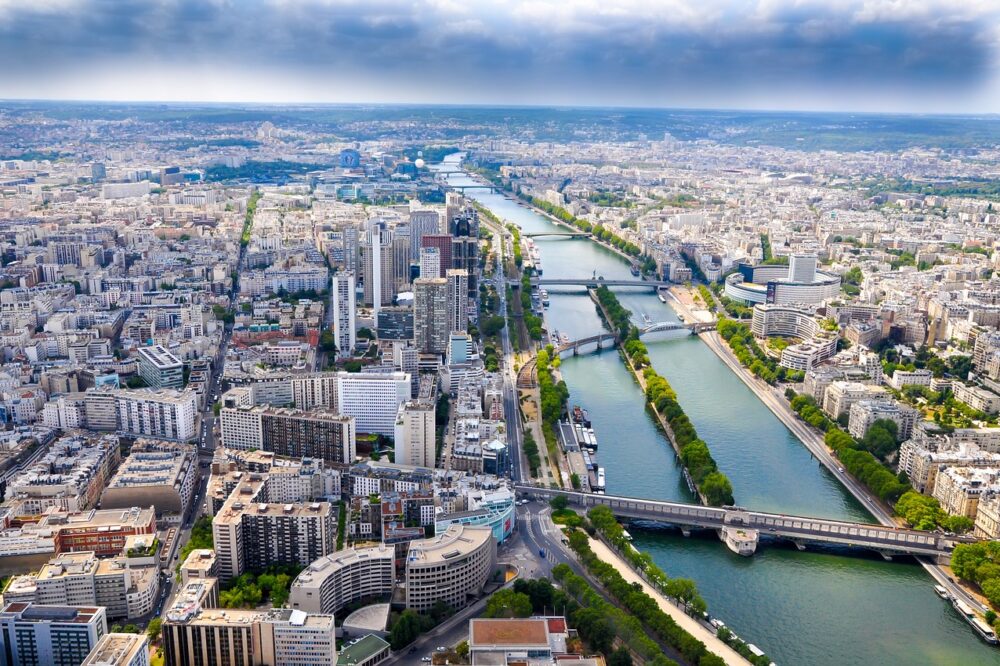
Paris remains the default answer for many, and for good reason. The city’s Haussmannian boulevards, with their uniform cream stone facades and wrought-iron balconies, create a cohesive urban fabric that is instantly recognizable. But Paris is far from a static museum. In recent years, the city has embraced contemporary architecture with projects like the Fondation Louis Vuitton (Frank Gehry, 2014) and the new Tribunal de Paris (Renzo Piano, 2018). By 2026, the Grand Paris Express will add new stations designed by starchitects, including a futuristic network that will redefine the suburbs.
Must-See Architectural Highlights in Paris
- Notre-Dame Cathedral – Reopening in 2024, its restoration is a marvel of medieval craftsmanship.
- Eiffel Tower – The iron lattice icon, still stunning after 136 years.
- Sacré-Cœur Basilica – Romano-Byzantine style atop Montmartre.
- La Défense – Europe’s largest purpose-built business district, with skyscrapers like the Tour First.
- Fondation Louis Vuitton – A glass-and-steel sailboat in the Bois de Boulogne.
Paris excels in variety and density. You can walk from a medieval church to a Haussmannian apartment building to a contemporary art museum in under an hour. However, the city can feel overwhelming, and some argue that its strict zoning laws have limited architectural innovation in the historic core.
Lyon: The Renaissance & Traboules Gem
Lyon is often called the capital of French gastronomy, but its architecture is equally impressive. The city boasts two UNESCO World Heritage sites: the historic center (Vieux Lyon) and the hill of Fourvière. Lyon’s unique feature is the traboules—hidden passageways that cut through buildings, connecting streets and courtyards. These were used by silk workers in the 19th century and now offer a secret network for explorers.
Why Lyon Stands Out in 2026
Lyon has invested heavily in urban renewal. The Confluence district, on the peninsula between the Rhône and Saône rivers, is a showcase of contemporary architecture. The Musée des Confluences, a deconstructivist glass-and-steel structure, opened in 2014 and has become a symbol of the city’s forward-thinking approach. By 2026, the neighborhood will be fully developed, with eco-friendly buildings and public spaces.
Top Architectural Experiences in Lyon
- Vieux Lyon – Europe’s largest Renaissance district, with colorful facades and courtyards.
- Basilica of Notre-Dame de Fourvière – A 19th-century basilica with panoramic views.
- Musée des Confluences – A futuristic museum at the confluence of two rivers.
- Traboules – Explore the hidden passageways of the Croix-Rousse district.
- Roman Theatres of Fourvière – Ancient ruins with summer concerts.
Lyon offers a more intimate and walkable experience than Paris. Its mix of Renaissance charm and modern innovation makes it a strong contender for the best architecture in 2026.
Bordeaux: The 18th-Century Masterpiece Revitalized
Bordeaux is famous for its wine, but its architecture is equally intoxicating. The city center is a UNESCO World Heritage site, thanks to its well-preserved 18th-century ensemble. The Place de la Bourse, with its reflecting pool (Miroir d’Eau), is one of the most photographed spots in France. But Bordeaux didn’t rest on its laurels. In 2026, the city continues to evolve with the Cité du Vin, a stunning wine museum shaped like a decanter, and the new Darwin eco-district, a former military barracks turned creative hub.
Architectural Highlights in Bordeaux
- Place de la Bourse – A masterpiece of French classical architecture.
- Cathédrale Saint-André – Gothic grandeur with a 13th-century tower.
- Cité du Vin – A contemporary gold-and-glass structure.
- Darwin Eco-District – Urban renewal with street art and co-working spaces.
- Pont Jacques Chaban-Delmas – Europe’s longest vertical-lift bridge.
Bordeaux’s strength is its consistency. The 18th-century facades are so uniform that the city feels like an open-air museum. Yet, the contemporary additions are carefully integrated, avoiding the jarring contrasts seen in some cities.
Marseille: Mediterranean Eclecticism & Edgy Design
Marseille, France’s oldest city, is a melting pot of cultures and styles. Its architecture reflects its history as a port: Greek, Roman, Byzantine, and modern influences coexist. The Vieux Port is surrounded by 17th-century buildings, but the city’s most iconic structure is the Notre-Dame de la Garde basilica, a Neo-Byzantine landmark overlooking the sea. In 2013, Marseille was the European Capital of Culture, which spurred major projects like the MuCEM (Museum of European and Mediterranean Civilizations), a concrete lattice cube designed by Rudy Ricciotti.
Why Marseille Is a Contender for 2026
Marseille is raw and authentic. Its architecture isn’t polished like Bordeaux’s; it’s layered and sometimes gritty. The Panier district offers narrow streets with pastel-colored houses, while the modern CMA CGM Tower (Zaha Hadid Architects, 2011) adds a futuristic touch. By 2026, the city will have completed the renovation of the Palais de la Bourse and the new Euroméditerranée business district.
Architectural Must-Sees in Marseille
- Notre-Dame de la Garde – The golden statue of the Virgin Mary watches over the city.
- MuCEM – A contemporary masterpiece with a footbridge to Fort Saint-Jean.
- Le Panier – The oldest district, with colorful facades and street art.
- Vieux Port – Norman Foster’s mirrored canopy (2013) added a modern touch.
- CMA CGM Tower – A curved glass skyscraper that resembles a ship’s sail.
Marseille offers a different kind of beauty—one that is unpretentious and vibrant. If you appreciate architectural diversity and a sense of history in the making, this city might win your heart.
Strasbourg: Where French and German Architecture Merge
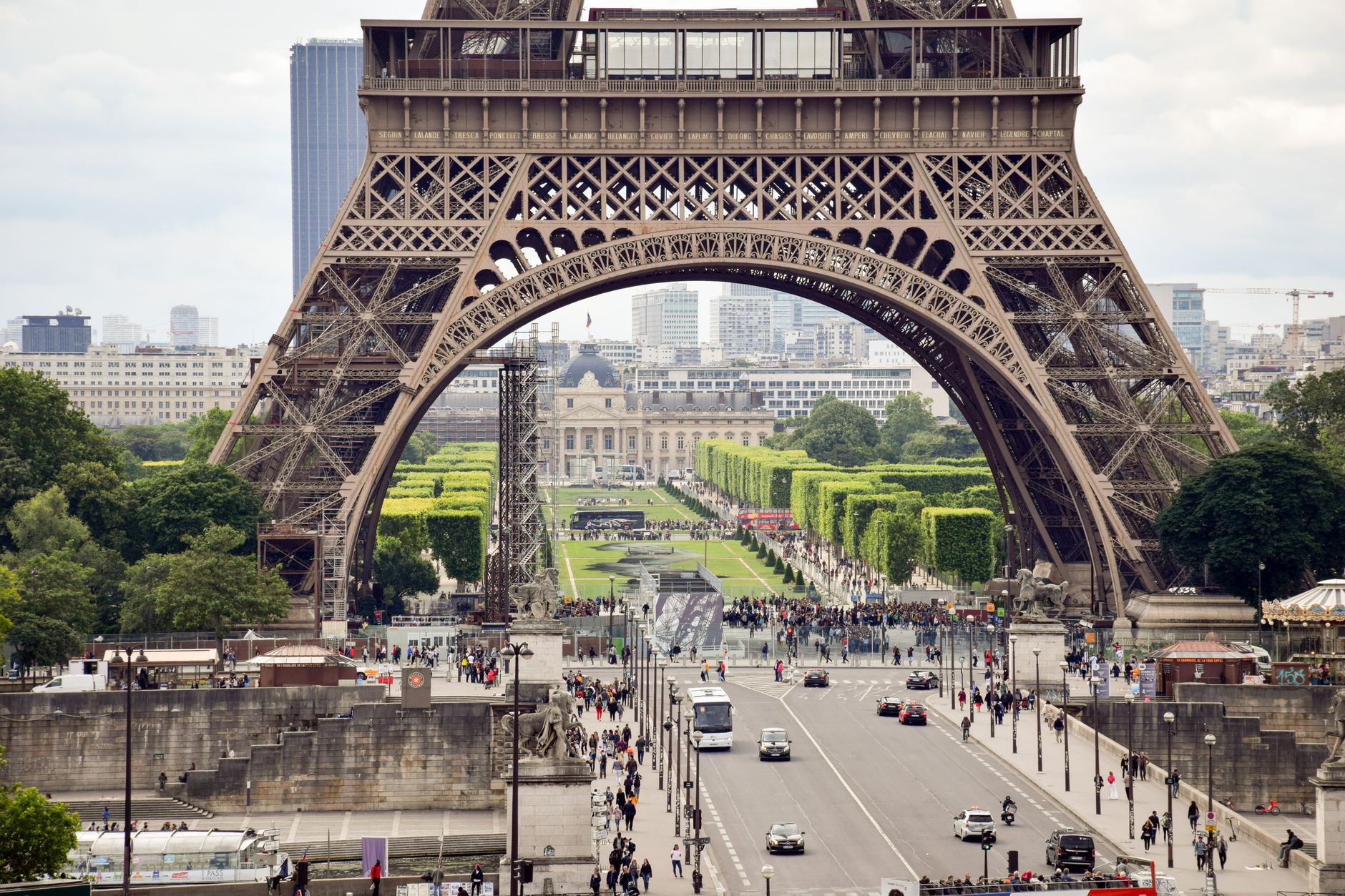
Strasbourg, the capital of Alsace, is a unique blend of French and Germanic influences. Its historic center, the Grande Île, is a UNESCO site. The Cathédrale Notre-Dame de Strasbourg, a masterpiece of Gothic architecture, has a single spire that was the tallest building in the world until the 19th century. The city’s half-timbered houses in the Petite France district are quintessentially Alsatian, with flower-bedecked bridges and canals.
Contemporary Additions in Strasbourg


Strasbourg is also home to the European Parliament, the Council of Europe, and the European Court of Human Rights. These institutions have attracted modern architecture, including the sleek European Parliament building (1999) and the new Vaisseau science center. By 2026, the city will have renovated the Palais Rohan and expanded the tram network with architecturally designed stations.
- Strasbourg Cathedral – A pink sandstone Gothic wonder.
- Petite France – Half-timbered houses and canals.
- European Parliament – A modern glass-and-steel complex.
- Palais Rohan – A Baroque palace housing three museums.
- Le Vaisseau – A children’s science center in a contemporary building.
Strasbourg is perfect for those who love a fairy-tale atmosphere combined with European political significance.
Nantes: A Creative Laboratory for Urban Art
Nantes has reinvented itself from a shipbuilding town to a creative capital. The city is known for its public art and temporary installations, thanks to the Le Voyage à Nantes initiative. The Château des Ducs de Bretagne is a Renaissance castle, while the Machines de l’Île features giant mechanical animals, including a 12-meter-tall elephant. Nantes’ architecture is eclectic, with medieval, 18th-century, and contemporary buildings coexisting.
Architectural Highlights in Nantes
- Château des Ducs de Bretagne – A fortified castle with a white stone facade.
- Machines de l’Île – A whimsical workshop of mechanical creatures.
- Passage Pommeraye – A 19th-century shopping arcade with glass roof.
- Tour Bretagne – A 1970s skyscraper with a rooftop view.
- Île de Nantes – A former shipyard turned creative district.
Nantes is ideal for travelers who want architecture that is playful and interactive. It’s less about historical purity and more about imagination.
How to Choose the Best French City for Architecture in 2026
To help you decide, here’s a quick comparison based on your preferences:
| Preference | Best City | Why |
|---|---|---|
| Classic elegance & variety | Paris | Unmatched density of world-famous landmarks and styles. |
| Renaissance charm & hidden passages | Lyon | Vieux Lyon and traboules offer a unique, intimate experience. |
| 18th-century harmony & wine | Bordeaux | Uniform classical facades and a modern wine museum. |
| Eclectic, edgy & Mediterranean | Marseille | Raw diversity from ancient to contemporary, with a coastal vibe. |
| French-German fusion & European vibe | Strasbourg | Gothic cathedral and half-timbered houses meet EU institutions. |
| Creative & playful urban art | Nantes | Machines de l’Île and street art make architecture fun. |
Practical Checklist for Your Architecture Tour in 2026
- Book guided tours for exclusive access, like Lyon’s traboules or Bordeaux’s private courtyards.
- Check construction updates – Some sites may be under renovation (e.g., Notre-Dame de Paris fully reopens in 2024).
- Use public transport – Most cities have efficient trams or metros that connect historic and modern districts.
- Visit during shoulder season – Spring (April-May) or fall (September-October) for pleasant weather and fewer crowds.
- Combine architecture with local cuisine – Many cities offer food tours that include historic buildings.
- Don’t miss contemporary districts – Lyon’s Confluence, Bordeaux’s Darwin, and Marseille’s Euroméditerranée.
Frequently Asked Questions
Which French city has the best architecture overall in 2026?
Paris still offers the most comprehensive architectural experience, but Lyon and Bordeaux are strong contenders for their cohesive historic centers and modern additions. The best city depends on your personal taste.
Is Paris architecture overrated?
Not at all. Paris’s Haussmannian boulevards and iconic landmarks are world-class. However, if you prefer a more intimate scale, Lyon or Bordeaux might feel more authentic.
What is the most beautiful French city for architecture?
Beauty is subjective. Many travelers find Lyon’s Renaissance district and traboules enchanting, while others prefer the classical symmetry of Bordeaux. Strasbourg’s half-timbered houses are also a top contender.
Which French city has the best modern architecture?
Marseille’s MuCEM and CMA CGM Tower, along with Paris’s Fondation Louis Vuitton and La Défense, lead the way. Lyon’s Confluence district is also a hub for contemporary design.
Are there any hidden architectural gems in France?
Definitely. Consider visiting smaller cities like Nancy (Place Stanislas), Dijon (half-timbered houses), or Aix-en-Provence (fountains and mansions). They offer rich architecture without the crowds.
How can I see the best architecture in France on a budget?
Many architectural highlights are free to view from the outside. Use city passes for discounted entry to museums and monuments. Walking tours are often inexpensive or free with a guide.
In 2026, the question of which French city has the best architecture is more exciting than ever. Each city offers a distinct flavor, from Paris’s timeless grandeur to Marseille’s gritty charm. Whether you’re a history buff, a design enthusiast, or a curious traveler, France’s architectural tapestry has something for you. Plan your trip around your personal preferences, and you won’t be disappointed.

Great article! I’m planning a trip in 2026 and trying to decide between Paris and Lyon. Which city would you recommend for someone who loves both medieval and modern architecture?
Thanks! If you want a blend of medieval and modern, Paris offers a wider variety in a compact area, from Notre-Dame to the Fondation Louis Vuitton. Lyon also has great contrasts, especially in the Confluence district, but its modern collection is smaller. For sheer diversity, choose Paris.
Is the Grand Paris Express expected to be fully operational by 2026? I’m curious about the new stations.
The Grand Paris Express is a massive project, and not all lines will be complete by 2026. However, several stations will open that year, including those designed by starchitects. It’s worth checking the official timeline for the specific stations you’re interested in.
I’ve always thought Lyon’s traboules are unique. Are they easy to find and explore for tourists?
Yes, many traboules are open to the public, especially in Vieux Lyon and the Croix-Rousse district. Some are marked on tourist maps, and guided tours are available. They’re a wonderful way to discover hidden courtyards and passageways.
What about cities like Bordeaux or Marseille? They have interesting architecture too.
Absolutely! Bordeaux is famous for its 18th-century architecture and the Place de la Bourse, while Marseille offers a mix of ancient and modern, like the MuCEM. We focused on Paris and Lyon for their density of highlights, but other French cities are worth exploring for specific styles.
The article mentions Paris’s zoning laws limiting innovation. Can you give an example of how that affects new buildings?
In central Paris, strict height restrictions and facade regulations preserve the Haussmannian look. This means contemporary buildings are often pushed to the periphery, like in La Défense, or are limited to innovative interiors behind preserved facades. It protects the historic character but can discourage bold new designs in the core.
I’m a photographer. Which city offers the best skyline or rooftop views for architecture shots?
Paris has iconic views from the Eiffel Tower and Montparnasse Tower, but for a cohesive skyline, La Défense is excellent. Lyon offers beautiful panoramas from Fourvière hill, showcasing the confluence of rivers and the contrast between old and new. Both are great for photography.
Are there any architectural festivals or events in 2026 that I should plan around?
The Journées du Patrimoine (Heritage Days) in September are nationwide and offer free access to many buildings. Paris also hosts the Festival de l’Architecture in June. Check local tourism websites for 2026 dates closer to your trip.
Thanks for the detailed guide! I think I’ll go with Lyon for its Renaissance charm and the traboules.
You’re welcome! Lyon is a fantastic choice for Renaissance architecture and unique urban experiences. Don’t miss the Musée des Confluences for a modern contrast. Enjoy your trip!