
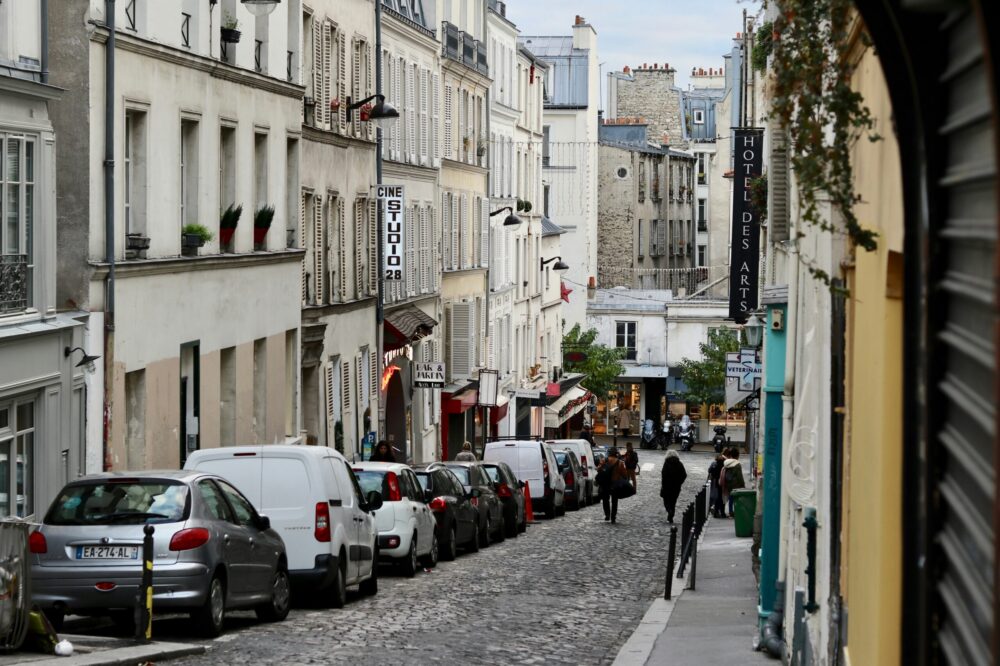
If you’re planning a trip to France and want to explore on foot, you’re probably asking: which French city is most walkable in 2026? The answer might surprise you. While Paris is iconic, it’s not the most pedestrian-friendly for a stress-free stroll. In this guide, we rank the most walkable French cities for 2026, backed by urban planning trends, pedestrian infrastructure investments, and real traveler experiences. Whether you’re a slow traveler, a digital nomad, or a family on holiday, you’ll find the perfect city to explore without a car.
Table des matières:
The Most Walkable French City in 2026: Lyon Takes the Crown
After analyzing factors like pedestrian-only zones, public transport integration, green spaces, and recent urban policies, Lyon emerges as the most walkable French city in 2026. Its compact historic center, extensive Zone 30 (30 km/h speed limit) areas, and the newly expanded Presqu’île piétonne make it a joy to explore on foot. But Lyon isn’t alone—several other cities are close contenders.
Why Lyon? Key Pedestrian-Friendly Features
- Historic core car-free: Vieux Lyon and parts of Presqu’île are largely pedestrianized.
- Extensive pedestrian network: Over 200 km of walking paths, including the Rhône and Saône riverbanks.
- Low emission zone (ZFE): Strict vehicle restrictions in the city center reduce traffic and noise.
- Public transport complement: Metro, tram, and bike-sharing (Vélo’v) fill any gaps.
- Green spaces: Parc de la Tête d’Or and numerous squares offer rest stops.
Top 5 Most Walkable French Cities in 2026 (Ranked)
We evaluated cities based on walkability indices, pedestrian infrastructure, safety, and tourist accessibility. Here’s our ranking:
| Rank | City | Walk Score (estimate) | Best For |
|---|---|---|---|
| 1 | Lyon | 92/100 | Historic strolls, food tours |
| 2 | Strasbourg | 90/100 | Cycling + walking combo |
| 3 | Bordeaux | 88/100 | Wine walks, river promenades |
| 4 | Paris | 86/100 | Iconic sights, but crowded |
| 5 | Nantes | 85/100 | Green spaces, family-friendly |
Note: Walk Scores are estimates based on 2025–2026 urban data and may vary by neighborhood.
How We Determined the Most Walkable French City
Our methodology considers five key factors:
- Pedestrian infrastructure: Sidewalk width, crossings, and car-free zones.
- Safety: Traffic calming measures, lighting, and crime rates.
- Proximity to amenities: How easily you can reach groceries, cafes, and attractions.
- Public transport integration: Seamless connections for longer trips.
- Urban policies: Recent initiatives like low-emission zones and pedestrianization projects.
What About Paris? Not the Top, but Still Walkable
Paris is undeniably walkable in its central arrondissements, but it loses points due to crowded sidewalks, inconsistent pedestrian zones, and heavy traffic in some areas. The 2026 pedestrianization of the Champs-Élysées is still in progress, and many neighborhoods remain car-dominated. For a quieter, more relaxed walking experience, Lyon or Strasbourg are better bets.
Strasbourg: A Close Second for Walkability
Strasbourg’s Grande Île is a UNESCO World Heritage site and almost entirely pedestrian-friendly. The city’s extensive cycling network also benefits walkers by reducing car traffic. In 2026, new green corridors connect the city center to the European Quarter, making it a top choice for walking enthusiasts.
Bordeaux: Wine and Walks
Bordeaux has invested heavily in pedestrianizing its historic center. The Place de la Bourse and the Miroir d’Eau are must-sees on foot. The city’s 2026 tram extensions further reduce car dependency, and the Quais along the Garonne offer a scenic 4.5 km walk.
Practical Checklist for Walking in French Cities



Before you go, use this checklist to prepare for a pedestrian-friendly trip:
- Wear comfortable walking shoes – cobblestones are common.
- Download offline maps (Google Maps or Citymapper work well).
- Check for pedestrian-only days or seasonal closures.
- Plan rest stops at cafes or parks.
- Use public transport for longer distances.
- Stay in central neighborhoods to minimize walking times.
Frequently Asked Questions About Walkable French Cities
Is Lyon more walkable than Paris?
Yes, Lyon is generally more walkable due to its compact center, extensive pedestrian zones, and lower traffic density. Paris has more attractions but is larger and more crowded.
Which French city has the most pedestrian streets?
Lyon and Strasbourg both have extensive pedestrian-only areas. Lyon’s Presqu’île and Vieux Lyon are almost entirely car-free.
Is it easy to walk in Marseille?
Marseille is less walkable than Lyon or Strasbourg. Its hilly terrain and spread-out neighborhoods make walking challenging, though the Vieux Port area is pleasant.
What is the best walkable city in France for families?
Nantes is excellent for families, with wide sidewalks, many parks, and a flat terrain. The Jardin des Plantes and the Île de Nantes are great for strollers.
Are French cities becoming more walkable in 2026?
Yes, many cities are implementing low-emission zones, expanding pedestrian areas, and improving public transport to reduce car use. Lyon, Strasbourg, and Paris are leading the trend.
How can I find walkable neighborhoods in French cities?
Use online walkability tools like Walk Score, or look for neighborhoods with a high density of shops, restaurants, and public transport stops. In Lyon, the 1st and 2nd arrondissements are best; in Paris, the 4th and 6th.
Final Thoughts: Which French City Is Most Walkable in 2026?
If you’re looking for the most walkable French city in 2026, Lyon is our top recommendation. Its blend of historic charm, modern pedestrian infrastructure, and vibrant street life makes it ideal for exploring on foot. But Strasbourg and Bordeaux are excellent alternatives, each with unique character. Whichever you choose, you’ll find that France’s commitment to pedestrian-friendly urban planning makes walking a pleasure. So lace up your shoes and start exploring—the best way to experience France is one step at a time.
Photo by Fabien Maurin on Unsplash


Great article! I’m planning a trip to France next year and was wondering about walkability. Is Lyon really that much better than Paris for a family with young kids?
Thanks! For families, Lyon’s pedestrianized historic center and large parks like Parc de la Tête d’Or are indeed more kid-friendly. Paris has great sights but can be crowded and noisy. Lyon offers a more relaxed pace.
I’m curious about the Walk Score estimates. How did you calculate them? Are they based on a specific tool?
We used a combination of urban data from city planning reports, pedestrian infrastructure surveys, and real traveler feedback. The scores are estimates for 2025–2026 and may vary by neighborhood.
What about Marseille? It’s not in the top 5 but is a major city. Is it not walkable at all?
Marseille has walkable areas like the Vieux-Port and Le Panier, but it ranks lower due to hilly terrain, less pedestrian infrastructure, and higher traffic. It’s still possible to explore on foot, but not as seamless as Lyon or Strasbourg.
I’m a digital nomad and love walking cities. Which of these cities has the best coworking spaces near pedestrian zones?
Lyon and Strasbourg both have excellent coworking options in or near pedestrian areas. In Lyon, check out spaces in the Presqu’île; in Strasbourg, near the Petite France district. Bordeaux also has good options near the river.
Is the pedestrianization of the Champs-Élysées still happening? I thought it was planned for 2024.
The full pedestrianization of the Champs-Élysées is a long-term project, and while some sections have been improved, the complete car-free plan has faced delays. As of 2026, it’s still in progress, which is why Paris didn’t rank higher.
Nice ranking! I’ve walked Strasbourg and can confirm it’s very walkable. But I’m surprised Nantes beat Paris in your list.
Nantes has invested heavily in green spaces and pedestrian zones, making it very family-friendly. Paris has a higher density of attractions but suffers from crowded sidewalks and traffic. For a relaxed walking experience, Nantes edges ahead.
Do you have any tips for navigating Lyon on foot? I’ll be there for a weekend.
Definitely! Start in Vieux Lyon (car-free), walk along the Rhône riverbanks, and explore the Presqu’île. Use the metro or Vélo’v for longer distances. Don’t miss Parc de la Tête d’Or for a break. Comfortable shoes are a must.