
Table des matières:
Why Ankara Deserves a Spot on Your Turkey Itinerary
While Istanbul often steals the spotlight, Turkey’s capital city Ankara offers a rich blend of history, culture, and modern life that many travelers overlook. If you’re wondering what are the best things to do in Ankara, you’ll find a city that balances ancient Hittite roots, Roman ruins, Ottoman architecture, and a dynamic contemporary scene. Whether you’re a history enthusiast, a food lover, or an art seeker, Ankara has something for everyone. This guide will walk you through the top attractions, hidden gems, and practical tips to make the most of your visit.
Explore the Iconic Anıtkabir: Atatürk’s Mausoleum
Anıtkabir is more than just a monument; it’s the symbolic heart of modern Turkey. This sprawling complex honors Mustafa Kemal Atatürk, the founder of the Turkish Republic. The site includes a museum, ceremonial grounds, and the mausoleum itself. Visitors can explore exhibits detailing the War of Independence and Atatürk’s reforms. The architecture blends ancient Anatolian and modern styles, creating a powerful sense of national pride.
Practical tip: Arrive early to avoid crowds. The changing of the guard ceremony occurs every hour and is a must-see. Allow at least two hours for a thorough visit.
Step Back in Time at Ankara Castle (Ankara Kalesi)
Perched on a hill in the Ulus district, Ankara Castle offers panoramic views of the city. The castle’s origins date back to the Galatians, with later additions by the Romans, Byzantines, and Ottomans. Wander through the narrow streets of the surrounding historic neighborhood, where restored Ottoman houses now host cafes, art galleries, and shops. The castle itself is free to enter, and the climb to the top rewards you with a stunning vista.
Don’t miss: The nearby Museum of Anatolian Civilizations, which houses artifacts from the Paleolithic era to the Ottoman period. It’s one of the best museums in Turkey.
Immerse Yourself in the Museum of Anatolian Civilizations
This world-class museum is a must for anyone interested in ancient history. Located in a restored 15th-century bedesten (covered bazaar), it showcases artifacts from Anatolia’s major civilizations: Hittite, Phrygian, Urartian, Lydian, and more. Highlights include the Çatalhöyük murals, Hittite sphinxes, and intricate jewelry. The museum is well-organized, with English descriptions throughout.
To fully appreciate the collection, consider a guided tour or audio guide. Plan at least two to three hours for your visit.
Discover the Grand National Assembly of Turkey (TBMM)
For a dose of political history, visit the Grand National Assembly building, where Turkey’s parliament meets. The original building, now a museum, hosted the first parliament in 1920. You can see the chamber where Atatürk and other founders debated, along with exhibits on the early republic. The current parliament building is nearby but not open to the public without special permission.
Wander Through Hamamönü: The Restored Ottoman Quarter
Hamamönü is a charming district of restored Ottoman houses, cobblestone streets, and artisan workshops. It’s perfect for a leisurely stroll. Stop by the 15th-century Karacabey Hamam (bathhouse) or the Hacı Bayram Mosque, which dates to the 15th century. The area is filled with cafes and restaurants where you can try traditional Ankara dishes like Ankara tava (a lamb and rice casserole) or şekerpare (sweet pastry).
Insider tip: Visit in the late afternoon when the lighting is golden and the streets are less crowded.
Experience Modern Ankara at Atakule Tower and Tunali Hilmi Street
Atakule Tower, a 125-meter-high communications tower in the Çankaya district, offers a 360-degree view of the city. There’s a revolving restaurant at the top and an observation deck. Afterward, head to Tunali Hilmi Street, a bustling avenue lined with shops, cafes, and art galleries. It’s the heart of modern Ankara life and a great place for people-watching.
Visit the Hacı Bayram Mosque and Temple of Augustus
In the Ulus district, you’ll find an intriguing juxtaposition: the Hacı Bayram Mosque, built in the 15th century, stands next to the Temple of Augustus and Rome, dating to 25-20 BC. The temple’s walls bear a famous inscription, the Res Gestae Divi Augusti (The Deeds of the Divine Augustus), one of the best-preserved copies. This site symbolizes Ankara’s layered history.
Relax in Gençlik Park and the Kuğulu Park
Gençlik Park (Youth Park) is a large green space with a lake, amusement rides, and walking paths. It’s popular with families. Kuğulu Park (Swan Park) is smaller but charming, known for its swans and ducks. Both parks offer a peaceful escape from the city’s hustle.
Sample Ankara’s Culinary Delights


Ankara’s food scene is underrated. Must-try dishes include:
- Ankara tava: Lamb or beef slow-cooked with rice and tomatoes.
- Çubuk turşusu: Pickles from the Çubuk district, famous for their crunch.
- Beypazarı kurusu: A dry pastry from the Beypazarı region, often flavored with clotted cream.
- Döner and pide: Enjoy these Turkish classics at local eateries like Zenger Paşa Konağı or İkbal.
For a sweet treat, try Ankara simidi, a sesame-covered ring bread, or hoşmerim, a semolina dessert with cheese.
Explore the Ankara Ethnography Museum
Located near Ulus, this museum displays Turkish folk art, costumes, carpets, and handicrafts from the Seljuk and Ottoman periods. The building itself is a beautiful example of early Republican architecture. It’s a great place to understand Turkish culture beyond the ancient past.
Day Trips from Ankara: Beypazarı and Gordion
If you have extra time, consider these day trips:
- Beypazarı: A historic town known for its Ottoman architecture, silverwork, and carrot-based cuisine. It’s about 100 km west of Ankara.
- Gordion: The ancient Phrygian capital, famous for the legendary Gordian Knot. The site includes a museum and the tomb of King Midas. It’s about 70 km southwest of Ankara.
Practical Tips for Visiting Ankara
- Getting around: Ankara has a modern metro system, buses, and taxis. The Ankaray light rail is convenient for central areas.
- Best time to visit: Spring (April to June) and autumn (September to November) offer mild weather. Summers can be hot, winters cold with occasional snow.
- Accommodation: Stay in Kızılay or Çankaya for easy access to attractions. Budget options include hostels in Ulus.
- Safety: Ankara is generally safe, but watch for pickpockets in crowded areas.
Common Mistakes to Avoid
- Skipping Anıtkabir: It’s not just a tomb; it’s a museum and a key to understanding modern Turkey.
- Sticking only to the center: Neighborhoods like Hamamönü and Çankaya offer different vibes.
- Not trying local food: Ankara’s cuisine is distinct and delicious.
Frequently Asked Questions About Things to Do in Ankara
Is Ankara worth visiting compared to Istanbul?
Yes, if you want a more relaxed, authentic experience with deep historical roots. Ankara offers a different perspective on Turkish culture and history.
How many days do I need in Ankara?
Two to three days are sufficient to see the main attractions. Add a day for a side trip to Beypazarı or Gordion.
What is Ankara known for?
Ankara is known as the capital of Turkey, the mausoleum of Atatürk (Anıtkabir), the Museum of Anatolian Civilizations, and its role in the Turkish War of Independence.
Can I visit Ankara Castle for free?
Yes, entry to Ankara Castle is free. However, some of the museums inside may charge a small fee.
What should I eat in Ankara?
Try Ankara tava, çubuk turşusu, Beypazarı kurusu, and Ankara simidi. For a sit-down meal, visit a traditional lokanta in Hamamönü.
Is Ankara safe for solo travelers?
Yes, Ankara is generally safe for solo travelers. Exercise normal precautions, especially at night.
Final Thoughts: Embrace Ankara’s Unique Charm
Ankara may not have the Ottoman glamour of Istanbul, but it offers a genuine slice of Turkish life, from its ancient ruins to its modern boulevards. Whether you’re exploring the halls of Anıtkabir, bargaining in the bazaars, or sipping tea in Hamamönü, the city rewards those who take the time to discover it. So, when planning your Turkey itinerary, don’t skip the capital. The best things to do in Ankara are waiting for you.
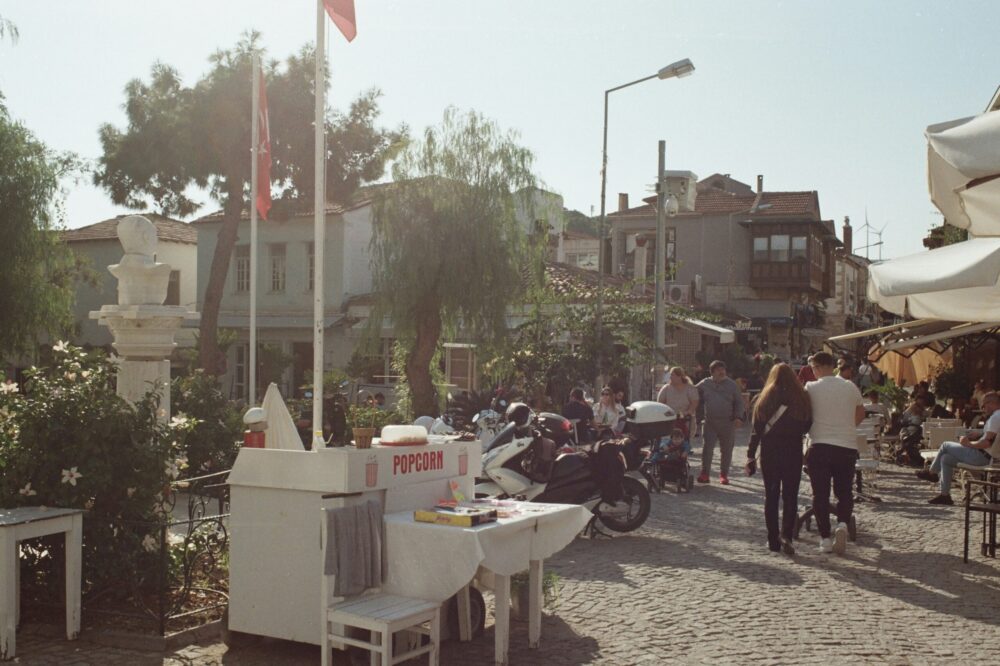
Photo by Deniz Demirci on Unsplash
Is it easy to get around Ankara using public transportation to visit these sites?
Yes, Ankara has a good public transport system including metro, buses, and dolmuş (shared taxis). Most attractions like Anıtkabir and the Museum of Anatolian Civilizations are accessible by metro. Consider getting an AnkaraKart for easy transfers.
I’m planning a two-day trip to Ankara. Can I see the main highlights in that time?
Absolutely! In two days you can comfortably visit Anıtkabir, Ankara Castle, the Museum of Anatolian Civilizations, and explore Hamamön. Just prioritize what interests you most and plan your route to minimize travel time.
Are there any good food recommendations near Ankara Castle?
Yes, the historic area around Ankara Castle has several traditional restaurants serving Ankara tava (lamb and rice dish) and other local specialties. For a quick bite, try the gözleme stalls in the castle neighborhood.
Is the Museum of Anatolian Civilizations suitable for children?
The museum is quite engaging for older children interested in history, but younger kids might find it less interactive. There are some impressive artifacts like giant Hittite sculptures that can capture their attention. Allow about 1-2 hours for a family visit.
What’s the best time of day to visit Anıtkabir to avoid crowds?
Early morning, right when it opens at 9:00 AM, is the best time. Weekdays are generally less crowded than weekends. Also, consider visiting during lunchtime when tour groups are often eating.
Is the Hamamön district worth visiting if I’m short on time?
If you enjoy restored Ottoman architecture and a pleasant atmosphere for a stroll, Hamamön is worth an hour or two. It’s not a major attraction but offers a nice break from museums. Plus, there are some cute cafes and shops.
Are there any free attractions in Ankara besides the castle?
Yes, many parks and public squares are free, such as Gençlik Parkı and Kuğulu Park. The Grand National Assembly museum is also free. Additionally, wandering through the historic Ulus district costs nothing and offers great photo opportunities.