
Table des matières:
Why France Remains a Top Destination for History Enthusiasts
France offers an unmatched depth of historical layers—from prehistoric caves and Roman amphitheaters to medieval fortresses and Renaissance châteaux. For history buffs planning a trip in 2026, choosing the right city can make the difference between a good vacation and an unforgettable journey through time. This guide explores the best cities that combine rich heritage, well-preserved sites, and immersive experiences.
Paris: The Timeless Epicenter of French History
No list of historical cities is complete without Paris. While often associated with romance and art, the French capital is a living museum of national history. Key sites include the Notre-Dame Cathedral (reopening in 2024 after restoration, fully accessible by 2026), the Conciergerie (where Marie Antoinette was imprisoned), and the Panthéon, housing the remains of Voltaire, Rousseau, and Victor Hugo. The Musée Carnavalet offers a deep dive into the city’s own evolution. For a focused historical tour, consider the Marais district, which escaped Haussmann’s renovations and retains medieval street patterns.
Must-See Historical Sites in Paris for 2026
- Notre-Dame Cathedral: Reopened and restored, with new visitor facilities.
- Sainte-Chapelle: Stunning 13th-century stained glass.
- Les Invalides: Napoleon’s tomb and the Army Museum.
- Catacombs of Paris: Underground ossuaries from the 18th century.
Lyon: Roman Ruins and Renaissance Splendor
Lyon boasts two UNESCO World Heritage sites: the Roman Theatre of Fourvière (with a dedicated museum) and the Renaissance Old Town (Vieux Lyon). The city’s unique history as a silk-weaving hub under the monarchy is preserved in the Traboules—hidden passageways used by silk workers. For 2026, Lyon is investing in augmented reality tours of its Roman sites, offering a new way to visualize ancient Lugdunum.
Historical Highlights in Lyon
- Lugdunum Museum: One of France’s best Roman archaeology museums.
- Basilica of Notre-Dame de Fourvière: Built in the 19th century but with panoramic views of the city.
- Vieux Lyon: Europe’s largest Renaissance quarter after Venice.
Avignon: The City of Popes
In the 14th century, Avignon became the seat of the Catholic papacy, leaving behind the Palais des Papes—the largest Gothic palace in Europe. The city’s ramparts, Petit Palais museum, and the famous Pont d’Avignon (Saint-Bénézet Bridge) complete the medieval picture. In 2026, expect new immersive exhibits inside the papal chambers. Avignon is also the gateway to the Pont du Gard Roman aqueduct, a 30-minute drive away.
Why Avignon Appeals to History Buffs
- Concentration of medieval papal history in a walkable city.
- Annual theater festival (July) often includes historical performances.
- Proximity to Roman and Provençal historical sites.
Carcassonne: The Ultimate Medieval Fortress
Carcassonne is a fairy-tale fortress that has been meticulously restored. Its double ramparts, 52 towers, and the Château Comtal transport visitors to the 13th century. While some critics argue the restoration by Viollet-le-Duc was overly idealized, it remains one of the best examples of medieval military architecture. For 2026, the site offers night tours with projection mapping, bringing the history of the Cathars and the Albigensian Crusade to life.
Tips for Visiting Carcassonne
- Visit early morning or late afternoon to avoid crowds.
- Combine with a trip to the Canal du Midi (UNESCO) for a full historical day.
- Explore the lower town (Bastide Saint-Louis) for a contrast between medieval and 18th-century planning.
Nîmes: The Roman World Outside Italy
Nîmes is home to the best-preserved Roman amphitheater in the world (still used for concerts and bullfights), the Maison Carrée (a near-intact Roman temple), and the Jardins de la Fontaine, built around Roman ruins. The city’s history extends to the 19th century when it became a center for denim (“de Nîmes”). In 2026, the newly renovated Musée de la Romanité offers a modern, interactive museum experience adjacent to the arena.
Roman Sites in Nîmes: A Comparison Table
| Site | Date | Highlights |
|---|---|---|
| Arènes de Nîmes | 1st century AD | Seats 24,000; gladiator reenactments |
| Maison Carrée | 1st century BC | One of the best-preserved Roman temples |
| Tour Magne | 1st century BC | Panoramic view from a Roman tower |
Bordeaux: From Roman Port to Enlightenment Capital
Bordeaux’s golden age was the 18th century, when its port flourished from trade (including wine and slaves). The city’s classical architecture—Place de la Bourse, Grand Théâtre, and the Palais Rohan—reflects its wealth. The Musée d’Aquitaine covers regional history from prehistory to modern times. For history buffs, the city also offers a Roman amphitheater (Palais Gallien) and a 19th-century wine museum (Cité du Vin) that explores the cultural history of viticulture.
Historical Walking Route in Bordeaux
- Start at Place de la Bourse and the Water Mirror.
- Walk to the Porte Cailhau (medieval gate).
- Visit the Musée d’Aquitaine (2 hours).
- Explore the Saint-Pierre district (medieval streets).
- End at the Palais Gallien Roman amphitheater.
Strasbourg: Crossroads of European History
Strasbourg’s history is defined by its position on the Rhine, shifting between French and German control. The Gothic Cathédrale Notre-Dame (with its famous astronomical clock), the medieval La Petite France quarter, and the Palais Rohan (housing three museums) are key attractions. The city also houses the European Parliament, adding a modern political layer. In 2026, the newly renovated Musée Historique offers an expanded collection on the city’s tumultuous past.
Unique Historical Experiences in Strasbourg
- Climb the cathedral platform for a view of the city and the Rhine.
- Visit the Alsatian Museum for folk history.
- Take a boat tour on the Ill River to see the city from water.
Chartres: The Cathedral City



Chartres is often overlooked, but its Gothic cathedral is a masterpiece of medieval architecture and stained glass. The city itself has a well-preserved old town with half-timbered houses, a medieval bishop’s garden, and the Maison Picassiette (a mosaic-covered house). For 2026, the cathedral’s restoration of its 12th-century stained glass windows will be complete, offering a rare opportunity to see them in pristine condition.
Why Chartres Deserves a Visit
- Cathedral is a UNESCO World Heritage site with the most complete set of medieval stained glass.
- Less crowded than Paris, ideal for contemplative visits.
- Easy day trip from Paris (1 hour by train).
Arles: Van Gogh’s Roman City
Arles offers a double attraction: Roman monuments (amphitheater, theater, and the Alyscamps necropolis) and the legacy of Vincent van Gogh, who painted over 300 works here. The city’s Roman history is intertwined with its Provençal charm. The Musée de l’Arles Antique is a modern museum with a superb collection of Roman sculpture and models. In 2026, the city will launch a new digital guide linking Van Gogh’s painting locations with the Roman backdrop.
Historical Sites in Arles: A Checklist
- Arènes d’Arles (Roman amphitheater)
- Théâtre Antique
- Les Alyscamps (Roman necropolis)
- Thermes de Constantin (Roman baths)
- Musée de l’Arles Antique
Toulouse: The Pink City’s Medieval Legacy
Toulouse’s brick architecture gives it a distinctive hue. The city was the capital of the Visigoths and later a center of the Cathar heresy. Key sites include the Basilica of Saint-Sernin (the largest Romanesque church in Europe), the Jacobins Convent, and the Capitole (city hall). The Musée Saint-Raymond houses an extensive collection of Roman sculpture from the region. In 2026, a new immersive exhibition on the Cathars will open at the Couvent des Jacobins.
Historical Highlights in Toulouse
- Basilica of Saint-Sernin: Romanesque architecture with a crypt of relics.
- Couvent des Jacobins: A masterpiece of Gothic brick architecture.
- Musée des Augustins: Fine arts museum with medieval sculpture.
Practical Checklist for Planning Your 2026 Historical Trip to France
- Book early: 2026 will see high demand, especially for Paris and Mont-Saint-Michel.
- Consider a rail pass: France’s TGV network connects most historical cities efficiently.
- Check for restoration closures: Some sites may be under renovation; verify before visiting.
- Learn basic French: While many sites offer English guides, locals appreciate efforts.
- Pack comfortable shoes: Most historical centers are pedestrian-only with cobblestones.
- Use museum passes: City passes (e.g., Paris Museum Pass, Lyon City Card) save money and time.
Frequently Asked Questions
Which French city has the most Roman ruins?
Nîmes and Arles rival each other. Nîmes has the best-preserved amphitheater and temple, while Arles offers a wider variety of Roman structures including a theater, necropolis, and baths.
What is the most historically significant city in France?
Paris holds the greatest concentration of national history, but for specific periods, Lyon (Roman), Avignon (medieval papal), and Versailles (monarchical) are equally significant.
Are there any new historical attractions opening in 2026?
Yes, several cities are launching new exhibits: Lyon’s augmented reality Roman tours, Avignon’s immersive papal chambers, and Toulouse’s Cathar exhibition. Notre-Dame’s full reopening will also be a major draw.
Which city is best for a short history-focused trip?
For a weekend, choose either Carcassonne (compact medieval fortress) or Chartres (cathedral and old town). Both are easily reachable from Paris and offer concentrated historical experiences.
How can I avoid tourist crowds at historical sites?
Visit early morning or late afternoon, especially at popular sites like Carcassonne and the Palais des Papes. Consider shoulder season (April-May or September-October) for smaller crowds and mild weather.
What historical city is best for families with children?
Nîmes and Carcassonne are excellent. Nîmes offers gladiator reenactments and interactive Roman sites, while Carcassonne’s fortress feels like a fairy tale. Both have dedicated children’s activities.
Final Thoughts on the Best Cities in France for History Buffs in 2026
Whether you’re drawn to Roman engineering, medieval faith, or Renaissance art, France’s cities offer a rich tapestry of history. The best cities in France for history buffs in 2026 combine well-preserved sites with modern enhancements like digital tours and new museums. Plan your itinerary based on the period that fascinates you most, and don’t hesitate to explore beyond the famous capitals. Each city on this list provides a unique window into the past, making 2026 an ideal year for a historical journey through France.
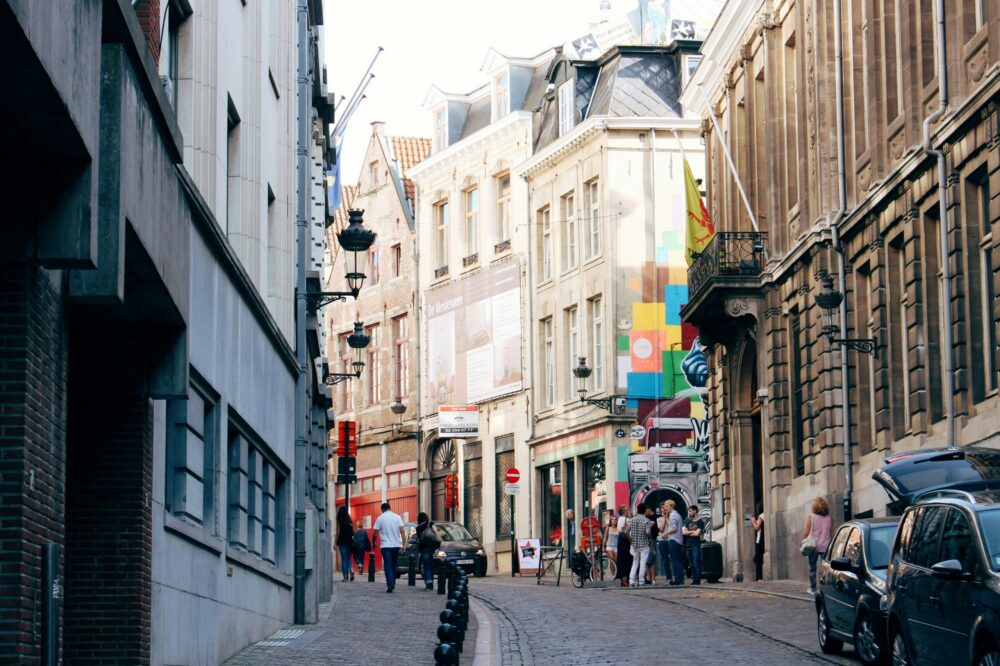
Photo by Lisa van Vliet on Unsplash
Great list! I’m planning a trip in 2026 and wondering if you have any tips for visiting the Catacombs in Paris? I’ve heard the lines can be very long.
Yes, the Catacombs are popular, so booking tickets online in advance is essential. In 2026, they may also offer timed-entry slots to reduce wait times. Consider visiting on a weekday morning for a quieter experience.
Lyon sounds amazing with the augmented reality tours. Will those be available in English?
Yes, the augmented reality tours at the Roman sites in Lyon are expected to have English options. Check the Lugdunum Museum’s website closer to your visit for specific language availability and booking details.
What about cities like Bordeaux or Marseille? They have history too, but they weren’t mentioned.
Absolutely, Bordeaux and Marseille are rich in history as well. Bordeaux offers great 18th-century architecture and the Cité du Vin, while Marseille has the ancient port and MuCEM. This guide focused on cities with particularly dense historical cores that are highly walkable for history buffs.
I’m curious about the reopening of Notre-Dame. Will it be fully accessible by 2026? I read there might be new exhibits.
Yes, by 2026 Notre-Dame should be fully open to visitors with new visitor facilities and exhibits. The restoration included modern amenities, so expect a more immersive experience. Check the official website for confirmed opening dates and any special exhibitions.
For someone who loves medieval history, which city would you recommend most between Carcassonne and Avignon?
Both are excellent. Carcassonne is the ultimate medieval fortress experience—very concentrated and fairy-tale like. Avignon offers medieval papal history plus Roman sites nearby. If you prefer a fortified castle town, go with Carcassonne; if you want a mix of medieval and Roman, choose Avignon.
Are there any good day trips from these cities for history buffs? For example, from Lyon or Avignon?
From Lyon, you can visit the Roman aqueduct of the Gier or Vienne with its Roman temple. From Avignon, the Pont du Gard aqueduct is a must, and the Roman city of Orange with its ancient theatre is also close. Many tour operators offer half-day trips.
This is a helpful guide! I’m thinking of combining Paris and Lyon in one trip. How many days would you suggest for each?
For history buffs, I’d suggest at least 4 days in Paris to cover the major sites without rushing, and 2-3 days in Lyon to explore the Roman ruins and Renaissance quarter. You could also add a day trip from Lyon to nearby historical towns. High-speed trains make the connection easy.