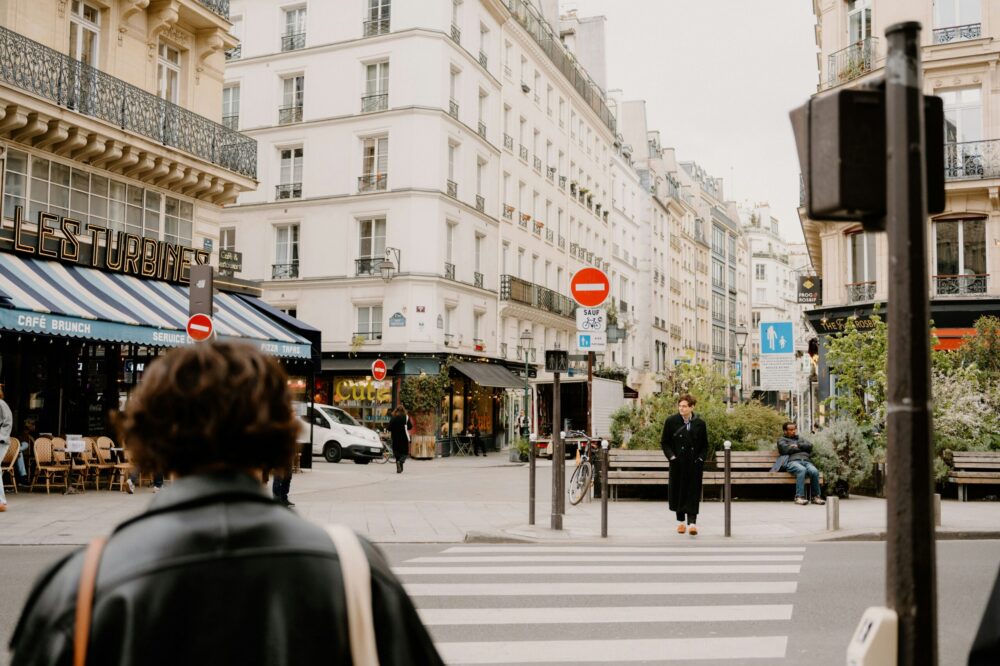
Paris has long been synonymous with café culture, but the city’s coffee scene has undergone a quiet revolution. In 2026, the question isn’t just where to get a good espresso, but where to find a truly organic cup. Whether you’re a local, a digital nomad, or a tourist seeking an authentic yet sustainable experience, knowing which cafés in Paris offer organic coffee in 2026 can transform your daily ritual. This guide cuts through the hype to deliver practical, up-to-date recommendations.
Table des matières:
Why Organic Coffee Matters in Paris
Organic certification in France is regulated by strict EU standards. For coffee, this means no synthetic pesticides, herbicides, or chemical fertilizers. But beyond health, organic coffee supports biodiversity and often goes hand in hand with fair trade practices. In a city where every arrondissement boasts a unique café, the organic movement has taken root—literally. Today, many Parisian cafés source directly from small producers, roast locally, and prioritize transparency.
However, not every café that claims to be organic is certified. Some use the term loosely. In 2026, the most reliable places display labels like Agriculture Biologique (AB) or EU Organic. Others partner with roasters who are fully organic, even if the café itself isn’t certified. This guide focuses on cafés where you can be confident that your coffee is organic, whether through certification or direct sourcing.
Top Cafés in Paris for Organic Coffee in 2026
1. Coutume Café – The Pioneer of Specialty Organic
Located in the 7th arrondissement, Coutume Café has been a trailblazer since 2010. Their house blend is 100% organic and roasted in their own micro-roastery. In 2026, they continue to offer single-origin organic options that rotate seasonally. The minimalist interior and knowledgeable baristas make it a must-visit for purists.
- Address: 47 Rue de Babylone, 75007
- Organic certification: EU Organic and AB
- Must-try: Organic pour-over from Ethiopia
2. Ten Belles – Organic and Community-Focused
In the 10th arrondissement, Ten Belles is a small but mighty café that has championed organic coffee since day one. They work exclusively with roasters who source organic beans, such as Belleville Brûlerie. Their espresso is bold, and their pastries are often organic too. The canal-side location adds to the charm.
- Address: 10 Rue de la Grange aux Belles, 75010
- Organic certification: Roaster certification; café is organic-focused
- Must-try: Organic flat white
3. Loustic – Cozy and Certified Organic
Loustic in the 3rd arrondissement is a cozy haven with a rustic aesthetic. Their coffee is certified organic by Ecocert, and they feature a rotating selection of single origins. In 2026, they’ve expanded their menu to include organic matcha and chai. The homemade cakes are a bonus.
- Address: 40 Rue Chapon, 75003
- Organic certification: Ecocert
- Must-try: Organic cappuccino with oat milk
4. KB CaféShop – Roastery and Organic Excellence
KB CaféShop in the 9th arrondissement is both a café and a roastery. Their beans are 100% organic and sourced from small farms. They offer a subscription service for home delivery. The industrial-chic space is perfect for working or catching up with friends.
- Address: 53 Avenue Trudaine, 75009
- Organic certification: AB and EU Organic
- Must-try: Organic espresso tonic
5. Fragments – Organic and Artistic
Fragments in the Marais (3rd arrondissement) is known for its artistic vibe and high-quality organic coffee. They use beans from L’Alchimiste, a roaster that prioritizes organic sourcing. The café also hosts art exhibitions, making it a cultural spot.
- Address: 76 Rue des Tournelles, 75003
- Organic certification: Roaster is organic; café is not certified but uses only organic beans
- Must-try: Organic latte with honey
What to Look for When Choosing an Organic Café
Not all organic coffee is created equal. Here’s a quick checklist to ensure you’re getting the real deal:
- Check for labels: Look for AB (Agriculture Biologique), EU Organic, or Ecocert logos.
- Ask about sourcing: Baristas should be able to tell you where the beans come from and if they’re certified.
- Roaster reputation: Roasters like Belleville Brûlerie, L’Arbre à Café, and Café Lomi offer organic lines.
- Seasonal menus: Organic coffee often changes with harvests; a rotating menu is a good sign.
- Transparency: Cafés that share their supply chain details are more trustworthy.
Organic Coffee vs. Conventional: What’s the Difference?
Conventional coffee is one of the most heavily sprayed crops. Organic coffee, by contrast, is grown without synthetic chemicals, which benefits both your health and the environment. In Paris, organic coffee often costs €1-2 more per cup, but many regulars consider it worth the premium for the taste and ethics.
| Aspect | Organic Coffee | Conventional Coffee |
|---|---|---|
| Pesticides | None | Often present |
| Soil health | Improved | Degraded over time |
| Price per cup (approx.) | €4-6 | €3-4 |
| Certification | AB, EU Organic, etc. | None required |
| Flavor profile | Often brighter, more complex | Can be more uniform |
Common Mistakes to Avoid When Ordering Organic Coffee in Paris
Even seasoned café-goers can slip up. Here are pitfalls to sidestep:


- Assuming all specialty coffee is organic: Many specialty roasters use conventional beans. Always verify.
- Ignoring milk quality: If you order a latte, ask if the milk is organic too. Some cafés offer organic oat or almond milk.
- Not checking the roast date: Freshness matters. Organic coffee should be used within 2-4 weeks of roasting.
- Overlooking the cup: Even organic coffee can taste bad if brewed poorly. Stick to cafés with trained baristas.
How to Find Organic Coffee Beyond the List
Paris has over 50 cafés that offer organic coffee in some form. To discover more:
- Use apps: Apps like Orge & Co. or HappyCow filter by organic options.
- Follow roasters: Roasters like Café Lomi and Belleville Brûlerie list partner cafés on their websites.
- Visit farmers’ markets: Some markets have coffee stalls that sell organic beans and serve cups.
- Ask locals: Parisians are proud of their organic scene; don’t hesitate to ask for recommendations.
What About Organic Coffee Certification in 2026?
French organic regulations are among the strictest in the world. In 2026, the AB label is still the gold standard. However, some small roasters opt for alternative certifications like Demeter (biodynamic) or Rainforest Alliance (not fully organic but sustainable). For true organic, stick with AB or EU Organic. Also, note that a café can serve organic coffee without being certified itself—the certification applies to the beans, not the establishment.
Is Organic Coffee Always Fair Trade?
Not necessarily. While many organic coffees are also fair trade, the two are separate certifications. In Paris, many organic-focused cafés also prioritize direct trade, which often pays farmers above fair trade prices. Look for terms like “direct trade” or “fair trade” on menus or ask your barista.
Frequently Asked Questions
1. Are all organic coffee shops in Paris equally expensive?
Prices vary. A simple espresso might cost €3.50 at a basic café, while a specialty organic latte can reach €6. However, the price often reflects the quality and sourcing. Mid-range options exist, like Ten Belles, where a flat white is around €4.50.
2. Can I find organic coffee in every arrondissement?
Organic coffee is concentrated in central arrondissements (1-11), but outer areas like the 14th and 20th have emerging spots. Use online maps to find options near you.
3. Do these cafés offer plant-based milk alternatives?
Yes, most organic cafés in Paris offer oat, soy, or almond milk. Some, like Loustic, even have organic oat milk.
4. Is organic coffee better for the environment?
Yes, organic farming reduces chemical runoff, improves soil health, and supports biodiversity. However, transportation still has a carbon footprint. Many Parisian roasters offset this by using renewable energy or carbon-neutral shipping.
5. Can I buy organic coffee beans to brew at home in Paris?
Absolutely. Roasters like KB CaféShop and Coutume sell organic beans in-store and online. Prices range from €12-20 for 250g.
6. What if I’m gluten-free or have dietary restrictions?
Many organic cafés also cater to dietary needs. Fragments offers gluten-free pastries, and Loustic has vegan options. Always check the menu or ask.
Final Thoughts for 2026
Finding which cafés in Paris offer organic coffee in 2026 is easier than ever, thanks to a growing network of passionate roasters and café owners. Whether you’re after a quick espresso or a leisurely pour-over, the city’s organic scene is rich and diverse. Use this guide as a starting point, but don’t be afraid to explore—every arrondissement has a hidden gem waiting to be discovered. Your perfect organic cup is just around the corner.
Photo by Annie Spratt on Unsplash