
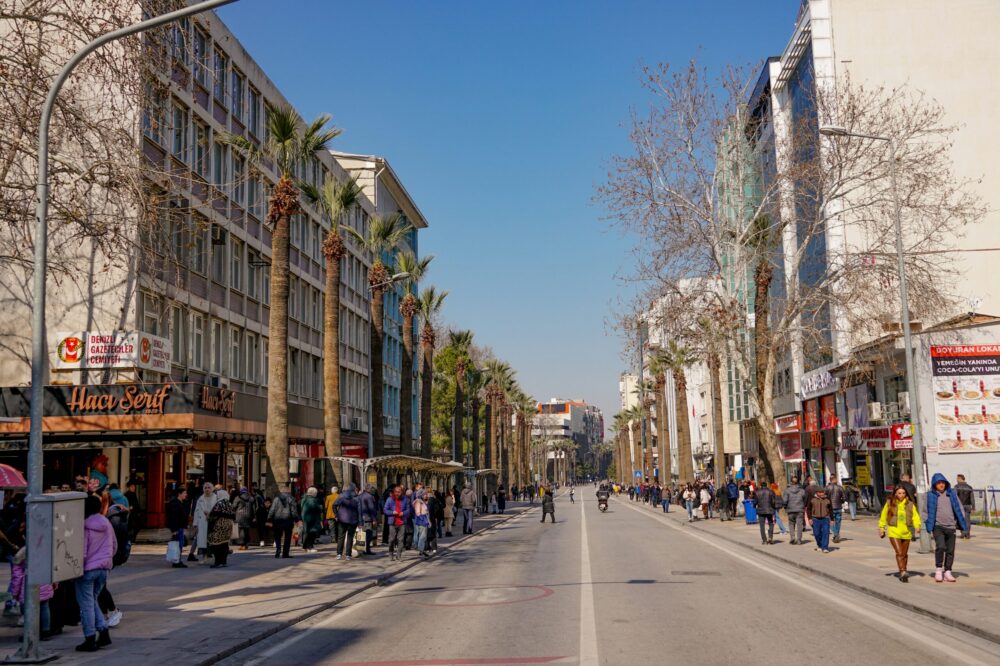
Konya, the city of Rumi and the Whirling Dervishes, often sparks curiosity among travelers planning a trip to Turkey. But is Konya worth visiting in 2026? The short answer: absolutely—if you’re seeking authentic culture, history, and spirituality. This guide unpacks everything you need to know, from top attractions to practical logistics, so you can decide if this Anatolian gem deserves a spot on your itinerary.
Table des matières:
Why Konya Deserves a Spot on Your 2026 Turkey Itinerary
Konya is not just another Turkish city. It’s the heart of Sufism, home to the Mevlana Museum, and a place where tradition meets daily life. Unlike the coastal resorts, Konya offers a raw, unfiltered glimpse into Turkey’s soul. In 2026, with improved flight connections and renewed global interest in spiritual travel, Konya is more accessible than ever.
What Makes Konya Unique?
- Mevlana Museum – The resting place of Rumi, the 13th-century poet and mystic. The museum’s turquoise dome is iconic, and its interior houses sacred relics and manuscripts.
- Whirling Dervishes Ceremony – A mesmerizing Sema ritual that is both a performance and a spiritual practice. You can attend weekly shows at the Mevlana Cultural Center.
- Seljuk Architecture – Konya was the capital of the Seljuk Sultanate of Rum, and its mosques, madrasas, and caravanserais reflect this golden age.
- Authentic Local Life – Fewer tourists mean you’ll experience genuine Turkish hospitality, from bustling bazaars to family-run restaurants.
Top Attractions in Konya: What to See and Do
Mevlana Museum and Complex
The Mevlana Museum is the undisputed highlight. The green dome (Kubbe-i Hadra) marks the tomb of Rumi and his son Sultan Veled. Inside, you’ll find a peaceful atmosphere, exquisite calligraphy, and artifacts like Rumi’s robes and prayer beads. Allow at least 1.5 hours. Entrance fee: about 50 TL (check 2026 prices).
Whirling Dervish Performance
Attending a Sema ceremony is transformative. The Mevlana Cultural Center hosts free shows every Saturday evening. Arrive early to secure a seat. The dervishes, clad in white robes, spin in a meditative trance, representing a mystical journey to divine love.
Seljuk Heritage Sites
- Alaeddin Hill and Mosque – A park atop a hill with ruins of the Seljuk palace and the Alaeddin Mosque, one of the oldest in Konya.
- Ince Minaret Medrese – A 13th-century theological school with an intricately carved stone portal. Now a museum of wood and stone artifacts.
- Karatay Medrese – Famous for its stunning blue tiles, now a ceramic museum.
- Sahip Ata Complex – A mosque, tomb, and hamam showcasing Seljuk decorative arts.
Museums and Modern Konya
For a deeper dive, visit the Konya Archaeological Museum (artifacts from Çatalhöyük) and the Koyunoğlu Museum (ethnography). Don’t miss the Çatalhöyük Neolithic site, a 40-minute drive south—a UNESCO World Heritage site dating back 9,000 years.
Practical Tips for Visiting Konya in 2026
Best Time to Visit
Spring (April-May) and autumn (September-October) offer mild weather and fewer crowds. December is special for the Mevlana Festival (7-17 December), commemorating Rumi’s death. However, accommodation fills up fast. Summers are hot (30-35°C) but still manageable.
How to Get to Konya
- By air – Konya Airport (KYA) has direct flights from Istanbul (1.5 hours) and other major cities. Turkish Airlines and Pegasus operate daily.
- By train – The YHT high-speed train from Istanbul (via Ankara) takes about 4.5 hours. Comfortable and scenic.
- By bus – Intercity buses from Istanbul (10 hours), Ankara (3 hours), or Antalya (4 hours) are reliable and cheap.
Getting Around
The city center is walkable. Use the tram for longer distances (single ride ~5 TL). Taxis are affordable but ensure the meter is on. For Çatalhöyük, rent a car or join a tour.
Where to Stay
Budget: Hich Hotel (boutique, near Mevlana). Mid-range: Rumi Hotel (traditional decor). Luxury: Dedeman Konya (modern, with spa). Book early for December.
Sample 2-Day Konya Itinerary
| Day | Morning | Afternoon | Evening |
|---|---|---|---|
| 1 | Mevlana Museum | Alaeddin Hill & Mosque | Whirling Dervish show |
| 2 | Çatalhöyük | Karatay & Ince Minaret | Bazaar & local dinner |
Is Konya Safe for Tourists?
Yes. Konya is a conservative but very safe city. Petty crime is rare. Dress modestly (cover shoulders and knees when entering mosques). Respect local customs, especially during Ramadan. Women traveling solo will find it safe, though extra caution at night is advisable.
Common Mistakes to Avoid
- Skipping the Sema ceremony – It’s not just a tourist show; it’s a profound cultural experience.
- Rushing through Mevlana Museum – Take time to absorb the atmosphere.
- Ignoring local food – Try etli ekmek (meat flatbread), bamya (okra stew), and tirit (bread with broth).
- Forgetting to bargain – In the bazaar, haggling is expected.
Who Should Visit Konya?
Konya is ideal for history buffs, spiritual seekers, and travelers wanting an authentic Turkish experience. If you prefer beach resorts or nightlife, Konya may feel too quiet. But for those intrigued by Rumi’s poetry, Seljuk architecture, and Anatolian culture, Konya is a must.
Frequently Asked Questions
Is Konya worth visiting for a day trip?
Yes, if you’re coming from nearby cities like Ankara or Cappadocia. However, a single day feels rushed. Overnight stays allow you to attend the Whirling Dervish ceremony and explore at a relaxed pace.
How many days do I need in Konya?
Two days is ideal: one for the city center and Mevlana, another for Çatalhöyük and Seljuk sites. One day is enough for a quick overview.
What is the dress code for the Mevlana Museum?
Modest attire covering shoulders and knees. Women should carry a scarf to cover their head inside the tomb. Shoes must be removed.
Can I take photos inside the Mevlana Museum?
Photography is allowed in most areas, but no flash near the tomb. Respect the silence and avoid selfie sticks.
Is Konya expensive?
No. Konya is more affordable than Istanbul or coastal resorts. Meals cost around 100-200 TL, and mid-range hotels start at 800 TL per night (2024 prices; expect slight inflation in 2026).
What is the best way to get from Istanbul to Konya?
The YHT high-speed train via Ankara is scenic and efficient (total ~5 hours). Flights are faster but require airport transfers. Buses are cheaper but longer.
In 2026, Konya remains a compelling destination for those seeking depth over superficial travel. Whether you’re drawn by Rumi’s timeless wisdom or the echoes of Seljuk glory, Konya offers a journey that lingers long after you leave. So, is Konya worth visiting in 2026? If you value authenticity, spirituality, and history, the answer is a resounding yes.
Photo by Sevil Mert on Unsplash
I’m planning a trip to Turkey in 2026 and Konya sounds intriguing, but I’m worried it might be too religious for a secular traveler. Is it still worth visiting if I’m not particularly spiritual?
Absolutely! While Konya is the spiritual heart of Turkey, you don’t need to be religious to appreciate its history and culture. The Mevlana Museum is a fascinating historical site, and the Seljuk architecture is stunning. Plus, the city offers a genuine glimpse into traditional Turkish life away from tourist crowds.
How easy is it to get to Konya from Istanbul? Are there direct flights or should I take a bus?
Both options are convenient. In 2026, Turkish Airlines and Pegasus offer multiple daily direct flights from Istanbul to Konya (about 1 hour 15 minutes). Alternatively, buses from Istanbul take around 10-11 hours and are comfortable with frequent services. High-speed train connections are also expanding, but flights are quickest.
Great article! I’m especially interested in the Whirling Dervish ceremony. Is it free every Saturday, or do I need to book in advance?
The Sema ceremony at the Mevlana Cultural Center is indeed free every Saturday evening, but it’s first-come, first-served. Arrive at least 30 minutes early to get a good seat. During peak seasons, it can fill up quickly. There are also paid performances at some hotels if you miss the free one.
I’ve read that Konya is quite conservative. As a solo female traveler, should I be concerned about dress codes or safety?
Konya is safe for solo female travelers, but it is more conservative than coastal cities. It’s respectful to dress modestly, especially when visiting mosques or the Mevlana Museum—covering shoulders and knees is advisable. You’ll still see locals in modern attire, but blending in can help you avoid unwanted attention. Overall, just use common sense as you would anywhere.