
Table des matières:
Why Crowds in Paris Are Getting Worse—and How to Beat Them
Paris welcomed nearly 40 million visitors in 2024, and numbers are projected to rise through 2026. The city’s charm can quickly turn into a battle for space at the Louvre, Eiffel Tower, and Montmartre. But with smart planning, you can experience the magic of Paris without the jostling. This guide covers proven tactics to avoid crowds in Paris in 2026, from timing your trip to exploring lesser-known districts.
Choose the Right Time of Year
Shoulder Seasons: Your Best Bet
The most effective way to avoid crowds in Paris in 2026 is to travel during shoulder seasons—April to early June and September to October. Weather remains pleasant, but tourist numbers drop significantly compared to summer. Avoid July and August when school holidays bring families worldwide, and the city feels packed.
Winter: Quiet but Chilly
January and February see the fewest tourists. While cold, you’ll enjoy shorter lines at museums and lower hotel rates. The exception is Christmas week, which draws crowds for markets and lights.
| Period | Crowd Level | Pros | Cons |
|---|---|---|---|
| April–June | Moderate | Mild weather, blooming gardens | Occasional rain |
| July–August | High | Festivals, long days | Heat, queues, high prices |
| September–October | Low-Moderate | Harvest season, fewer tourists | Shorter days |
| November–March (excl. holidays) | Low | Cheap flights, quiet museums | Cold, some attractions closed |
Best Days and Times to Visit Attractions
Weekdays vs. Weekends
Tuesday, Wednesday, and Thursday are the quietest days. Mondays many museums are closed, and weekends attract locals and day-trippers. For the Eiffel Tower, book a time slot early morning (9:00 AM) or late evening (after 7:00 PM) to avoid midday rush.
Louvre: Go Late or Go Early
The Louvre is most crowded between 10 AM and 3 PM. Visit on Wednesday or Friday evening when it’s open until 9:45 PM—the galleries are surprisingly quiet after 6 PM. Alternatively, arrive right at opening (9 AM) on a Wednesday.
Musée d’Orsay: Afternoon Sweet Spot
This museum sees a surge from 10 AM to noon. Aim for 2 PM onwards, especially on Thursdays when it stays open late.
Use Skip-the-Line Tickets and Guided Tours
Pre-booked tickets are essential to avoid crowds in Paris in 2026. For the Eiffel Tower, book summit access weeks ahead. The Paris Museum Pass gives priority entry to over 60 museums. Guided tours often have separate entrances, saving you up to two hours of waiting.
Mistake to Avoid: Buying Tickets at the Venue
Never queue at the ticket booth for major attractions. Always purchase online in advance. Even with a pass, some venues require a reserved time slot—check before you go.
Explore Alternative Neighborhoods
Instead of Montmartre (overrun with souvenir shops), head to Belleville for street art and authentic bakeries. Replace the Latin Quarter with Le Marais—crowded but less so, with hidden courtyards. Canal Saint-Martin offers a relaxed vibe without the tourist hordes.
Hidden Gem: Parc des Buttes-Chaumont
This park in the 19th arrondissement has a lake, a suspension bridge, and far fewer visitors than Luxembourg Gardens. Perfect for a peaceful afternoon.
Plan Your Transport Wisely
The Metro can be packed, especially at rush hour (8-9 AM and 6-7 PM). Walk or use bikes (Vélib’ or Lime scooters) for short distances. For longer trips, the RER is less crowded than Metro lines 1 and 4. Avoid the 1st line between 5-7 PM near major stations.
Pro Tip: Use Bus 69
This bus route runs from the Eiffel Tower to Père Lachaise Cemetery, passing many landmarks with a guaranteed seat—much more comfortable than the Metro.
Dine at Off-Peak Hours
Restaurants near attractions are busiest from 12:30-1:30 PM and 7:30-9 PM. Eat at 11:30 AM or 2 PM for lunch, and 6:30 PM or after 9:30 PM for dinner. Book reservations for popular spots a week in advance.
Visit Lesser-Known Museums
Instead of the Louvre, consider Musée Rodin (beautiful garden), Musée de l’Orangerie (Monet’s Water Lilies, smaller crowds), or Musée Carnavalet (history of Paris, free). These provide rich experiences without the queues.
Use Technology to Your Advantage
Apps like Paris Tourist Guide and Citymapper show real-time crowd data. Google Maps’ popular times feature helps you decide when to visit a venue. Follow social media accounts of attractions for last-minute updates on closures or quiet periods.
Seasonal Events: Avoid or Embrace?
Major events like Nuit des Musées (May), Fête de la Musique (June), and Paris Fashion Week (September) draw huge crowds. If you want to avoid crowds, skip these. However, if you attend, plan for extra patience. Conversely, events like the Paris Marathon (April) can make roads busy but attractions quieter.
Where to Stay to Minimize Crowds
Choose accommodations in the 10th, 11th, or 19th arrondissements. These areas are less touristy but well-connected by Metro. You’ll start your day away from the main crowds and can walk to quieter cafes. Avoid the 1st-8th arrondissements if you want peace.
What to Avoid: Top Crowd Mistakes
- Visiting the Eiffel Tower at sunset – The most crowded time; go at sunrise instead.
- Taking the Metro during rush hour – Wait 30 minutes or walk.
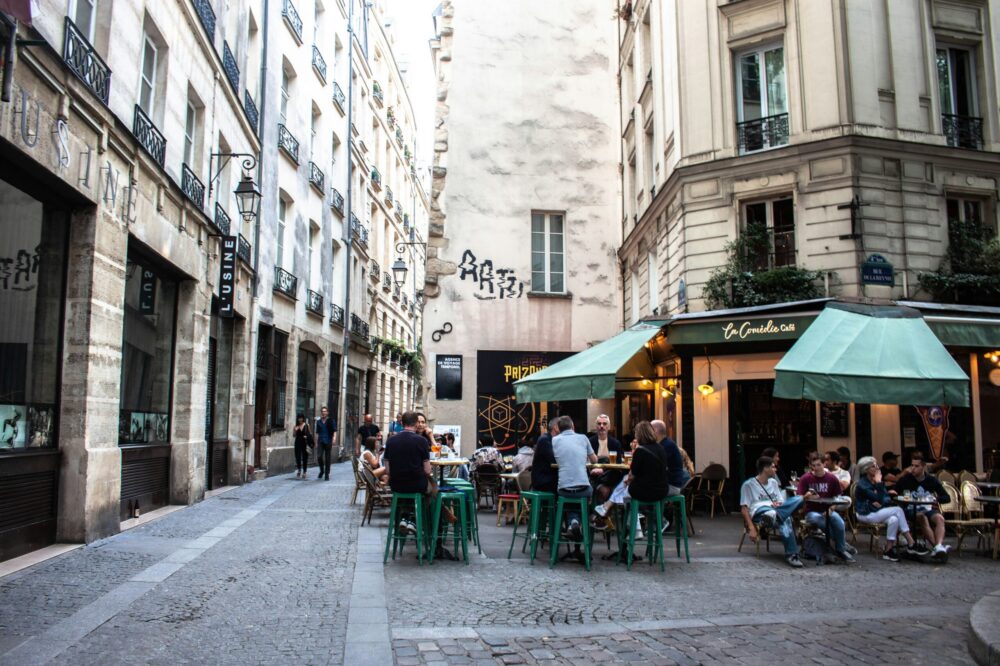
- Eating at rue de la Huchette – Overpriced and packed; try rue Montorgueil.
- Buying tickets on the day – Always pre-book.
- Staying in the 1st arrondissement – You’ll be in the thick of it.
Frequently Asked Questions
What is the least crowded month to visit Paris?
January, February, and November (excluding holidays) see the fewest tourists. Expect cold weather but empty museums.
How can I avoid lines at the Louvre?
Visit on Wednesday or Friday evening after 6 PM, or arrive at 9 AM on a weekday. Use the Porte des Lions entrance (less known).
Is Paris still enjoyable with crowds?
Yes, if you plan ahead. Use our tips to find quiet moments, and remember that even crowded Paris has peaceful corners.
What are the best free activities to avoid crowds?
Walk along the Canal Saint-Martin, explore the Promenade Plantée (elevated park), or visit the free museums on the first Sunday of the month (but arrive early).
How early should I book tickets for 2026?
For popular attractions like the Eiffel Tower and Louvre, book at least 2-3 weeks in advance. For special exhibitions, book as soon as dates are released.
Are there any hidden gems that are always quiet?
Yes: Musée de la Chasse et de la Nature, the Petite Ceinture (abandoned railway turned green walk), and the Jardin des Plantes (especially the alpine garden).
Final Thoughts: Your Peaceful Paris in 2026
Avoiding crowds in Paris in 2026 requires strategic planning, but the reward is immense—you’ll experience the city’s romance without the stress. Use this guide to choose the right season, time your visits, explore alternative neighborhoods, and leverage technology. Paris is a city of layers; the quieter ones are often the most beautiful. Book early, stay flexible, and enjoy your journey through a less crowded City of Light.
Photo by Shvets Anna on Pexels
Great tips! For the Louvre, you mentioned Wednesday and Friday late openings. Are those evenings also less crowded for the permanent collections, or just for temporary exhibitions?
Both! The permanent collections are significantly quieter after 6 PM on late nights—many visitors head to temporary shows, leaving the main galleries peaceful. Just note that some sections may close earlier, so check the museum map when you arrive.