
Table des matières:
Your First Ride on the Paris Metro in 2026
You step out of Gare du Nord, ready to explore Paris, but the Metro entrance looks like a maze. Don’t worry—by the end of this guide, you’ll navigate the Paris Metro in 2026 like a seasoned traveler. Whether you’re heading to the Eiffel Tower or Montmartre, this article covers everything: tickets, routes, apps, and pro tips.
Understanding the Paris Metro Network in 2026
The Paris Metro (officially Métropolitain) is operated by RATP and includes 16 lines (1–14 plus 3bis and 7bis) covering over 200 km. In 2026, the network is fully integrated with RER commuter trains, trams, and buses. Key updates include automated announcements in English, contactless payment expansion, and new stations on Line 11 and Line 14 extensions.
Lines, Colors, and Direction
Each line is numbered and color-coded. For example, Line 1 is yellow, Line 4 is purple. Trains run from approximately 5:30 AM to 1:15 AM (later on weekends). Direction is indicated by the terminus station name—always check the final stop on your route.
How to Buy Tickets for the Paris Metro in 2026
In 2026, the classic paper ticket is gone. You have three main options:
- Navigo Easy Pass: A rechargeable contactless card (€2 for the card). Load single tickets (€2.15 each) or 10-ticket carnets (€17.35). Valid on Metro, bus, tram, and RER within Paris.
- Navigo Découverte: Weekly or monthly pass for unlimited travel in zones 1–5. Great for longer stays. Requires a photo and costs €5 for the card.
- Contactless Payment (CB): Tap your credit card or smartphone at the gate. Each tap is a single ticket (€2.15). No need to buy a separate card.
Which Ticket Is Best for Tourists?
For a 2–3 day trip, use a Navigo Easy with a carnet of 10 tickets. For 4+ days, consider a Navigo Découverte weekly pass (€30 for zones 1–5). Avoid single tickets for every ride—they add up.
Step-by-Step: Using the Metro in 2026
Follow these steps for a smooth journey:
- Plan your route using an app like Citymapper or Google Maps (see below).
- Tap in at the turnstile with your Navigo card, phone, or credit card. Wait for the green light.
- Find your platform following signs for the line number and direction (terminus).
- Board the train and hold onto a strap—doors close quickly.
- Listen for announcements or watch the digital map for your stop.
- Tap out only if transferring to RER or exiting at a station with gates (most Metro exits are open).
Essential Apps and Digital Tools for 2026
Your smartphone is your best travel companion. These apps are essential:
| App | Best For | Notes |
|---|---|---|
| Citymapper | Real-time routes, disruptions | Shows nearest exit and carriage for easy transfers |
| Google Maps | General navigation | Includes Metro, bus, walking times |
| RATP (Bonjour RATP) | Official schedules, tickets | Can buy Navigo passes digitally |
| Île-de-France Mobilités | Network maps, fares | Official source for updates |
Navigating Stations and Transfers
Major hubs like Châtelet–Les Halles, Gare de Lyon, and Montparnasse are sprawling. Follow correspondance (transfer) signs—they show line numbers and directions. In 2026, many stations have digital boards with real-time waiting times. Tip: Avoid changing trains at Châtelet during rush hour if you can.
Common Transfer Points
- Châtelet–Les Halles: Lines 1, 4, 7, 11, 14 + RER A, B, D
- Gare de Lyon: Lines 1, 14 + RER A, D
- Montparnasse: Lines 4, 6, 12, 13
Paris Metro Etiquette and Tips
Riding the Metro in 2026 means being mindful of local customs:
- Let passengers exit first before boarding.
- Keep your backpack off or hold it in front to save space.
- Validate your ticket before boarding (for RER) or you risk a fine (€50+).
- Don’t block doors—move inside the car.
- Mind the gap at curved stations like Abbesses.
Common Mistakes to Avoid
Even experienced travelers slip up. Here’s what to watch for:
- Buying single tickets each time – Use a carnet or contactless.
- Forgetting to tap out at RER stations – This can lock your card.
- Ignoring line closures – Check for maintenance (often in August).
- Using the wrong ticket for zones – A Paris-only ticket won’t work for Versailles.
How to Use the Metro to Reach Major Attractions
Here’s a quick reference for popular destinations:
| Attraction | Nearest Metro Station | Line(s) |
|---|---|---|
| Eiffel Tower | Bir-Hakeim | Line 6 |
| Louvre Museum | Palais Royal – Musée du Louvre | Lines 1, 7 |
| Sacré-Cœur | Anvers | Line 2 |
| Notre-Dame | Cité | Line 4 |
| Versailles Palace | Versailles – Rive Gauche | RER C |
Accessibility and Special Services in 2026
Many stations have elevators and ramps, but not all. Lines 1 and 14 are fully accessible. RATP offers a free Accès Plus service for travelers with reduced mobility—book 48 hours ahead. For families, strollers are allowed but avoid rush hours.
Safety and Security on the Metro
Paris Metro is generally safe, but stay alert:
- Keep valuables in zipped pockets or a cross-body bag.
- Avoid empty carriages late at night.
- Be aware of pickpockets in crowded stations like Châtelet.
- Use well-lit exits after dark.
Frequently Asked Questions
Can I use my credit card directly on the Metro in 2026?
Yes, contactless Visa, Mastercard, and Apple Pay/Google Pay work at all turnstiles. Each tap costs €2.15, same as a single ticket.
Is the Paris Metro safe at night?
Generally yes, but stick to busy lines and stations. Avoid Line 2 and Line 13 late at night if possible. Stay in well-lit areas and keep your phone away.
How do I get from CDG Airport to central Paris by Metro?
Take RER B from Terminal 2 or 3. It runs every 10–15 minutes to Gare du Nord (€11.45 in 2026). Alternatively, use the Roissybus.
What’s the difference between Metro and RER?
Metro operates within Paris city limits (zone 1). RER is a suburban train that goes farther (e.g., Versailles, Disneyland). Both use the same tickets within Paris, but RER requires a ticket valid for the correct zones.
Can I bring luggage on the Metro?
Yes, but avoid rush hours (8–10 AM, 5–7 PM). Use lines with more space (Line 1, 14) if possible. No oversized luggage on RER B to CDG.
Do I need to validate my ticket before boarding?
For Metro, validation happens at the turnstile. For RER, you must validate at the entrance and exit gates. Failure to validate can result in a fine.
Final Tips for Mastering the Paris Metro in 2026
With this guide, you’re ready to use the Paris Metro in 2026 with confidence. Remember to download Citymapper, buy a Navigo Easy for short stays, and always check for closures. The Metro is the fastest way to see Paris—just avoid the 8 AM crush. Now tap in and enjoy the City of Light!
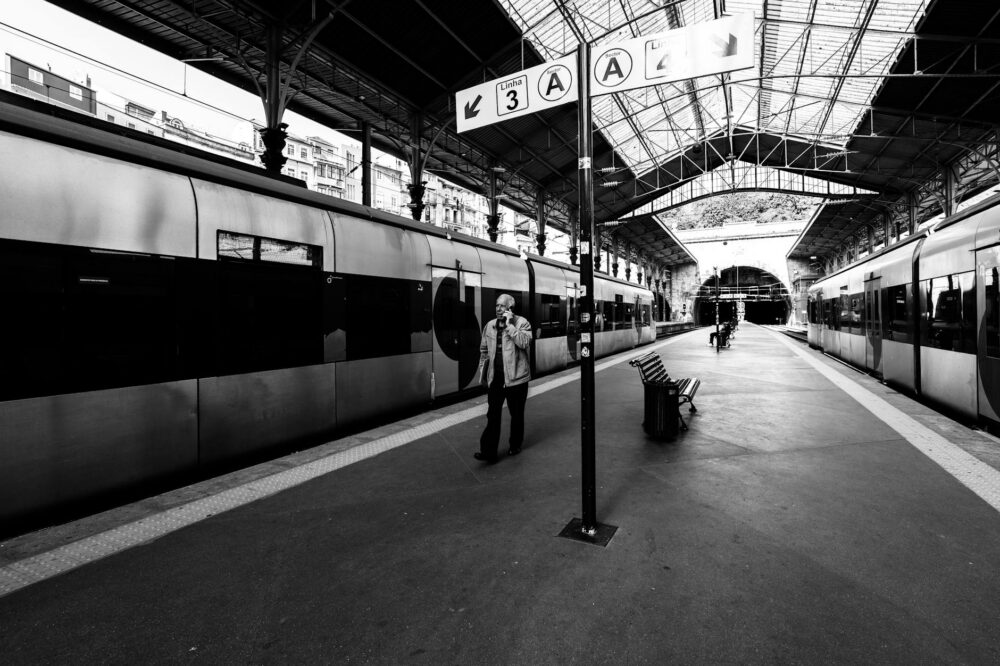
Photo by Uiliam Nörnberg on Pexels




Great guide! One thing I’m wondering: if I use my credit card to tap in, do I need to tap out when I exit the Metro? I’ve heard some systems require it.
Good question! On the Paris Metro itself, you only need to tap in at the turnstile. Most Metro exits are open gates, so no tap-out is required. However, if you transfer to the RER or exit at certain stations with gates (like Châtelet–Les Halles), you’ll need to tap out to exit. For simplicity, using a Navigo Easy or contactless card works the same way.