
Table des matières:
Paris in 2026: A Direct Answer
Yes, Paris is still absolutely worth visiting in 2026. Despite ongoing debates about overtourism, rising costs, and occasional disruptions, the City of Light continues to evolve and captivate. In 2026, visitors will find a cleaner, more sustainable Paris with enhanced infrastructure, new cultural offerings, and a renewed focus on authentic experiences. This guide cuts through the noise to give you a practical, honest assessment of what to expect.
What Has Changed in Paris Since 2024?
Paris has undergone significant transformations in recent years, and 2026 is no exception. Here are the key changes that affect your visit:
- 2024 Olympics Legacy: The city invested heavily in public transport, green spaces, and river clean-up. The Seine is swimmable for the first time in a century, and new cycling lanes make exploration easier.
- Pedestrianization: Major areas like the Champs-Élysées and the Marais have become car-free zones, reducing noise and pollution.
- Digital Ticketing: Most attractions now require timed entry slots, reducing queue times but demanding advance planning.
- Rising Prices: Hotel rates and restaurant bills have increased by roughly 15-20% since 2022, though affordable options still exist.
Practical Considerations for 2026 Travelers
Cost of a Paris Trip in 2026
Budgets have shifted. A mid-range trip (flights, 4-star hotel, meals, attractions) now averages €250-€350 per person per day. However, savvy travelers can reduce costs:
- Visit during shoulder seasons (April-May, September-October) for lower rates.
- Choose boutique hotels in outer arrondissements like the 11th or 19th.
- Eat at lunchtime when many restaurants offer fixed-price menus (formule).
- Use the Paris Museum Pass for bundled entry to 60+ attractions.
Crowds and Overtourism
Crowds remain a concern, especially at the Louvre, Eiffel Tower, and Versailles. In 2026, the city caps daily visitors at major sites to improve experience. Tips to avoid crowds:
- Book the earliest or latest time slots.
- Explore lesser-known museums like the Musée de l’Orangerie or Musée Rodin.
- Visit on weekdays, especially Tuesday through Thursday.
Safety and Cleanliness
Paris is generally safe for tourists, but petty theft persists in crowded areas and on the metro. In 2026, increased police presence and anti-pickpocket campaigns have improved security. Still, keep valuables secure and avoid poorly lit areas at night.
Is Paris Still Romantic? New Experiences for 2026
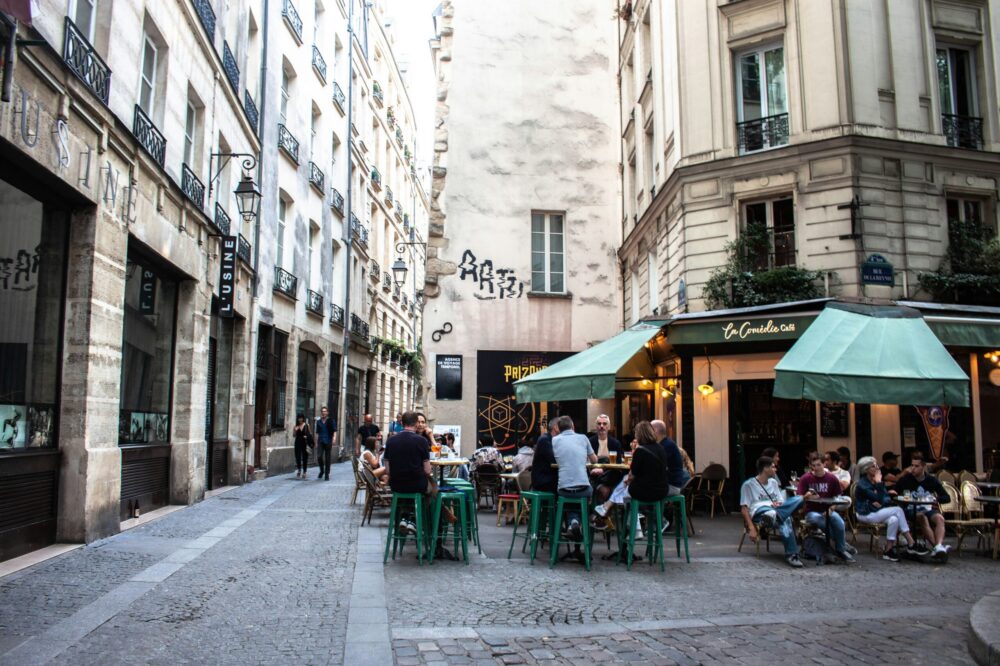
Absolutely. Paris in 2026 offers fresh romantic experiences beyond the clichés. Consider a Seine dinner cruise with local chefs, a night at the newly restored Notre-Dame (reopened in 2024), or a picnic at the Parc de la Villette. The city’s café culture remains vibrant, and hidden courtyards in the Latin Quarter still whisper romance.
Top Attractions in 2026: What’s New and What’s Timeless
Must-Visit Icons
- Eiffel Tower: Still the symbol of Paris. Book tickets weeks in advance.
- Louvre Museum: The Mona Lisa now has her own room, reducing jostling.
- Notre-Dame Cathedral: Fully restored, with a new museum and rooftop access.
- Sacré-Cœur: Free entry and panoramic views of the city.
New Openings in 2026
- La Samaritaine: This historic department store reopened as a luxury hotel and shopping destination.
- Parc des Buttes-Chaumont: Expanded with new gardens and a sustainable café.
- Musée de l’Histoire de l’Immigration: A thought-provoking look at France’s multicultural heritage.
Practical Checklist for Your 2026 Paris Trip
| Task | Details |
|---|---|
| Book flights early | Prices rise 3-4 months out; use fare alerts. |
| Reserve accommodations | Look for free cancellation options. |
| Purchase Museum Pass | Skip the line at many attractions; valid for 2, 4, or 6 days. |
| Download apps | Citymapper for transit, TheFork for restaurant deals, and Paris Je t’aime for events. |
| Learn basic French | Phrases like “bonjour” and “merci” go a long way. |
| Pack layers | Weather can be unpredictable; a light jacket and umbrella are essential. |
Common Mistakes to Avoid
- Overplanning: Leave room for spontaneous exploration—some of the best moments happen off the beaten path.
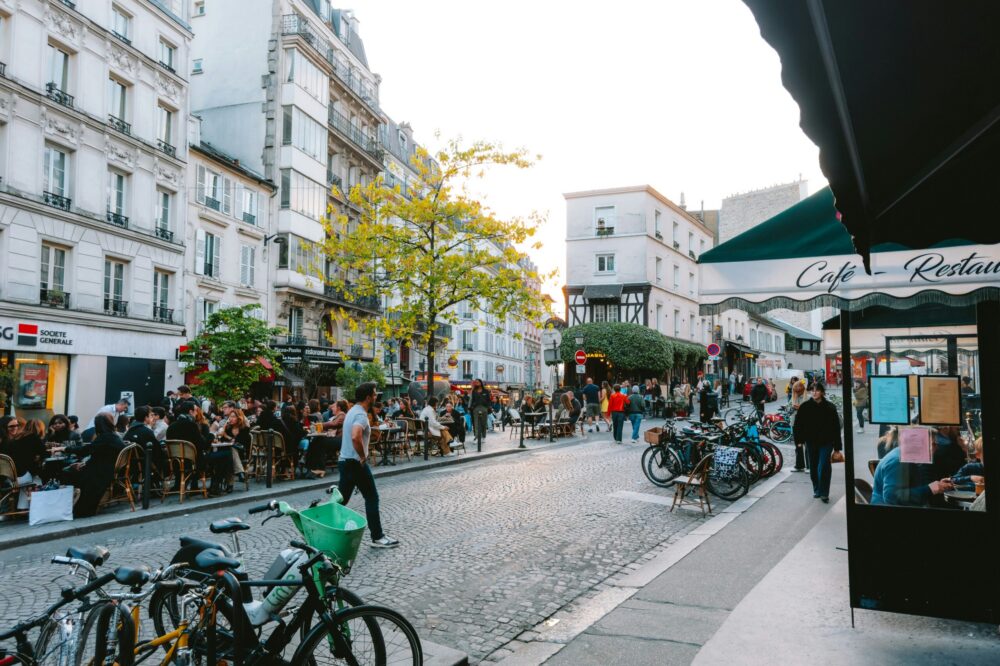
- Skipping local neighborhoods: The Marais, Montmartre, and Canal Saint-Martin offer authentic Parisian life.
- Relying solely on credit cards: Some smaller shops and markets still prefer cash.
- Ignoring strike alerts: Transport strikes can occur; check news before your trip and have backup plans.
Is Paris Worth It for Different Travelers?
For First-Time Visitors
Yes. The classic sights, cuisine, and ambiance are unmatched. Stick to central arrondissements and use the Metro to maximize time.
For Repeat Visitors
Yes. Dive deeper into arrondissements like the 10th or 20th, explore niche museums, or take day trips to Giverny or Reims.
For Budget Travelers
Yes, with caveats. Hostels and budget hotels are available, but expect to spend more than in 2022. Free attractions include parks, markets, and many churches.
For Luxury Seekers
Absolutely. New luxury hotels (e.g., Cheval Blanc) and Michelin-starred restaurants continue to set global standards.
Frequently Asked Questions
Is Paris safe in 2026?
Yes, but exercise caution in crowded tourist spots and on the metro. Pickpocketing remains the biggest risk.
What is the best time to visit Paris in 2026?
April to June and September to October offer pleasant weather and fewer crowds. July and August are hot and crowded.
How many days do I need in Paris?
At least 4-5 days to see major sights and experience local culture. A week allows for day trips.
Are there any new travel restrictions in 2026?
No new restrictions, but check visa requirements (e.g., ETIAS for some non-EU travelers starting 2025).
Is the Seine river clean enough for swimming?
Yes, designated swimming areas opened in 2025, but always check water quality alerts.
Can I still get a croissant for under €2?
Yes, at boulangeries outside tourist zones. Expect to pay €1.20-€1.50 for a classic croissant.
Final Verdict: Why Paris Remains a Must-Visit in 2026
Paris in 2026 is not the same as the Paris of a decade ago—it’s better in many ways. The city has addressed overtourism through smart policies, enhanced public spaces, and a commitment to sustainability. While costs have risen, the quality of experience has also improved. Whether you’re a first-timer or a seasoned traveler, Paris offers depth, beauty, and surprise. So yes, Paris is still worth visiting in 2026—and perhaps more than ever.
Plan your trip now with the tips above, and you’ll discover why Paris continues to enchant millions year after year.
Photo by Annie Spratt on Unsplash
This is really helpful. I’m planning a trip for September 2026 and was worried about the crowds. The tip about booking the earliest time slots is great—I’ll definitely do that for the Louvre.
Glad you found it useful! September is a great choice—shoulder season weather is lovely and crowds are slightly thinner than summer. Booking early slots also helps you avoid the midday rush. Have a wonderful trip!
I’ve heard the Seine is now swimmable—is that true? Are there designated swimming areas, or is it just symbolic?
Yes, it’s true! The Seine has been clean enough for swimming since the 2024 Olympics legacy. There are designated swimming areas along the river, like at the Bassin de la Villette and near the Île de la Cité. Just check local signs for safety guidelines. It’s a unique experience!
The budget estimate of €250-€350 per day seems high. Can you give an example of a more affordable itinerary?
Sure! For a tighter budget, consider staying in a hostel or budget hotel in the 11th arrondissement (around €80-100/night), eat lunch at bakeries or grab a €10-15 formule menu, and use the Paris Museum Pass (€70 for 4 days) to cover multiple attractions. With a Navigo pass for transport, you can manage around €150-€200 per day.
Are the car-free zones really making a difference? I remember the Champs-Élysées being so noisy and polluted last time I visited.
Absolutely, the difference is noticeable. The pedestrianization has significantly reduced noise and air pollution, and the Champs-Élysées now feels more like a grand promenade. You’ll find more outdoor seating and greenery. It’s a much more pleasant experience for walking and sightseeing.
I appreciate the note about lesser-known museums. Which one would you recommend for a first-time visitor who wants to avoid crowds but still see world-class art?
For a first-timer, the Musée de l’Orangerie is a gem—it houses Monet’s Water Lilies in oval rooms designed specifically for them. It’s smaller than the Louvre, so you won’t feel overwhelmed, and the collection is stunning. Another great option is the Musée Rodin, with beautiful sculptures and a lovely garden. Both are usually much less crowded.