
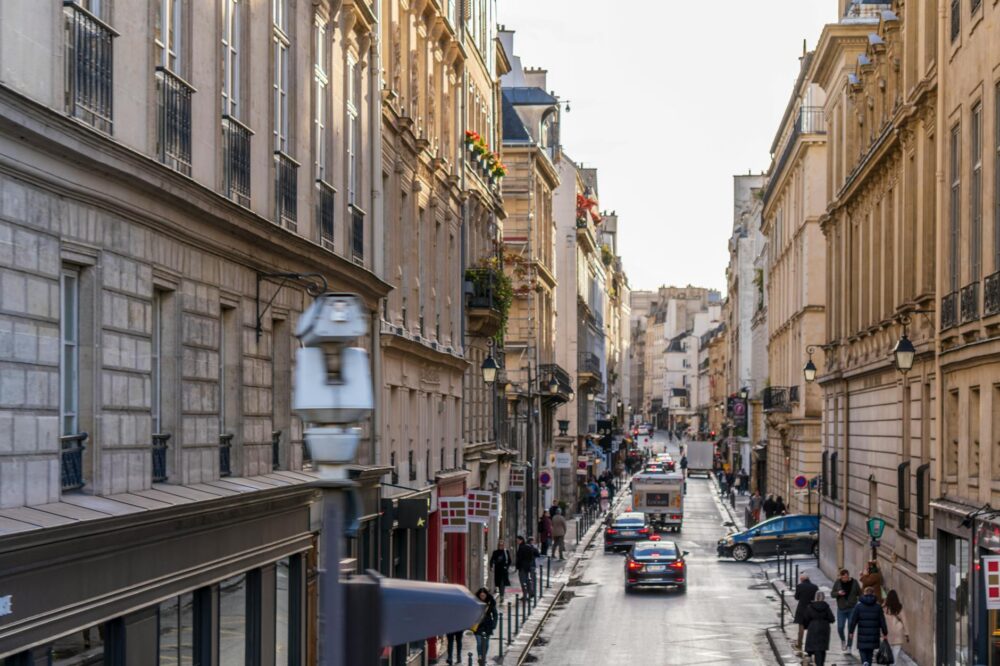
Planning a cultural tour in France for 2026? You’re not alone. France remains the world’s most visited country, and for good reason: its cities are living museums, each with a distinct personality. Whether you’re drawn to Roman ruins, Renaissance châteaux, or contemporary art hubs, the question isn’t if you should go, but which cities deserve a spot on your itinerary. This guide cuts through the noise and highlights the best cities in France for a cultural tour in 2026, based on upcoming exhibitions, new museum openings, and timeless appeal.
Table des matières:
Why 2026 Is a Great Year for a Cultural Tour in France
2026 brings several compelling reasons to visit France for culture lovers. The country is preparing for major anniversaries, including the 100th anniversary of the death of Claude Monet (celebrated with special exhibitions in Giverny and Paris). Several museums are unveiling renovated wings, and cities like Marseille and Lille are hosting European-level cultural events. Additionally, the 2024 Olympic legacy means improved transport and infrastructure, making city-hopping smoother than ever.
The Top Cultural Cities in France for 2026
While Paris is the obvious choice, France’s regional cities offer equally rich cultural experiences without the crowds. Here are the best cities in France for a cultural tour in 2026, ranked by their cultural density, unique offerings, and 2026-specific highlights.
1. Paris: The Timeless Cultural Capital
No list of best cities in France for a cultural tour would be complete without Paris. In 2026, the Louvre will host a blockbuster exhibition on the Renaissance in France, while the Musée d’Orsay focuses on Impressionism and its legacy. The newly renovated Picasso Museum is fully open, and the Fondation Louis Vuitton continues its cutting-edge contemporary shows.
- Must-see in 2026: Monet centenary exhibition at the Musée de l’Orangerie (spring 2026).
- Hidden gem: The Musée Carnavalet, recently revamped, tells the history of Paris through stunning artifacts.
- Cultural tip: Book tickets for the Louvre well in advance, especially for temporary exhibitions.
2. Lyon: A UNESCO World Heritage Treasure
Lyon’s historic center, a UNESCO site, is a maze of traboules (hidden passageways) and Renaissance architecture. The city is also a gastronomic capital, but its cultural scene is equally impressive. In 2026, the Musée des Confluences will launch a major exhibition on Silk Roads and cultural exchange, reflecting Lyon’s historical role as a silk trading hub.
- Don’t miss: The Roman theaters of Fourvière, which host summer festivals.
- 2026 highlight: The Nuits Sonores electronic music festival expands with a cultural program.
- Practical note: Lyon’s public transport is excellent; consider a Lyon City Card for free museum entry.
3. Marseille: A Mediterranean Melting Pot
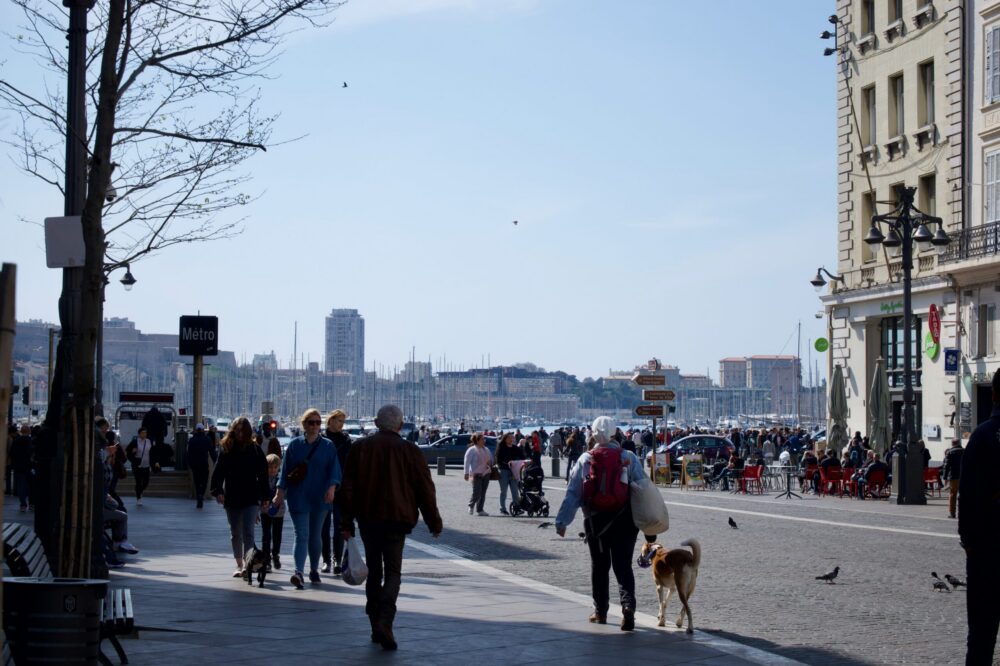
Marseille, Europe’s oldest city, is a vibrant mix of cultures. The MuCEM (Museum of European and Mediterranean Civilizations) is a architectural marvel, and the city’s street art scene is world-class. In 2026, Marseille will host the Mediterranean Biennale, showcasing contemporary art from across the region.
- Cultural highlight: The Palais Longchamp and its fine arts museum, recently reopened after renovations.
- Local experience: Explore the Panier district for artisan workshops and galleries.
- 2026 tip: Combine a visit with the nearby Calanques National Park for a mix of culture and nature.
4. Bordeaux: Wine and Architecture
Bordeaux is famous for its wine, but its urban landscape is equally compelling. The city boasts the largest 18th-century architectural ensemble in Europe, and the Cité du Vin is a must for wine culture enthusiasts. In 2026, the newly renovated Musée des Beaux-Arts will host a retrospective on French painter Odilon Redon.
- Cultural walk: Follow the Water Mirror and the Garonne riverfront for stunning views.
- 2026 event: The Bordeaux International Festival of the Arts (mid-summer).
- Insider tip: Take a day trip to Saint-Émilion for a UNESCO-listed medieval village.
5. Lille: Flemish Charm and Contemporary Art
Lille, in northern France, offers a unique blend of Flemish and French culture. The Palais des Beaux-Arts is one of France’s finest museums, and the city’s art scene is booming. In 2026, Lille will host the Lille3000 festival, a major contemporary art event with a theme of “Utopia.”
- Don’t miss: The Musée d’Art Moderne (LaM) with its extensive collection of modern art.
- 2026 highlight: The festival will feature installations across the city, including in the old stock exchange.
- Practical advice: Lille is well-connected by Eurostar from London, making it an easy addition to a trip.
6. Strasbourg: European Crossroads
Strasbourg, home to the European Parliament, is a city of contrasts: half-timbered houses and cutting-edge institutions. Its cathedral is a Gothic masterpiece, and the city’s museums, like the Musée Alsacien, delve into regional traditions. In 2026, the new International Museum of the Reformation will open, exploring the city’s role in Protestant history.
- Cultural highlight: The Strasbourg Christmas market is world-famous, but the city’s summer cultural festival is equally rich.
- 2026 event: The Strasbourg Music Festival (June) features classical and contemporary performances.
- Travel tip: Rent a bike to explore the city’s many parks and the Petite France district.
7. Toulouse: Pink City and Space Culture
Toulouse, known as the Pink City for its terracotta bricks, is a hub for aerospace and history. The Cité de l’Espace is a top attraction, but the city also has a rich medieval heritage. In 2026, the Musée des Augustins will reopen after extensive renovations, displaying its sculpture collection in a new light.
- Cultural must: The Basilica of Saint-Sernin, a UNESCO World Heritage site and the largest Romanesque church in Europe.
- 2026 highlight: The Toulouse International Festival of Street Theatre (July).
- Local tip: Try cassoulet in a traditional restaurant near the Capitole.
8. Nice: Riviera Art and Italian Influence
Nice, on the French Riviera, offers a unique blend of French and Italian culture. The Musée Matisse and Musée Marc Chagall are world-class, and the old town (Vieux Nice) is a delight. In 2026, the Promenade du Paillon will host a series of outdoor art installations.
- Don’t miss: The Russian Orthodox Cathedral, one of the most beautiful in Europe.
- 2026 event: The Nice Jazz Festival (July) brings international artists to the city.
- Practical note: The Nice Museum Pass offers access to multiple museums for a discounted price.
How to Choose the Right Cities for Your Cultural Tour
With so many options, selecting the best cities in France for a cultural tour in 2026 depends on your interests. Use this checklist to narrow down your choices:
- Art lovers: Paris, Lyon, Nice (Impressionism, modern art).
- History buffs: Lyon, Marseille, Strasbourg (Roman, medieval, Renaissance).
- Architecture enthusiasts: Bordeaux, Strasbourg, Toulouse (18th-century, Gothic, Romanesque).
- Contemporary culture: Lille, Marseille, Paris (biennales, street art, festivals).
- Wine and food culture: Bordeaux, Lyon, Toulouse (gastronomy, vineyards).
Practical Tips for Planning Your 2026 Cultural Tour
To make the most of your trip, consider these strategies:
- Book early: 2026 will see high demand, especially for exhibitions like the Monet centenary. Reserve tickets and accommodations at least 3 months ahead.
- Use city passes: Most cities offer passes that include museum entry and public transport. For example, the Paris Museum Pass covers over 60 museums.
- Travel between cities: France’s TGV network connects major cities in under 3 hours. Consider a Eurail France pass for flexibility.
- Learn basic French phrases: While many people speak English, locals appreciate efforts to speak French. Simple greetings go a long way.
- Check museum closure days: Many museums are closed on Mondays or Tuesdays. Plan your itinerary accordingly.
Common Mistakes to Avoid on a Cultural Tour of France
Even seasoned travelers can fall into traps. Here are pitfalls to avoid:
- Overpacking the itinerary: You can’t see everything. Focus on 2-3 cities for a week-long trip to avoid burnout.
- Ignoring local events: Check local calendars for festivals or strikes that might affect museum hours.
- Skipping smaller museums: The Louvre is amazing, but smaller museums like the Musée Picasso or Musée de l’Orangerie offer more intimate experiences.
- Not pre-booking popular attractions: The Sainte-Chapelle in Paris or the Catacombs sell out days in advance.
FAQ: Best Cities in France for a Cultural Tour in 2026
What is the best city in France for first-time cultural visitors?
Paris is the obvious choice for first-timers due to its concentration of world-famous museums, monuments, and cultural events. However, if you prefer a less crowded experience, Lyon offers a rich historical center and excellent museums without the overwhelming scale of Paris.
Which French city has the most UNESCO World Heritage sites?
Lyon’s historic center is a UNESCO site, but Paris has the most UNESCO-listed monuments within its boundaries, including the Seine riverbanks, the Palace of Versailles (nearby), and the Eiffel Tower. However, if you count entire urban areas, Bordeaux’s Port of the Moon is a UNESCO site that encompasses much of the city.
Are there any new museums opening in France in 2026?
Yes. In Strasbourg, the International Museum of the Reformation is set to open in 2026. In Paris, the Musée de l’Orangerie will have a renovated wing dedicated to temporary exhibitions. The Musée des Augustins in Toulouse will also reopen after a major renovation.
What is the best way to travel between French cities for a cultural tour?
The TGV (high-speed train) is the most efficient way to travel between major cities like Paris, Lyon, Marseille, and Bordeaux. For smaller cities like Lille or Strasbourg, direct trains are also available. Consider booking in advance for the best fares.
How many days should I spend in each city for a cultural tour?
For a comprehensive cultural experience, spend at least 3 days in Paris, 2 days in Lyon or Marseille, and 1-2 days in smaller cities like Lille or Strasbourg. This allows time for museums, walking tours, and spontaneous discoveries.
What is the best time of year for a cultural tour in France?
Spring (April to June) and autumn (September to October) offer mild weather, fewer crowds, and many cultural events. Summer is busy and hot, especially in the south. Winter can be cold but offers lower prices and festive markets in cities like Strasbourg.
France’s cultural wealth is astonishing, and 2026 promises to be a banner year for exhibitions and events. Whether you choose the iconic museums of Paris, the Roman ruins of Lyon, or the avant-garde scene of Lille, you’ll find that the best cities in France for a cultural tour in 2026 offer something for every taste. Plan ahead, stay curious, and let the art, history, and architecture of France transform your perspective.
Photo by Abhishek Navlakha on Pexels
Great article! I’m planning a trip for 2026 and was wondering if you have any recommendations for smaller cities that might be less crowded but still offer a rich cultural experience?
Absolutely! Cities like Avignon, with its Palais des Papes and summer festival, or Bordeaux, known for its wine heritage and new Cité du Vin museum, are excellent choices. Both are less crowded than Paris but packed with culture. In 2026, Avignon will host special performances for its festival’s 80th anniversary.
Are there any cities in France that are particularly good for contemporary art lovers in 2026?
Yes! For contemporary art, head to Paris (Fondation Louis Vuitton, Centre Pompidou), but also consider Lille, which has the Lille Métropole Museum of Modern, Contemporary and Outsider Art. In 2026, Marseille’s contemporary art scene is also booming with new galleries opening in the revitalized port area.
I’m concerned about the crowds in Paris even in 2026. Do you think it will still be very busy despite the Olympics being over?
Paris is always popular, but 2026 should see a slight easing compared to 2024. However, major exhibitions like the Monet centenary will attract crowds. To avoid the worst, visit in shoulder seasons (April-May or September-October) and book tickets in advance for popular museums.
Thanks for the tips! Could you suggest a good itinerary for a 10-day cultural tour that includes two or three of these cities?
Certainly! A classic route: start in Paris (4 days) for the major museums, then take the high-speed train to Lyon (3 days) to explore the traboules and Roman sites, and finish in Marseille (3 days) for the MuCEM and vibrant neighborhoods. This minimizes travel time and gives a diverse cultural experience.
I’m a history buff interested in Roman ruins. Besides Lyon, are there other French cities with significant Roman sites for a 2026 trip?
Definitely! Nîmes has an exceptionally well-preserved Roman amphitheater and Maison Carrée. Arles also boasts Roman arenas and the ancient theater. Both are in Provence and can be combined with a visit to Marseille. In 2026, Nîmes is planning special guided tours of its Roman sites.
What about family-friendly cultural activities in these cities? I’ll be traveling with kids. Any recommendations?
Many museums offer family programs. In Paris, the Cité des Sciences has interactive exhibits. Lyon’s Mini World Lyon is great for kids. Marseille’s MuCEM has a dedicated family space. Also, consider the Palais de la Bourse in Lyon with its fun historical animations. Check each museum’s website for 2026 family events.
Your article mentions the Monet centenary. Will there be special events in Giverny as well?
Yes, Giverny will host special exhibitions at the Musée des Impressionnismes and extended hours at Monet’s garden. The village itself will have themed walks. It’s about 45 minutes from Paris, so an easy day trip. In 2026, they’re planning a sound-and-light show in the gardens during summer.
I’m wondering about accessibility for travelers with mobility issues. Are these cities easy to navigate?
Paris has made progress but some metro stations still lack elevators. Lyon’s metro is mostly accessible, and Marseille’s newer lines are good. Many museums offer wheelchair access. I recommend using buses or taxis for easier mobility. The Lyon City Card includes accessible transport options. Always check ahead for specific venues.