
Table des matières:
Why France Remains a Top Cultural Destination in 2026
France has long been synonymous with art, history, and gastronomy. In 2026, the country is poised to offer even richer cultural experiences as new museums open, heritage sites undergo restoration, and festivals return in full force. Whether you are a first-time visitor or a seasoned traveler, choosing the right cities for a cultural tour can make or break your journey. This guide answers the question: what are the best cities in France for a cultural tour in 2026? We will explore iconic hubs like Paris, underrated gems like Lyon, and emerging destinations such as Lille. Each city offers a distinct flavor of French culture, from world-class art collections to living traditions. Let’s dive into the details to help you craft an unforgettable itinerary.
The Undisputed Cultural Capital: Paris
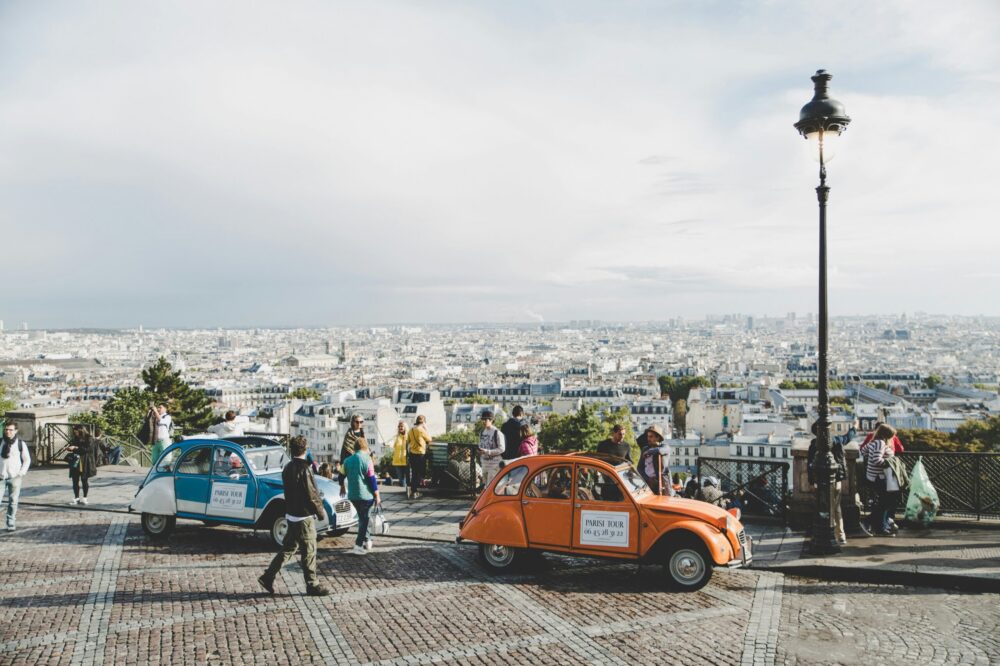
No list of cultural cities in France would be complete without Paris. In 2026, the City of Light continues to dazzle with its timeless attractions and new offerings. The Louvre remains a must-see, but avoid the crowds by visiting on Wednesday or Friday evenings when it stays open late. The Musée d’Orsay, housed in a former railway station, showcases Impressionist masterpieces. For contemporary art lovers, the Centre Pompidou and the newly expanded Fondation Louis Vuitton are essential.
Hidden Gems in Paris for 2026
Beyond the famous museums, explore the Musée Carnavalet (dedicated to Paris history, recently renovated) and the Musée de la Chasse et de la Nature for a quirky twist. The 2026 cultural calendar includes the Nuit des Musées (May) and the Festival de l’Histoire de l’Art (June). Don’t miss the reopening of Notre-Dame’s cathedral square, now a pedestrian-friendly space with a museum of the treasury.
Practical tip: Book tickets online in advance for major museums to avoid long queues. Consider a Paris Museum Pass for access to over 50 attractions.
Lyon: A UNESCO World Heritage Treasure
Lyon, often called the capital of French gastronomy, is also a powerhouse of cultural heritage. Its historic center, Vieux Lyon, is a UNESCO site with Renaissance architecture and traboules (hidden passageways). In 2026, the city will host the Biennale de la Danse (September) and the Fête des Lumières (December), a spectacular light festival that transforms the city. The Musée des Confluences, at the confluence of the Rhône and Saône rivers, offers cutting-edge exhibitions on science and anthropology.
Cultural Itinerary in Lyon
Start your day at the Basilica of Notre-Dame de Fourvière for panoramic views. Then explore the Roman theatres (Théâtre Antique) and the Gallo-Roman Museum. In the afternoon, wander through the traboules in Vieux Lyon and visit the Musée de l’Imprimerie. End with a dinner in a traditional bouchon, where Lyonnaise cuisine shines.
Mistake to avoid: Rushing through the traboules without a map. Many are locked, but guided tours reveal the best ones.
Avignon and the Papal Palace
In the heart of Provence, Avignon is a cultural gem famous for the Palais des Papes, one of the largest Gothic palaces in Europe. In 2026, the Avignon Festival (July) will feature theater, dance, and music performances across the city. The nearby Pont d’Avignon (Pont Saint-Bénézet) is a must-see, though only partial remains exist. The city also boasts the Musée du Petit Palais, with Italian Renaissance paintings, and the Musée Calvet, covering fine arts and archaeology.
Combining Avignon with Surrounding Villages
Use Avignon as a base to explore the Luberon villages (Gordes, Roussillon) and the Roman aqueduct of Pont du Gard. For wine lovers, the Châteauneuf-du-Pape vineyards are a short drive away. In 2026, the Palais des Papes will host a special exhibition on medieval manuscripts.
Bordeaux: Wine and Urban Renaissance
Bordeaux has undergone a remarkable transformation, with its 18th-century architecture now gleaming after restoration. The city’s cultural attractions include the Cité du Vin, an immersive museum dedicated to wine culture worldwide. In 2026, the museum will feature a temporary exhibition on sustainable viticulture. The Musée des Beaux-Arts houses works by Delacroix, Rubens, and Matisse.
Beyond Wine: Bordeaux’s Art Scene
Visit the CAPC Musée d’Art Contemporain for modern installations. The Darwin ecosystem, a former military barracks turned creative hub, hosts street art, skate parks, and organic markets. For a unique experience, take a boat tour on the Garonne River to see the city from the water.
Checklist for Bordeaux:
- Book a wine tasting at Cité du Vin (includes a glass of wine).
- Stroll through the Jardin Public.
- Explore the Miroir d’Eau, the world’s largest reflecting pool.
- Attend a performance at the Grand Théâtre.
Marseille: A Mediterranean Melting Pot
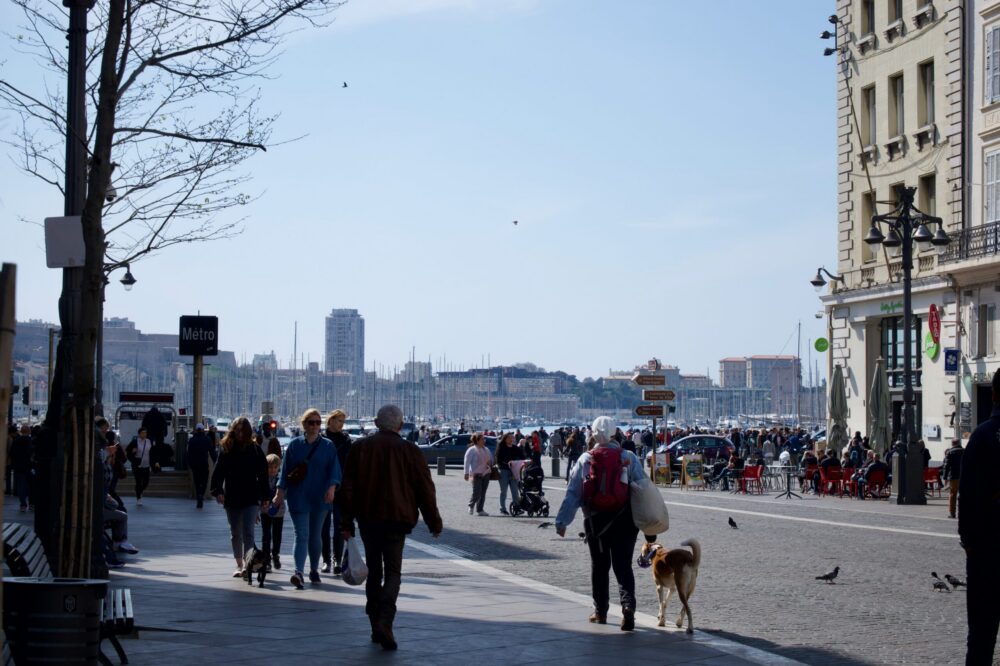
Marseille, France’s oldest city, offers a vibrant mix of cultures. The MuCEM (Museum of European and Mediterranean Civilizations) is a architectural marvel with exhibitions on Mediterranean heritage. In 2026, the city will celebrate the 10th anniversary of its European Capital of Culture legacy with special events. The Vieux Port, the Panier district (with street art and boutiques), and the Basilique Notre-Dame de la Garde are essential visits.
Mistakes to Avoid in Marseille
Many visitors skip the Calanques National Park, a stunning coastal area with turquoise waters. Take a boat tour or hike to see the calanques (fjord-like inlets). Also, don’t limit yourself to the touristy areas; explore the Noailles market for authentic North African flavors.
Lille: Flemish Influence and Dynamic Arts
Lille, near the Belgian border, blends French and Flemish culture. The Palais des Beaux-Arts is one of France’s largest museums outside Paris, with works by Rubens, Goya, and Rodin. In 2026, the Lille3000 cultural program will focus on urban art and digital creativity. The old town (Vieux Lille) features cobblestone streets and charming shops.
Cultural Events in Lille for 2026
The Braderie de Lille (September) is a massive flea market and street festival. For contemporary art lovers, the Lille Métropole Museum of Modern, Contemporary and Outsider Art (LaM) is a must. The city also hosts the Séries Mania television festival in March.
Strasbourg: European Crossroads
Strasbourg combines French and German influences, evident in its half-timbered houses and cuisine. The Cathédrale Notre-Dame, with its astronomical clock, is a masterpiece of Gothic architecture. The city is home to the European Parliament and several museums, including the Musée d’Art Moderne et Contemporain and the Musée Alsacien, which showcases regional folk art. In 2026, Strasbourg will host the European Heritage Days with special access to EU institutions.
Christmas Markets and Year-Round Culture
While Strasbourg is famous for its Christmas markets, its cultural calendar is busy year-round. The Festival Musica (September–October) highlights contemporary classical music. The Petite France district is picture-perfect for a leisurely walk.
Nantes: Creativity and Innovation
Nantes, once a major port, is now a hub of creativity. The Machines of the Isle of Nantes, a giant mechanical elephant and carousel, is a unique artistic attraction. The city’s cultural scene includes the Château des Ducs de Bretagne (with a museum on Nantes’ history), the Musée d’Arts (fine arts), and the Voyage à Nantes, a summer art trail with installations across the city. In 2026, the new Musée de l’Imaginaire will open, focusing on fantasy and science fiction.
Practical tip: Rent a bike to explore Nantes’ green spaces, like the Jardin des Plantes and the Île de Versailles.
Comparison Table: Best Cities for Culture in 2026
| City | Top Attractions | 2026 Highlight | Best For |
|---|---|---|---|
| Paris | Louvre, Orsay, Pompidou | Notre-Dame reopening events | Classic art and museums |
| Lyon | Traboules, Musée des Confluences | Biennale de la Danse | History and gastronomy |
| Avignon | Palais des Papes, Festival d’Avignon | Medieval manuscript exhibition | Theater and medieval heritage |
| Bordeaux | Cité du Vin, CAPC | Sustainable viticulture exhibit | Wine and architecture |
| Marseille | MuCEM, Calanques | 10th anniversary of European Capital of Culture | Mediterranean culture and nature |
| Lille | Palais des Beaux-Arts, LaM | Lille3000 urban art program | Flemish influence and contemporary art |
| Strasbourg | Cathedral, European Parliament | European Heritage Days | Franco-German culture and EU |
| Nantes | Machines of the Isle, Château | Musée de l’Imaginaire opening | Creative and family-friendly |
How to Plan Your Cultural Tour in 2026
To make the most of your trip, consider these steps:
- Define your interests: Are you into classical art, modern architecture, festivals, or local traditions? Choose cities that match your passions.
- Check the 2026 calendar: Many cities have major events (e.g., Avignon Festival in July, Fête des Lumières in Lyon in December). Plan accordingly.
- Book accommodations early: Popular cities fill up quickly during festivals. Look for boutique hotels in historic centers.
- Use regional trains: The TGV network connects most cities efficiently. Consider a France Rail Pass for flexibility.
- Learn basic French phrases: Even a simple “bonjour” and “merci” are appreciated and enhance cultural immersion.
Frequently Asked Questions
What are the best cities in France for a cultural tour in 2026?
The best cities include Paris, Lyon, Avignon, Bordeaux, Marseille, Lille, Strasbourg, and Nantes. Each offers unique cultural experiences from world-class museums to vibrant festivals.
Which French city has the most museums?
Paris has the most museums, including the Louvre, Musée d’Orsay, and Centre Pompidou. In 2026, new exhibitions and renovated spaces make it a top choice.
What is the best time of year for a cultural tour in France?
Spring (April–June) and fall (September–October) offer mild weather and fewer crowds. Summer brings festivals but also higher prices. Winter is ideal for Christmas markets in Strasbourg and Lyon’s Fête des Lumières.
Is it easy to travel between these cities?
Yes, France has an excellent high-speed rail network (TGV). Most cities are connected within 2–3 hours. For example, Paris to Lyon takes 2 hours, and Lyon to Avignon is about 1 hour.
Are these cities suitable for solo travelers?
Absolutely. France is generally safe for solo travelers, and these cities have hostels, guided tours, and social events. Lyon and Nantes are particularly welcoming.
What are some off-the-beaten-path cultural spots?
In Paris, visit the Musée de la Chasse et de la Nature. In Lyon, explore the traboules. In Marseille, hike the Calanques. In Nantes, see the Machines of the Isle.
Final Thoughts: Crafting Your 2026 French Cultural Tour
France offers an unparalleled depth of cultural experiences, and 2026 promises to be an exciting year with new exhibitions, restored landmarks, and lively festivals. Whether you choose the classic allure of Paris, the Renaissance charm of Lyon, or the Mediterranean vibrancy of Marseille, each city will enrich your understanding of French heritage. Remember, the best cities in France for a cultural tour in 2026 are those that align with your interests. Plan ahead, stay curious, and immerse yourself in the local way of life. Bon voyage!
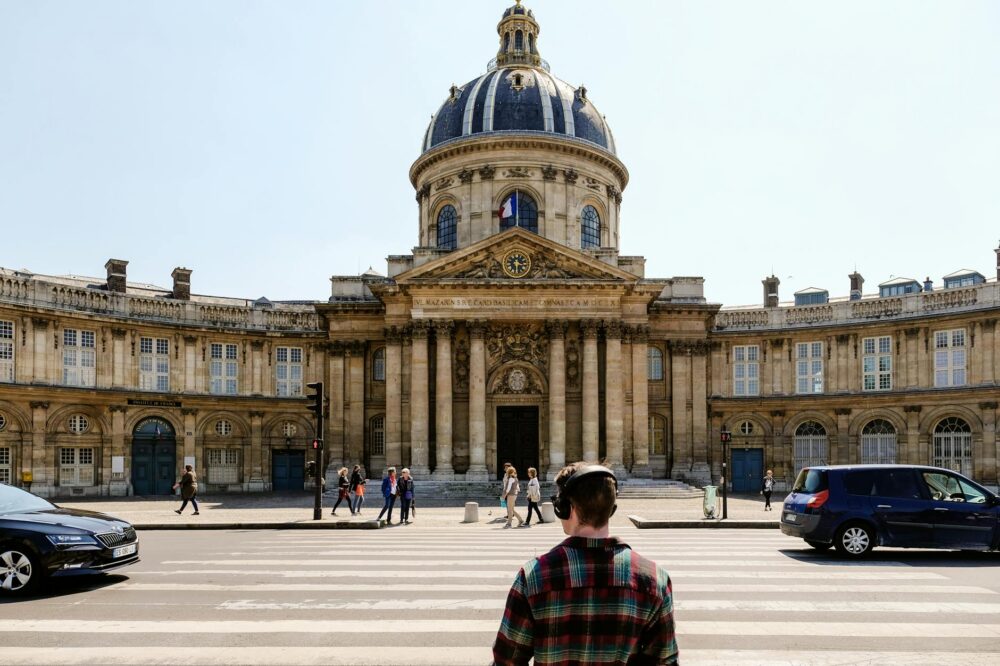
Photo by Laurenz Kleinheider on Unsplash
Great article! I’m planning a trip to France in 2026 and was wondering if Lyon is really worth visiting for culture, or if it’s mostly about food?
Absolutely! Lyon is a cultural powerhouse beyond gastronomy. Its UNESCO-listed old town, Roman theatres, and the Musée des Confluences make it a top choice. Plus, the 2026 Biennale de la Danse and Fête des Lumières add unique cultural experiences.