
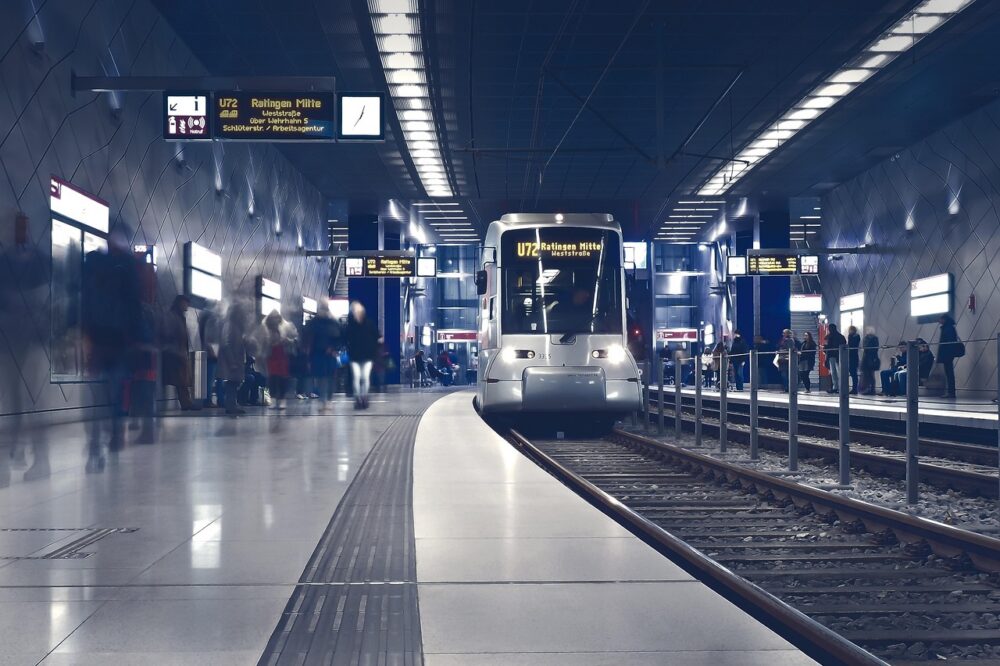
Lille is a compact, vibrant city that rewards exploration. By 2026, its transport network will be even more seamless, with upgrades to metro lines, new bike lanes, and integrated ticketing. Whether you’re visiting for a weekend or settling in, understanding how to get around Lille efficiently will save you time and money. This guide covers every mode—from the driverless metro to electric scooters—so you can navigate like a local.
Table des matières:
Why Lille’s Transport System Stands Out in 2026
Lille’s public transport is operated by Ilévia, which manages the metro, tram, and bus networks. The city has invested heavily in sustainability and connectivity. By 2026, line 1 of the metro will see increased frequency, and the tram lines will have extended to serve new neighborhoods. The entire network is designed to be accessible, with elevators at all metro stations and real-time information displays.
One of the biggest changes is the introduction of a unified contactless payment system. You can now tap your bank card or smartphone on readers across all modes—no need for separate tickets. This makes getting around Lille faster than ever.
Metro: The Backbone of Lille Transport
Lille’s metro is the heart of the city’s transit. It’s one of the few driverless metro systems in the world, and by 2026, it remains the fastest way to travel across town.
Metro Lines and Key Stops
- Line 1 (Yellow): Runs from CHU – Eurasanté in the south to Villeneuve-d’Ascq – Les Prés in the east. Connects Lille-Flandres station, Lille Europe, and the city center.
- Line 2 (Red): Travels from Lomme – St. Philibert in the west to CH Dron in the northeast. Serves major shopping areas and the university campus.
Trains run every 1-2 minutes during peak hours, and every 4-6 minutes off-peak. The metro operates from 5:00 AM to midnight (until 2:00 AM on Fridays and Saturdays).
Tips for Using the Metro
- Validate your ticket or card at the gates before boarding. Random checks occur, and fines are steep (€50+).
- Use the Ilévia app for live departures and journey planning. It also supports mobile ticketing.
- If you’re traveling in a group, consider a carnet of 10 tickets for savings.
Tram: Scenic and Reliable
Lille’s tram network covers areas not served by the metro, particularly to the south and west. Two lines—R and T—connect Lille with Roubaix and Tourcoing. By 2026, the tram has been modernized with low-floor vehicles for easy boarding.
The tram is slower than the metro but offers scenic views of the city’s suburbs. It’s ideal for reaching attractions like the La Piscine Museum in Roubaix or the Tourcoing city center.
Fares and Integration
Tickets are the same as for the metro: a single ticket (€1.80 in 2026) allows unlimited transfers within 1 hour. Day passes (€5.50) are great for tourists who plan multiple trips.
Buses: Covering the Gaps
The bus network fills in routes where trains don’t reach. Over 60 bus lines crisscross Lille and its suburbs. Night buses (Lianes) run from midnight to 5:00 AM on weekends, making them a safe option after the metro closes.
Buses are equipped with USB charging ports and free Wi-Fi on major lines. Use the Ilévia app to track buses in real time—especially useful for less frequent routes.
Cycling: The Green Way to Explore
Lille is increasingly bike-friendly. By 2026, the city has added over 150 km of cycle paths, with dedicated lanes on main boulevards. Bike-sharing scheme V’Lille offers over 2,000 bikes at 250 stations.
How to Use V’Lille
- Download the V’Lille app, create an account, and add a payment method.
- Unlock a bike: scan the QR code or enter the station number. First 30 minutes are free with a subscription (€1.50/day for tourists).
- Return the bike to any station. If full, use the app to find nearby alternatives.
Electric bikes are also available for a small surcharge. They’re perfect for tackling Lille’s gentle hills, especially around the Citadel.
Walking: The Best Way to Discover the Old Town
Lille’s city center is compact and walkable. Vieux-Lille (Old Lille) is a maze of cobblestone streets, boutiques, and restaurants. Walking allows you to stumble upon hidden courtyards and street art.
Key walking routes:
- Grand Place to Place du Théâtre: 5 minutes
- Lille-Flandres station to Vieux-Lille: 10 minutes
- Citadel to the Old Stock Exchange: 20 minutes
Wear comfortable shoes—cobblestones can be tough on heels.
Scooters and Micro-Mobility
Electric scooters are everywhere in Lille. Companies like Lime, Dott, and Tier operate fleets. By 2026, regulations require parking in designated zones to avoid fines. Speed is capped at 25 km/h in most areas.
Pros: Fast for short trips, fun, and available 24/7. Cons: Can be expensive for long rides (€1 unlock + €0.20/min). Always wear a helmet (not provided) and park responsibly.
Driving and Parking: A Word of Caution
Driving in Lille’s center is not recommended. Traffic is heavy, parking is scarce and costly (€2-3/hour), and many streets are pedestrianized. If you must drive, use park-and-ride facilities (P+R) on the outskirts, where parking is free with a metro ticket.
Park-and-Ride Locations
| P+R Name | Nearby Metro Station | Spaces |
|---|---|---|
| Lomme St. Philibert | Lomme – St. Philibert (Line 2) | 500 |
| Les Prés | Les Prés (Line 1) | 400 |
| CH Dron | CH Dron (Line 2) | 300 |
Taxis and Ride-Sharing
Taxis are available at ranks near stations and major hotels. Fares start at €2.60, plus €1.30/km. Uber and Bolt operate in Lille, often cheaper than taxis. For airport transfers (Lille-Lesquin), a flat rate of €30 applies to the city center.
Getting to and from Lille Airports and Train Stations
Lille-Lesquin Airport
Bus line 55 connects the airport to Lille Europe station every 30 minutes (€2.50, 25 minutes). Taxis cost €25-35. By 2026, a new express tram is under discussion, but not yet operational.
Lille Europe and Lille-Flandres
These two stations are connected by a 5-minute walk. Lille Europe serves high-speed trains (Eurostar, TGV, Thalys). Lille-Flandres handles regional trains. Both have metro stations directly inside.
Practical Checklist for Navigating Lille in 2026
- Download the Ilévia app for tickets and real-time info.
- Get a day pass if you’ll take more than 3 trips.
- Walk or bike in the center; use metro for longer distances.
- Avoid driving; use P+R if you have a car.
- Validate your ticket every time—no exceptions.
- Check the night bus schedule if you’re out late.
Frequently Asked Questions
Is the metro in Lille safe at night?
Yes, the metro is generally safe, but it’s wise to stay in well-lit cars and avoid empty compartments late at night. Security patrols are common.
Can I use the same ticket for metro, tram, and bus?
Yes, a single ticket is valid for all three modes within 1 hour. Day passes and multi-day passes also work across the network.
Are there bike lanes in Lille?
Yes, there are over 150 km of cycle paths by 2026. Major roads have dedicated lanes, and the city continues to expand the network.
How do I pay for public transport in Lille?
You can use a contactless bank card, smartphone (Apple Pay, Google Pay), or a rechargeable Pass Pass card. Tickets are also available at vending machines.
What’s the best way to get from Lille to nearby cities like Bruges or Brussels?
Take a train from Lille Europe. Eurostar to Brussels takes 35 minutes. For Bruges, change in Brussels or Ghent. Regional trains are cheaper but slower.
Are electric scooters allowed on public transport?
Folding scooters are allowed on the metro, tram, and bus, but non-foldable ones are prohibited. You can park them at designated scooter parking spots.
Getting around Lille in 2026 is straightforward, thanks to an integrated, modern transport system. Whether you choose the metro’s speed, the tram’s charm, or a bike’s flexibility, you’ll find each mode connects seamlessly. Plan ahead, use the apps, and you’ll spend less time navigating and more time enjoying Lille’s unique culture and cuisine.

Great guide! I’m planning a trip to Lille in 2026. For the metro, do I need to buy a physical card for the contactless payment, or can I just use my phone?
You can use your phone directly! The new unified contactless system accepts bank cards and smartphone wallets (like Apple Pay or Google Pay) at all metro, tram, and bus readers. No physical card required.
The article mentions night buses (Lianes) but doesn’t give details. What time do they run until, and which routes are available?
Night buses in Lille, called Lianes, typically run from around midnight to 5:00 AM on weekends, with reduced frequency. They cover key routes like lines N1, N2, and N3 connecting the city center to suburbs. Check the Ilévia app for exact schedules as they may adjust by 2026.
I’m curious about biking in Lille. Are there bike-sharing stations near the main train stations?
Yes, V’Lille bike-sharing stations are located at both Lille-Flandres and Lille Europe stations. By 2026, the network has expanded with more e-bikes and docking points. You can rent a bike using the V’Lille app or a transport card.
Useful overview. One question: for a family of four, is there a group ticket or discount pass available for public transport?
Yes, Ilévia offers a ‘Pass Famille’ for up to 4 people (2 adults + 2 children under 18) at a reduced rate. Alternatively, a carnet of 10 tickets can be shared among the group. For unlimited travel, a day pass at €5.50 per adult is often the best value.