
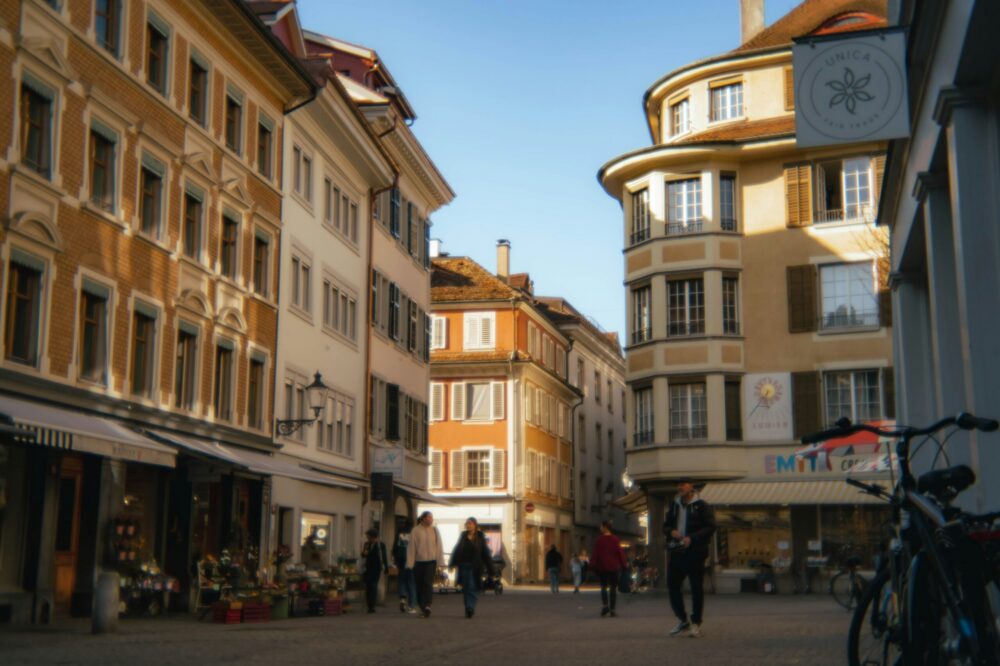
Table des matières:
Why Konya Deserves a Spot on Your Turkey Itinerary
Konya is one of Turkey’s most culturally significant cities, yet it often flies under the radar for travelers. Known as the home of the whirling dervishes and the final resting place of Rumi, this Anatolian gem offers a unique blend of spirituality, history, and authentic Turkish life. If you’re wondering what are the best things to do in Konya, you’re in for a treat. The city is packed with stunning Seljuk architecture, fascinating museums, and delicious local dishes. Whether you have a day or a week, Konya rewards curious travelers with experiences you won’t find anywhere else.
Top Attractions: Where to Go and What to See
Mevlana Museum: The Heart of Konya
The Mevlana Museum is the city’s most iconic landmark. This former lodge of the Mevlevi order now serves as a museum dedicated to Rumi, the 13th-century poet and mystic. Inside, you’ll find Rumi’s tomb, a stunning silver sarcophagus, and a collection of ancient manuscripts, musical instruments, and prayer rugs. The museum’s turquoise dome is a symbol of Konya. Spend at least an hour here, and try to visit early in the morning to avoid crowds.
Tip: Dress modestly and remove your shoes before entering the tomb section. Photography is allowed in most areas, but be respectful of pilgrims.
Alaeddin Hill and Mosque: A Panoramic View
In the city center, Alaeddin Hill is a peaceful park that offers sweeping views of Konya. At its summit stands the Alaeddin Mosque, one of the oldest Seljuk mosques in Turkey. The mosque features a striking wooden ceiling and a simple, elegant interior. The hill itself is a great spot for a picnic or a quiet afternoon stroll. Don’t miss the Alaeddin Pavilion, a small museum with artifacts from the Seljuk period.
Ince Minaret Museum: A Lesson in Stone
The Ince Minaret (literally “slender minaret”) is a former madrasa now turned museum. Its entrance portal is a masterpiece of Seljuk stone carving, with intricate geometric patterns and calligraphy. Inside, you’ll find a collection of wood and stone artifacts, including ancient door wings and tombstones. The minaret itself was shortened after a lightning strike, but the remaining architecture is breathtaking.
Karatay Madrasa: Tile Art at Its Finest
Another former madrasa, the Karatay Madrasa now houses a museum of Seljuk tiles and ceramics. The building’s interior is adorned with stunning blue and turquoise tiles, creating an almost ethereal atmosphere. The museum displays rare examples of Anatolian tile work, including a large mihrab (prayer niche) made of glazed tiles. This is a must for anyone interested in Islamic art.
Sille Village: A Step Back in Time
Just 8 kilometers from Konya, Sille is a historic village with a rich Christian and Muslim heritage. The village is famous for its rock-hewn churches, such as the Church of St. Helena, which dates back to the Byzantine era. Wander through the narrow streets, visit the small mosque, and enjoy a traditional meal at one of the local restaurants. Sille offers a peaceful escape from the city.
Unique Experiences: Beyond the Tourist Trail
Watch a Whirling Dervish Ceremony
The whirling dervishes (Mevlevi Sema) are synonymous with Konya. You can attend a live performance at the Mevlana Cultural Center, which hosts regular shows throughout the year. The ceremony is a spiritual ritual, not a performance, so maintain silence and respect. The swirling motion symbolizes the soul’s journey toward divine love. Tickets are affordable and can be booked online or at the center.
Practical note: If you visit in December, the Sheb-i Arus festival commemorates Rumi’s death with special ceremonies and events.
Explore Seljuk Architecture on a Walking Tour
Konya is a treasure trove of Seljuk architecture. Take a self-guided walking tour to see the city’s best examples: the Aziziye Mosque, the Kapu Mosque, and the Şerafettin Mosque. Each has unique features like carved stone portals, wooden pulpits, and ornate minarets. Many of these sites are within walking distance of each other in the city center.
Visit the Konya Tropical Butterfly Garden
This indoor butterfly garden is a hit with families. It houses hundreds of exotic butterflies from around the world, along with tropical plants and a small aquarium. The garden is climate-controlled, making it a pleasant stop year-round. It’s located near the city’s botanical park, so you can combine visits.
Shop at the Konya Bazaar
The Konya Bazaar is a covered market where you can find everything from spices to textiles. Look for local specialties like Konya carpet, Mevlevi hats (sikke), and traditional Turkish delight. The bazaar is less touristy than Istanbul’s Grand Bazaar, so prices are often more reasonable. Don’t forget to haggle politely.
Food and Drink: What to Eat in Konya
Etli Ekmek: Konya’s Signature Dish
Etli ekmek is a long, thin flatbread topped with minced meat, tomatoes, peppers, and herbs. It’s baked in a stone oven and served piping hot. The best place to try it is at a local etli ekmek salonu (parlor). Pair it with ayran, a salty yogurt drink.
Fırın Kebab: Slow-Cooked Perfection
This is a regional specialty: lamb or beef slow-cooked in a wood-fired oven with vegetables. The meat is tender and flavorful. Many restaurants serve it with rice and grilled peppers. Ask for a porsiyon (portion) – it’s enough for one.
Tirit: A Hearty Soup
Tirit is a traditional soup made from shredded flatbread, lamb broth, and garlic yogurt. It’s often topped with melted butter and paprika. This is comfort food at its best, especially on cold days.
Sweet Treats: Köme and Höşmerim
Köme is a cluster of walnuts dipped in grape molasses and dried – a chewy, sweet snack. Höşmerim is a semolina dessert with milk and sugar, often served with kaymak (clotted cream). Both are unique to Konya.
Practical Tips for Visiting Konya
Best Time to Visit
Spring (April–June) and autumn (September–November) offer mild weather and fewer crowds. Summer can be hot, with temperatures exceeding 35°C (95°F). Winter is cold but magical, especially during the Sheb-i Arus festival in December.
Getting Around
Konya has a modern tram system that connects major attractions. Taxis are affordable but agree on the fare before starting. Walking is the best way to explore the city center.
Where to Stay
Stay in the city center near Mevlana Museum for convenience. Options range from budget hostels to boutique hotels like Rumi Hotel or Dedeman Konya. Book in advance during festivals.
Mistakes to Avoid
- Skipping Sille Village: It’s a short trip and offers a different perspective on Konya’s history.
- Not trying local food: Konya’s cuisine is distinct from Istanbul’s – don’t miss it.
- Ignoring dress codes: At religious sites, cover shoulders and knees. Women may need a headscarf at the Mevlana Museum (scarves are often provided).
- Rushing: Konya deserves at least two days. One day feels rushed.
Sample Itinerary: 2 Days in Konya
| Day | Morning | Afternoon | Evening |
|---|---|---|---|
| 1 | Mevlana Museum | Karatay Madrasa & Ince Minaret | Whirling dervish show |
| 2 | Sille Village | Alaeddin Hill & Alaeddin Mosque | Dinner at a local etli ekmek restaurant |
Frequently Asked Questions
Is Konya safe for solo travelers?
Yes, Konya is very safe. Crime rates are low, and the city is welcoming to tourists. Solo female travelers should dress modestly and avoid isolated areas at night.
How many days do you need in Konya?
Two days is ideal to see the main attractions and enjoy a relaxed pace. One day is enough for a quick visit, but you’ll miss some gems.
What is Konya famous for?
Konya is famous for the Mevlana Museum, whirling dervishes, Seljuk architecture, and local dishes like etli ekmek and fırın kebab.
Can you drink alcohol in Konya?
Yes, but it’s less common than in coastal cities. Some restaurants and hotels serve alcohol, but public drinking is frowned upon.
What should I wear in Konya?
Dress modestly, especially at religious sites. Lightweight clothing in summer, layers in winter. Women should carry a scarf for mosque visits.
How do I get to Konya from Istanbul?
High-speed train from Istanbul’s Pendik station takes about 4.5 hours. Direct flights from Istanbul Airport take 1.5 hours. Buses are also available but take longer.
Final Thoughts on Konya
Konya offers a rich tapestry of history, spirituality, and culture. From the serene Mevlana Museum to the ancient streets of Sille, the best things to do in Konya cater to all interests. Whether you’re a history buff, a foodie, or a spiritual seeker, this city will leave a lasting impression. Plan your trip, take your time, and let Konya’s timeless charm unfold.
Photo by Yanapi Senaud on Unsplash
I’m planning a day trip to Konya from Cappadocia. Is it possible to see the main highlights like Mevlana Museum and Alaeddin Hill in just one day?
Yes, a day trip is doable if you start early. The Mevlana Museum, Alaeddin Hill, and a couple of madrasas (like Karatay or Ince Minaret) can be covered in a day. Consider taking a morning bus from Cappadocia (about 2.5 hours) and returning in the evening. Prioritize the Mevlana Museum and Alaeddin Hill for the best experience.