
If you’re wondering is it worth visiting the French Alps cities in 2026, the short answer is yes—but only if you choose the right season, city, and plan for evolving trends. The French Alps are more than just ski slopes; they offer vibrant urban centers like Chamonix, Annecy, Grenoble, and Albertville, each with unique charm. In 2026, these cities will host new attractions, improved transport, and cultural events that make them compelling year-round. This guide covers everything you need to know to decide if a trip is right for you.
Table des matières:
Why the French Alps Cities Are Gaining Attention in 2026
The French Alps have long been a winter sports paradise, but cities in the region are transforming into year-round destinations. In 2026, several factors make them especially attractive:
- Improved connectivity: New train routes and expanded airports (Geneva, Lyon, Grenoble) make access easier than ever.
- Sustainable tourism push: Many cities are implementing eco-friendly initiatives, from electric shuttle buses to pedestrianized centers.
- Cultural events: The 2026 Winter Olympics in Milan-Cortina may boost interest in nearby Alpine cities, with side events or fan zones.
- Off-season appeal: Spring and autumn offer mild weather, fewer crowds, and lower prices.
Whether you’re an adventure seeker, a culture lover, or a foodie, the French Alps cities have something to offer. But is it worth visiting the French Alps cities in 2026 specifically? Let’s break it down by city.
Top French Alps Cities to Visit in 2026
Chamonix: The Iconic Mountain Town
Chamonix sits at the foot of Mont Blanc, Western Europe’s highest peak. In 2026, it remains a top choice for mountaineers, skiers, and hikers. The city has invested in modern cable cars and upgraded the Aiguille du Midi attraction. Summer visitors can enjoy paragliding, mountain biking, and the Mer de Glace glacier train. Winter brings world-class skiing and the famous Kandahar race.
Is it worth visiting? Yes, if you love dramatic alpine scenery and outdoor adventure. However, prices are high, and crowds peak in February and August.
Annecy: The Venice of the Alps
Annecy is famous for its canals, pastel-colored houses, and crystal-clear lake. By 2026, the city will have completed a new lakeside promenade and expanded bike lanes. It’s ideal for a romantic getaway or family trip. Summer offers swimming, paddleboarding, and cycling around the lake. Winter provides a quieter atmosphere with Christmas markets and nearby ski resorts.
Is it worth visiting? Absolutely, especially if you prefer charming towns over high-altitude thrills. Annecy is accessible year-round, but July and August are packed.
Grenoble: The Dynamic University City
Grenoble is a vibrant city surrounded by mountains, known for its scientific institutions and youthful energy. In 2026, the Bastille cable car and the renovated Musée de Grenoble are major draws. The city offers a mix of urban culture and nature: hiking trails start right from the city center. Winter sports enthusiasts can reach ski resorts in under an hour.
Is it worth visiting? For budget-conscious travelers and those seeking a lively atmosphere, yes. Grenoble is less touristy than Chamonix and offers great value.
Albertville: Olympic Legacy Town
Albertville hosted the 1992 Winter Olympics and maintains sports infrastructure. In 2026, the town is promoting its heritage with Olympic museum tours and year-round sports facilities. It’s a quieter option, close to the Paradiski ski area.
Is it worth visiting? If you’re interested in Olympic history or want a base for skiing without the crowds, it’s a solid choice. But don’t expect a vibrant nightlife.
Comparing French Alps Cities: A Quick Table
| City | Best Season | Main Attraction | Crowd Level | Budget |
|---|---|---|---|---|
| Chamonix | Winter & Summer | Mont Blanc, Aiguille du Midi | High | $$$ |
| Annecy | Spring & Summer | Lake Annecy, Old Town | High | $$ |
| Grenoble | Year-round | Bastille, museums | Moderate | $ |
| Albertville | Winter | Olympic sites | Low | $ |
Practical Considerations for 2026 Travel
Before you book, consider these factors that affect whether it’s worth visiting the French Alps cities in 2026:
Transportation Updates
In 2026, the French rail network (SNCF) plans to increase TGV services to the Alps, reducing travel time from Paris to Annecy to about 3.5 hours. Geneva Airport (GVA) remains the most convenient international gateway, with direct buses to Chamonix and Annecy. Lyon-Saint Exupéry is another option. For eco-conscious travelers, car-sharing and electric vehicle rentals are expanding.
Accommodation Trends
Booking early is crucial for peak seasons (Christmas, February break, July-August). In 2026, expect more eco-lodges and boutique hotels. Airbnb remains popular but faces stricter regulations in some cities. Budget travelers should consider hostels in Grenoble or guesthouses in smaller villages.
Weather and Climate
Alpine weather is unpredictable. Summers are warm (20-30°C) but can have rain. Winters are cold (below 0°C at high altitudes) with reliable snow. In 2026, some glaciers may be less accessible due to melting, so check conditions for glacier hikes like the Mer de Glace.
Activities and Experiences Beyond Skiing
Many travelers assume the French Alps are only for skiing. In 2026, cities offer diverse experiences:
- Hiking: Thousands of trails, from easy lakeside walks to multi-day treks like the Tour du Mont Blanc.
- Water sports: Annecy Lake is perfect for sailing, windsurfing, and scuba diving.
- Cultural festivals: The Annecy International Animated Film Festival (June) and Grenoble’s street art scene.
- Food and wine: Savoyard specialties like fondue, raclette, and tartiflette, plus local wines from the Savoie region.
- Wellness: Thermal spas in towns like Saint-Gervais-les-Bains and Brides-les-Bains.
Common Mistakes to Avoid When Visiting French Alps Cities
To make your trip worthwhile, steer clear of these pitfalls:
- Underestimating travel time: Mountain roads can be slow; don’t try to visit multiple cities in one day.
- Ignoring altitude sickness: In high-altitude cities like Chamonix (1,035m), take it easy on arrival.
- Overpacking for winter: Layering is key; many accommodations provide gear rental.
- Not booking in advance: Popular restaurants and tours fill up weeks ahead.
- Forgetting insurance: Outdoor activities carry risks; ensure your policy covers mountain sports.
Checklist: Is It Worth Visiting the French Alps Cities in 2026 for You?
Use this checklist to decide:
- ☐ You enjoy outdoor activities (hiking, skiing, biking)
- ☐ You prefer scenic beauty over big-city nightlife
- ☐ You’re willing to pay a premium for iconic destinations (Chamonix, Annecy)
- ☐ You can travel during shoulder seasons for better value
- ☐ You’re interested in sustainable tourism and eco-friendly travel
- ☐ You have at least 5-7 days to explore one or two cities thoroughly
If you checked most boxes, then yes, visiting French Alps cities in 2026 is a great idea. If you’re on a tight budget or prefer beach holidays, you might want to skip.
Frequently Asked Questions
What is the best time to visit French Alps cities in 2026?
The best time depends on your interests: winter (December-March) for skiing, summer (June-September) for hiking and lake activities, and spring/autumn for fewer crowds and lower prices.
Which French Alps city is most affordable?
Grenoble is generally the most affordable, with cheaper accommodation and dining options. Albertville also offers good value, especially for ski trips.
Do I need a car to explore French Alps cities?
Not necessarily. Cities like Annecy, Grenoble, and Chamonix have excellent public transport. For remote villages or ski resorts, a car can be convenient but parking is expensive.
Are French Alps cities safe for solo travelers?
Yes, they are very safe. Crime rates are low, but take usual precautions like securing valuables. Solo hiking requires proper preparation and informing someone of your route.
Can I visit French Alps cities without speaking French?
Yes, especially in tourist hubs. English is widely spoken in hotels, restaurants, and attractions. Learning a few French phrases is appreciated.
What are the must-try foods in French Alps cities?
Don’t miss fondue, raclette, tartiflette, diot (sausage), and local cheeses like Beaufort and Reblochon. Savoie wines like Apremont pair perfectly.
So, is it worth visiting the French Alps cities in 2026? Absolutely, if you plan according to your preferences and budget. The combination of stunning nature, cultural richness, and modern amenities makes these cities a rewarding destination. Start planning early, book smart, and get ready for an unforgettable alpine experience.
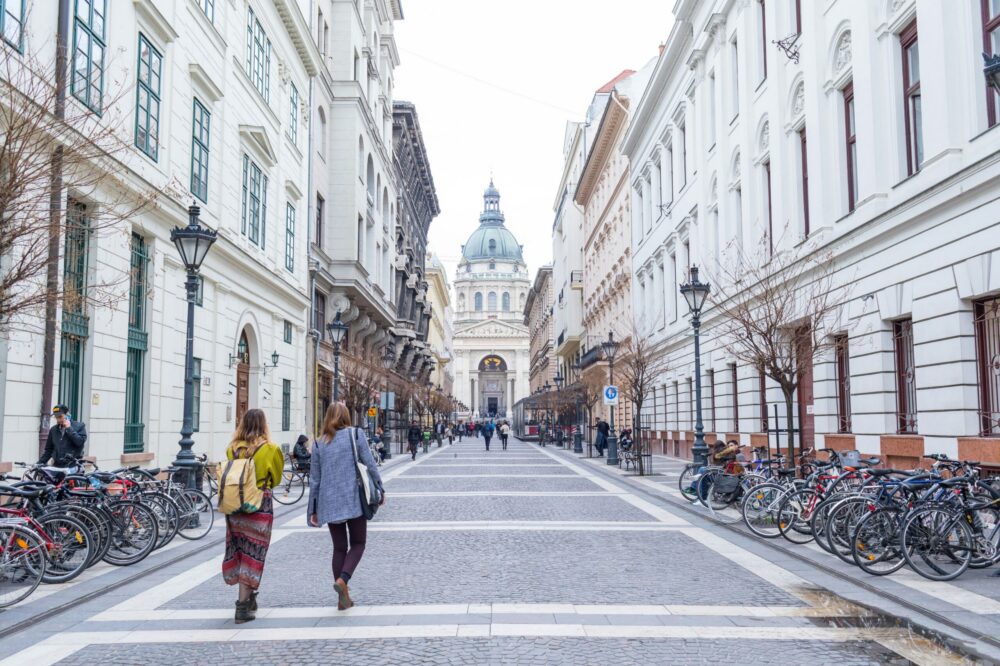
Photo by Collab Media on Unsplash
Great guide! I’m planning a trip in September 2026. Are the cable cars in Chamonix still operating in early autumn, or do they close for maintenance?
Thank you! Most cable cars in Chamonix, including the Aiguille du Midi, operate year-round, but some may have short maintenance closures in early autumn. It’s best to check the official Chamonix website closer to your travel date for exact schedules.
I’ve heard Annecy can get really crowded in summer. Is there a good time in 2026 to visit when it’s less busy but still warm enough for lake activities?
Yes, consider visiting in late May or early June, or in September. The weather is usually pleasant for swimming and paddleboarding, but the peak July–August crowds haven’t arrived yet. September also offers the Fête du Lac fireworks if you’re interested.
This article mentions improved connectivity in 2026. Are there any new direct train routes from Paris to Grenoble or Annecy that year?
As of 2026, TGV trains from Paris to Annecy and Grenoble remain direct and frequent. No completely new routes have been announced, but there are additional services during peak seasons. Check SNCF’s schedule for the latest options.
I’m a foodie and love trying local dishes. Which city would you recommend for the best Alpine cuisine in 2026?
For Alpine cuisine, Chamonix and Annecy are top choices. Chamonix has many traditional restaurants serving fondue, raclette, and tartiflette. Annecy offers lake fish like perch and fera, plus local cheeses. Grenoble also has great markets and restaurants with regional specialties.