
Antakya, the ancient city of Antioch, has long been a crossroads of civilizations. But after the devastating earthquakes of 2023, many travelers are asking: Is Antakya worth visiting in 2026? The short answer is yes—but with caveats. This guide covers everything you need to know: the current state of the city, what remains open, new developments, and how to travel responsibly. Whether you’re a history buff, a foodie, or a cultural explorer, Antakya offers a unique experience you won’t find anywhere else.
Table des matières:
The Current State of Antakya: Post-Earthquake Recovery
The February 2023 earthquakes caused widespread destruction in Antakya and the surrounding Hatay province. Many historic buildings collapsed, and the city’s infrastructure was severely damaged. However, by 2026, significant recovery efforts will be underway. The Turkish government, along with international organizations, has been working to restore essential services and preserve cultural heritage.
While some areas remain cordoned off for safety, many key attractions have been repaired or are accessible. The local tourism sector is slowly rebounding, with new hotels and guesthouses opening. Travelers who visit in 2026 will witness a city in transition—a mix of resilience, reconstruction, and enduring charm.
Top Attractions Still Worth Seeing in 2026
Hatay Archaeology Museum
This museum survived the earthquakes largely intact and is one of the finest in Turkey. It houses a world-class collection of Roman mosaics, including the famous Gypsy Girl mosaic. The museum reopened to the public in 2024 and remains a must-visit. Plan at least two hours to explore its galleries.
St. Pierre Church (Grotto of St. Peter)
One of Christianity’s oldest places of worship, this cave church was damaged but has been stabilized. It is open for visits, though some sections may be restricted. The site is a pilgrimage destination and offers a profound historical connection.
Antakya’s Old Town and Bazaar
The historic bazaar area, with its narrow alleys and traditional shops, suffered significant damage. However, parts of it have reopened. You can still find local crafts, spices, and the famous Antakya kunefe. Be prepared for a more subdued atmosphere than before the earthquakes.
Habib-i Neccar Mosque
This mosque, one of the oldest in Anatolia, was heavily damaged. As of 2026, restoration is ongoing, and the exterior may be viewed, but interior access might be limited. Check local guidelines before visiting.
Is It Safe to Travel to Antakya in 2026?
Safety is a top concern. The Turkish government has declared many areas safe for tourism, but it’s essential to stay informed. Key safety tips:
- Check travel advisories from your home country’s foreign office.
- Avoid buildings that show visible structural damage.
- Use reputable tour guides who know the current conditions.
- Stay in hotels that have been inspected post-earthquake.
- Carry a basic emergency kit and have a communication plan.
Overall, the city center and main tourist sites are considered safe, but avoid venturing into heavily damaged residential areas.
How to Get to Antakya in 2026
Antakya is accessible by air, road, and bus. The nearest airport is Hatay Airport (HTY), which resumed domestic flights in 2024. From Istanbul, there are daily flights taking about 1.5 hours. Alternatively, you can take a bus from major cities like Istanbul, Ankara, or Adana—the journey from Istanbul takes around 18 hours. If driving, the roads are generally good, but check for construction zones.
Where to Stay in Antakya
Accommodation options have evolved. Many pre-earthquake hotels were damaged, but new ones have opened. Recommended areas:
- City Center: Proximity to attractions, but noise may be an issue.
- Harbiye: A suburb with waterfalls and green spaces, about 8 km from the city. Offers quieter stays.
- Samandağ: Coastal area with beachfront hotels, about 30 minutes away.
Book in advance, as accommodations fill up during peak season (spring and fall).
Local Cuisine: What and Where to Eat
Antakya’s food scene is legendary. Don’t miss these dishes:
- Kunefe: Shredded pastry with cheese, soaked in syrup. Best enjoyed hot.
- Kağıt Kebabı: Meat and vegetables cooked in parchment paper.
- Hummus with Pastırma: Creamy hummus topped with cured beef.
- Oruk: Spicy bulgur balls filled with meat, similar to içli köfte.
Many restaurants have reopened, especially those in the newer parts of the city. Ask locals for recommendations—they’re proud of their culinary heritage.
Practical Tips for Visiting Antakya in 2026
- Best time to visit: March to May and September to November for mild weather.
- Language: Turkish is the main language; English is not widely spoken. Learn a few basic phrases.
- Currency: Turkish Lira (TRY). Credit cards are accepted in many places, but carry cash for smaller shops.
- Respect local customs: Dress modestly when visiting mosques and religious sites.
- Travel insurance: Ensure it covers earthquake-related incidents.
Should You Visit? A Balanced Perspective
Visiting Antakya in 2026 is not a typical vacation. It’s an opportunity to support a community in recovery and witness history firsthand. If you’re flexible, patient, and culturally sensitive, you’ll be rewarded with profound experiences. However, if you prefer polished tourist infrastructure and want to avoid any inconvenience, you might wait a few more years.
Who should visit Antakya in 2026?
- History enthusiasts who appreciate ancient mosaics and religious sites.
- Food lovers eager to taste authentic Hatay cuisine.
- Travelers who want to contribute to local economic recovery.
- Adventurous souls who don’t mind construction and limited services.
Who might want to postpone?
- Families with young children concerned about safety.
- Travelers with limited mobility (some areas are hard to navigate).
- Those seeking a fully developed resort experience.
Frequently Asked Questions About Visiting Antakya in 2026
Is Antakya completely rebuilt by 2026?
No, reconstruction is still ongoing. Many historic buildings are being restored, but some areas remain damaged. The city is functional but shows signs of the earthquake.
Are the famous Antakya mosaics still on display?
Yes, the Hatay Archaeology Museum is open and displays its mosaics. Some pieces that were under restoration may be back on exhibit by 2026.
Can I visit the old town and bazaar?
Parts of the old town are open, but the bazaar is smaller than before. Many original shops are gone, but new ones have opened nearby.
Is it ethical to visit Antakya so soon after a disaster?
Yes, if done respectfully. Tourism supports local livelihoods and recovery. Avoid gawking at destruction; focus on cultural appreciation and spending money at local businesses.
Do I need a visa for Turkey?
Many nationalities can obtain an e-Visa online. Check the official Turkish e-Visa website for eligibility and fees.
What should I pack for Antakya?
Comfortable walking shoes, modest clothing for religious sites, a reusable water bottle, sunscreen, and a mask for dusty areas. Also bring a power bank as power outages can occur.
In conclusion, Antakya is worth visiting in 2026 for travelers who approach it with realistic expectations and a sense of purpose. The city’s spirit remains unbroken, and your visit can be a meaningful part of its revival. Plan ahead, stay informed, and you’ll discover why this ancient city has captivated visitors for millennia.
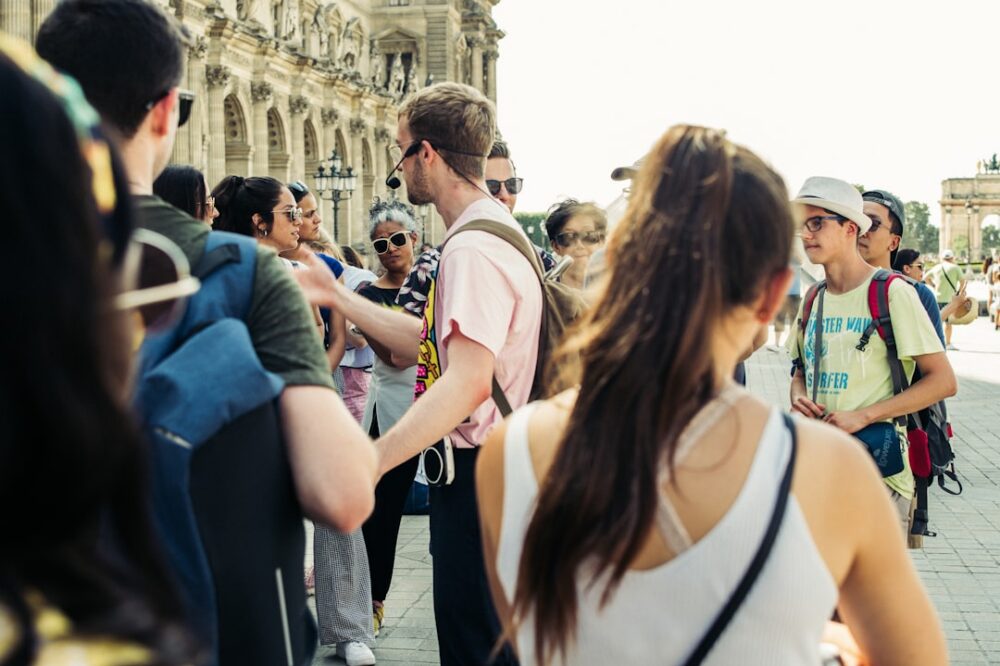
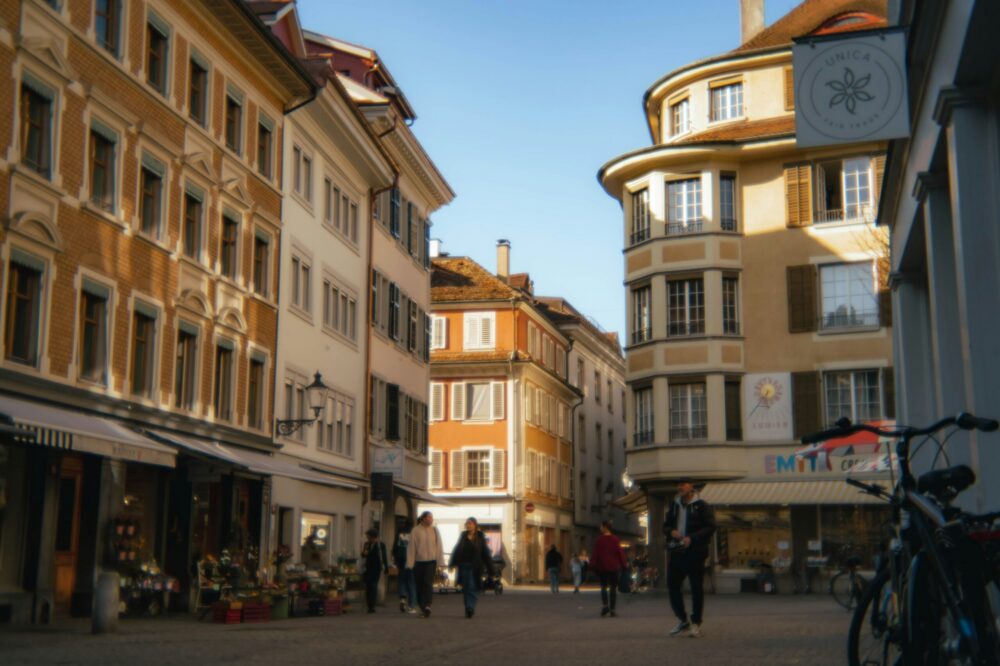
Photo by Bernie Almanzar on Unsplash
I’ve been considering a trip to Antakya in 2026. Is the Hatay Archaeology Museum fully open, or are some sections still closed?
The Hatay Archaeology Museum reopened in 2024 and is fully open to the public. All galleries, including the Roman mosaics, are accessible. Plan at least two hours for your visit.
Great article! I’m a history enthusiast and really want to see St. Pierre Church. Are there any restrictions on visiting?
St. Pierre Church has been stabilized and is open for visits, though some sections may be restricted for safety. It’s best to check with local tourism authorities or your guide before going.
Is the old bazaar still worth visiting? I loved the idea of walking through the traditional shops.
Parts of the old bazaar have reopened, but the atmosphere is more subdued than before the earthquakes. You can still find local crafts, spices, and kunefe. It’s worth a visit if you’re in the area, but don’t expect the full pre-earthquake bustle.
I’m worried about safety. Are there any specific areas travelers should avoid in 2026?
Most areas declared safe by the Turkish government are fine for tourists. Avoid buildings with visible structural damage and stick to inspected hotels. Always check travel advisories and use reputable guides for the latest information.
This is really helpful, thank you. I’m planning to visit Antakya as part of a larger Turkey trip. How many days would you recommend staying?
For Antakya, 2 to 3 days is sufficient to see the main attractions like the museum, St. Pierre Church, and the bazaar, plus enjoy the local cuisine. More time allows for day trips to nearby sites like Harbiye waterfalls or the ancient city of Seleucia Pieria.
I read that Habib-i Neccar Mosque was heavily damaged. Can you still see it from the outside?
Yes, the exterior of Habib-i Neccar Mosque is viewable, but interior access is limited due to ongoing restoration. Check local guidelines before visiting, as conditions may change.
Is the local food scene still active? I’ve heard Antakya has amazing cuisine.
Absolutely! Many restaurants and food stalls have reopened, especially around the bazaar and newer parts of the city. Don’t miss kunefe, lahmacun, and the local kebabs. The food scene is resilient and very much alive.