
Table des matières:
Immersing Yourself in Florentine History Through Accommodation
Florence is a living museum, and the best way to absorb its Renaissance spirit is by sleeping within walls that have witnessed centuries. But not every hotel claiming ‘historic charm’ delivers genuine architectural heritage. This guide cuts through the marketing to spotlight properties where the past is tangible—in frescoed ceilings, original stone staircases, and courtyards designed by masters. Whether you seek a converted monastery, a Medici-era palace, or a tower house, these accommodations offer more than a bed; they offer a piece of history.
What Defines a Historically Significant Hotel in Florence?
Before diving into specific hotels, it helps to understand what makes a building architecturally noteworthy. Florence’s historic center is a UNESCO World Heritage site, and many hotels occupy structures that date back to the 13th–16th centuries. Key features to look for:
- Original Renaissance or Gothic elements: Vaulted ceilings, stone archways, fresco fragments, and terracotta floors.
- Authentic materials: Pietra serena stone, hand-painted beams, and wrought-iron fixtures.
- Historical function: Former palaces (palazzi), convents, or merchant houses.
- Preservation vs. renovation: The best hotels retain original details while offering modern comfort.
Many hotels claim ‘historic’ status, but true architectural integrity requires visible, protected features. Check if the building is under the protection of the Italian Ministry of Cultural Heritage—a reliable indicator of authenticity.
Top Florence Hotels with Genuine Historic Architecture
1. Hotel Brunelleschi: A Byzantine and Medieval Marvel
Located near the Duomo, Hotel Brunelleschi incorporates the ancient Church of San Michele in Palchetto (6th century) and a medieval tower. The hotel’s design seamlessly blends these structures with contemporary interiors. Guests can see original stonework, a Byzantine-era well, and Roman-era foundations in the lobby. The 96 rooms mix modern furnishings with historic touches like exposed beams and arch windows.
Why it stands out: The hotel offers guided tours of its archaeological museum, which includes artifacts discovered during construction. This is rare even among historic hotels.
2. Palazzo Niccolini al Duomo: A Noble Residence Reimagined
This 15th-century palazzo, owned by the Niccolini family for generations, sits steps from the Duomo. The building retains its original courtyard, frescoed ceilings in common areas, and a grand staircase. Each room is unique, with some featuring original fireplaces and antique furnishings. The family’s private chapel, now a meeting room, displays 16th-century frescoes.
Tip for history buffs: Request a room on the piano nobile (noble floor) for the highest ceilings and best-preserved frescoes.
3. Antica Torre di Via Tornabuoni: A Medieval Tower House
Once a 13th-century tower owned by the Gianfigliazzi family, this boutique hotel rises seven stories. The structure is one of the few remaining medieval towers in Florence that operates as a hotel. Guests enter through a narrow stone passageway leading to a tiny courtyard. The rooftop terrace offers panoramic views of the city’s historic center. Rooms feature original stone walls, wooden beams, and period-style furniture.
Practical note: The tower’s narrow, spiral staircase (there is a small elevator) adds to the authenticity but may not suit guests with mobility issues.
4. Hotel Savoy: A 19th-Century Luxury Landmark
While not Renaissance, the Hotel Savoy represents 19th-century Florentine elegance. Built in the 1890s on Piazza della Repubblica, its architecture reflects the city’s post-unification transformation. The façade features neoclassical details, and the interior blends Art Deco with Florentine craftsmanship. The lobby’s marble floors and Murano glass chandeliers evoke the era’s grandeur.
Who it’s for: Travelers who appreciate Belle Époque style and want a central location with modern luxury.
5. Villa Cora: A 19th-Century Suburban Estate
Located just outside the historic center, Villa Cora is a 19th-century villa built for Baron Oppenheim. Its architecture is a mix of Renaissance revival and neoclassical, surrounded by a sprawling garden. The interior boasts frescoed ceilings, stuccowork, and a grand ballroom. The hotel offers a more tranquil setting while still being close to the Boboli Gardens.
Best for: Those who want a historic estate with parkland, away from the city bustle.
Comparing Historic Hotels: A Quick Overview
| Hotel | Era | Key Architectural Feature | Location |
|---|---|---|---|
| Hotel Brunelleschi | 6th–15th century | Byzantine church, medieval tower | Near Duomo |
| Palazzo Niccolini al Duomo | 15th century | Frescoed ceilings, noble courtyard | Duomo area |
| Antica Torre di Via Tornabuoni | 13th century | Medieval tower, stone walls | Via Tornabuoni |
| Hotel Savoy | 19th century | Neoclassical façade, Art Deco interiors | Piazza della Repubblica |
| Villa Cora | 19th century | Renaissance revival villa, frescoed ballroom | Outside historic center |
Hidden Gems: Lesser-Known Historic Hotels
Beyond the famous names, several smaller hotels offer exceptional architectural value without the premium price tag.
Hotel Davanzati: A 15th-Century Palazzo with Family Stories
This three-star hotel in a 15th-century palazzo near Piazza della Signoria retains original stone staircases and a well in the courtyard. The owners have collected antique furniture and share the building’s history during breakfast. It’s a budget-friendly option for architecture enthusiasts.
Residenza del Moro: A Quiet Corner of History
Tucked away on Via del Moro, this small hotel occupies a 14th-century building that once housed wool merchants. Exposed brick arches, wooden beams, and a small inner garden create an intimate atmosphere. Only 10 rooms, so booking ahead is essential.
What to Look for When Booking a Historic Hotel
To ensure you get genuine historic architecture, consider these factors:
- Check the building’s age: Look for mentions of ’13th-century tower’ or ‘Renaissance palace’ rather than ‘historic-style’.
- Read recent reviews: Guests often comment on original features and maintenance.
- Ask about preservation: Contact the hotel directly to inquire about protected elements.
- Beware of ‘historic’ labels: Some hotels call themselves historic but have modern interiors with no original fabric.
- Consider the trade-off: Authentic historic hotels may have smaller rooms, uneven floors, or limited soundproofing.
Common Mistakes When Choosing a Historic Hotel
Even savvy travelers can be misled. Here are pitfalls to avoid:
- Mistaking ‘historic district’ for ‘historic hotel’: A hotel in a historic area may occupy a modern building.
- Assuming all old buildings have visible history: Some have been gutted and modernized inside.
- Overlooking the location: A historic hotel outside the center may offer architecture but less convenience.
- Ignoring noise: Historic buildings often have thin walls; check for double glazing if you’re a light sleeper.
Frequently Asked Questions About Florence Hotels with Historic Architecture
Are Florence’s historic hotels expensive?
Not necessarily. Options like Hotel Davanzati and Residenza del Moro offer affordable rates, while luxury palaces command higher prices. Booking in off-peak seasons can reduce costs.
Can I visit historic hotels even if I’m not a guest?
Many hotels allow non-guests to explore public areas like courtyards, lobbies, or rooftop terraces. Some offer guided tours or afternoon tea. Always ask at the reception.
Do historic hotels have modern amenities like Wi-Fi and air conditioning?
Yes, most have updated utilities while preserving architectural integrity. However, air conditioning systems may be less powerful in ancient buildings. Check before booking in summer.
Which area of Florence has the most historic hotels?
The historic center, especially around the Duomo, Piazza della Signoria, and Via Tornabuoni, concentrates the highest number of palazzi and medieval towers.
Are there any historic hotels with original frescoes?
Yes. Palazzo Niccolini al Duomo and Villa Cora feature frescoed ceilings and walls. Some smaller hotels also retain fragments. Ask specifically when booking.
How can I verify a hotel’s architectural authenticity?
Look for official heritage listings, read detailed descriptions on the hotel’s website, and check travel forums for guest photos. A quick Google image search of the hotel’s interiors can reveal if the historic features are genuine or decorative.
Final Thoughts: Choosing Your Own Piece of Florentine History
Selecting a hotel with historic architecture in Florence is about more than aesthetics—it’s about connection. Whether you prefer the towering medieval walls of Antica Torre, the noble frescoes of Palazzo Niccolini, or the layered ruins of Hotel Brunelleschi, each property offers a unique window into the city’s past. Balance your desire for authenticity with practical needs like location, budget, and comfort. By prioritizing buildings with preserved original elements, you ensure your stay becomes part of Florence’s ongoing story. Book with confidence, and let the stones speak.
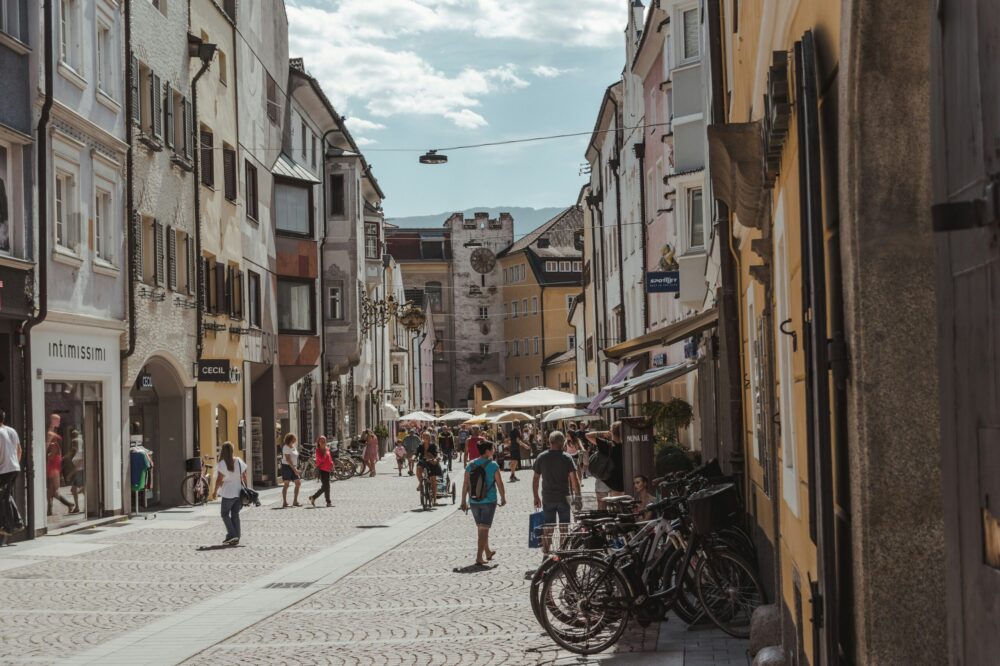
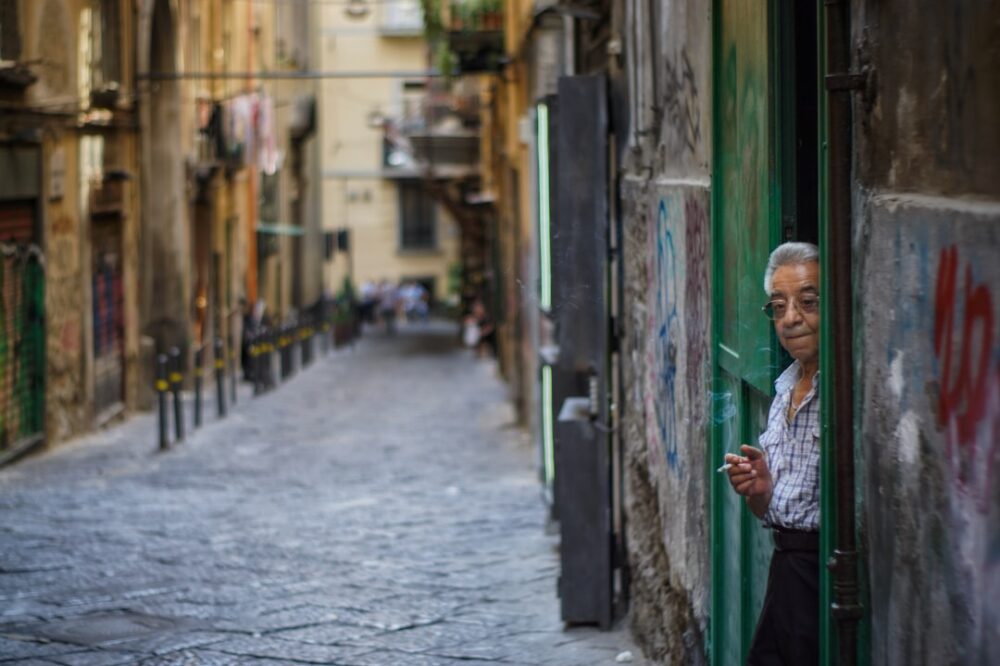
Photo by Hannes Vikoler on Unsplash
Are there any hotels on the list that are actually affordable for a budget traveler, or are they all luxury?
Most featured hotels are in the luxury range, but you can find smaller historic properties like Antica Torre di Via Tornabuoni that offer more moderate rates, especially in low season. Also, consider B&Bs in historic palazzi for a more budget-friendly option.
Great guide! I was wondering if the Hotel Brunelleschi’s archaeological museum is open to non-guests?
Yes, the archaeological museum at Hotel Brunelleschi is open to the public by appointment, not just guests. It’s a unique chance to see Roman and early Christian remains right in the hotel lobby.
Do any of these hotels have issues with noise from the street, given their central locations?
Yes, some historic hotels in Florence can have street noise due to thin windows. For quieter stays, request an inner courtyard room at Palazzo Niccolini al Duomo or choose a hotel on a side street like Antica Torre di Via Tornabuoni.
This is exactly what I was looking for! I love that you mentioned the piano nobile at Palazzo Niccolini al Duomo. Are those rooms significantly more expensive?
Rooms on the piano nobile often cost a premium due to their size and historic features, but the experience is worth it. Booking directly with the hotel might help you get a better rate or upgrade possibility.