
Table des matières:
Florence’s Cultural Heart: Where to Stay for an Authentic Experience
Florence is a living museum, and where you sleep can shape your entire cultural journey. The best hotels in Florence for a cultural experience don’t just offer a bed—they immerse you in Renaissance art, local traditions, and the city’s vibrant street life. Whether you want to wake up steps from the Duomo, sleep in a former convent, or learn from artisan hosts, this guide covers accommodations that put culture at your doorstep.
Why Choose a Culturally Immersive Hotel in Florence?
A culturally focused hotel does more than provide luxury. It connects you to the city’s soul through architecture, location, curated experiences, and local partnerships. You’ll find frescoed ceilings, historic courtyards, cooking classes, and guided tours that reveal hidden gems. These hotels prioritize authenticity over generic comfort, making your stay memorable and educational.
What Makes a Hotel Culturally Rich?
- Historic buildings: Palazzos, convents, or Renaissance villas with original art and architecture.
- Location: Within walking distance of major museums, churches, and artisan workshops.
- Curated experiences: On-site art tours, cooking classes, or wine tastings led by local experts.
- Local partnerships: Collaborations with nearby galleries, craftsmen, or family-run trattorias.
- Authentic design: Decor that reflects Florentine history, from Murano glass to hand-painted ceramics.
Top Hotels for a Cultural Experience in Florence
Here are the best hotels in Florence that excel in cultural immersion, categorized by experience type.
Historic Palazzos and Grand Dames
These hotels occupy former noble residences, offering frescoed salons, antique furniture, and a sense of stepping back in time.
Hotel Savoy
Located on Piazza della Repubblica, Hotel Savoy blends classic Florentine elegance with modern comfort. Its rooms feature local artwork and custom-made furnishings. The concierge can arrange private after-hours visits to the Uffizi Gallery or a guided walk through the Oltrarno district’s artisan workshops. The rooftop bar offers panoramic views of the Duomo and Giotto’s Campanile.
Palazzo Vecchietti
A boutique hotel in a 15th-century palazzo near Piazza della Signoria. Each suite is uniquely decorated with original frescoes and period furniture. Guests receive a complimentary smartphone for navigation and museum reservations. The hotel also offers a private tour of the Vasari Corridor, the secret passageway connecting Palazzo Vecchio to the Uffizi.
Boutique Hotels with Art and Design Focus
These smaller properties prioritize contemporary art, local craftsmanship, and personalized cultural experiences.
Il Tornabuoni
Set in a 13th-century tower on Via Tornabuoni, this hotel combines medieval architecture with modern Italian design. The rooftop terrace features sculptures by contemporary artists. The hotel’s art concierge can arrange visits to private collections and artist studios. Their cooking classes focus on Tuscan recipes passed down through generations.
AdAstra
A hidden gem in the Oltrarno district, AdAstra is a 19th-century villa surrounded by a lush garden with lemon trees and frescoed ceilings. Each room is unique, with vintage furniture and local textiles. The hotel hosts occasional live music nights and aperitivo with local wines. It’s a short walk to the Boboli Gardens and Pitti Palace.
Authentic Tuscan Villa Stays
For those who want a blend of countryside tranquility and city culture, these villas offer a peaceful retreat with easy access to Florence.
Villa La Vedetta
Perched on a hill near Piazzale Michelangelo, this villa offers stunning views of Florence. The property includes a garden with olive trees and a pool. Inside, you’ll find frescoed ceilings and antique furnishings. The hotel organizes wine tours in Chianti and visits to nearby medieval villages like Fiesole.
Villa Cora
A 19th-century villa with a large park and outdoor pool. The interiors are adorned with stuccoes, frescoes, and crystal chandeliers. Villa Cora offers a shuttle service to the city center and can arrange private tours of the Uffizi and Accademia. Their restaurant serves traditional Tuscan cuisine with a modern twist.
Convents and Monasteries Turned Hotels
Staying in a former convent offers a unique spiritual and historical atmosphere, often at more affordable prices.
Hotel Santa Maria Novella
Located in a 14th-century convent opposite the basilica of Santa Maria Novella. Rooms are simple yet elegant, with high ceilings and original terracotta floors. The cloister garden is a peaceful oasis. The hotel offers a free walking tour of the historical center and discounts at nearby museums.
Foresteria Valdese
A budget-friendly option run by the Waldensian Church, located in a historic building near Piazza della Signoria. The rooms are basic but clean, and the atmosphere is serene. The hotel supports local cultural projects and can recommend off-the-beaten-path churches and galleries.
Checklist: What to Look for in a Culturally Immersive Hotel
| Feature | Why It Matters |
|---|---|
| Historic building | Authentic architecture and atmosphere |
| Central location | Easy access to museums, churches, and workshops |
| Curated experiences | On-site tours, classes, or tastings |
| Local partnerships | Exclusive access to artisans or collections |
| Authentic design | Decor that reflects Florentine heritage |
| Multilingual staff | Better communication and local insights |
Neighborhoods for Cultural Immersion
Your hotel’s neighborhood affects your cultural experience. Here are the best areas to stay in Florence for culture lovers.
Duomo and Piazza della Signoria
The historic core is packed with landmarks: the Duomo, Baptistery, Uffizi, and Palazzo Vecchio. Hotels here put you in the center of Renaissance art and architecture. Expect higher prices but unmatched convenience.
Oltrarno (Across the Arno)
This district is known for artisan workshops, the Pitti Palace, Boboli Gardens, and the Santo Spirito church. It’s less crowded and offers a more local vibe. Many boutique hotels and B&Bs are tucked away in quiet streets.
Santa Croce
Home to the Basilica of Santa Croce (burial site of Michelangelo and Galileo) and the leather market. This area has a lively atmosphere with many restaurants and shops. Hotels here range from budget to luxury.
San Lorenzo
Near the Medici Chapels and the San Lorenzo Market (Mercato Centrale). This neighborhood is bustling with food stalls and local life. It’s a great base for food lovers and those interested in Medici history.
Common Mistakes to Avoid When Choosing a Cultural Hotel
- Prioritizing price over location: A cheap hotel far from the center costs time and transport money. You’ll miss spontaneous cultural encounters.
- Ignoring noise levels: Some historic hotels near piazzas can be noisy at night. Check for soundproofing or request a quiet room.
- Skipping the research: Not all hotels labeled “historic” offer genuine cultural experiences. Read reviews and check for partnerships with local guides.
- Overlooking small details: Look for features like free walking tours, museum discounts, or art books in rooms. These add value.
- Assuming all boutique hotels are cultural: Some boutique hotels focus on design over heritage. Verify the building’s history and the hotel’s cultural offerings.
How to Book a Culturally Immersive Stay
Follow these steps to secure the best hotel for your cultural trip to Florence.
- Define your interests: Are you focused on Renaissance art, contemporary art, food, or local crafts? Choose a hotel that aligns.
- Research neighborhoods: Match your interests to the right district (e.g., Oltrarno for artisan workshops).
- Check hotel websites: Look for sections on “Experiences” or “Culture.” Many hotels list exclusive tours and partnerships.
- Read recent reviews: Look for mentions of cultural activities, knowledgeable staff, and authentic atmosphere.
- Contact the hotel directly: Ask about guided tours, museum passes, or local recommendations. A responsive concierge is a good sign.
- Book early: Culturally immersive hotels with limited rooms fill up quickly, especially during high season (April–October).
Frequently Asked Questions
What is the most historic hotel in Florence?
Hotel Savoy and Palazzo Vecchietti are among the most historic, with origins dating back to the 15th and 19th centuries. Both offer original frescoes and antique furnishings.
Are there budget-friendly hotels in Florence that still offer a cultural experience?
Yes. Foresteria Valdese and Hotel Santa Maria Novella are affordable options with historic settings. They may lack luxury amenities but provide authentic atmosphere and cultural programs.
Which neighborhood is best for first-time visitors interested in culture?
The Duomo/Signoria area is ideal for first-timers because of its proximity to major museums and landmarks. However, Oltrarno offers a more local feel and is still walkable to the main sites.
Do these hotels offer guided tours or cultural activities?
Many do. For example, Il Tornabuoni offers art concierge services, and Palazzo Vecchietti provides private Vasari Corridor tours. Always check the hotel’s website or contact them directly.
Can I find hotels with cooking classes or wine tastings?
Yes. Il Tornabuoni and Villa La Vedetta offer Tuscan cooking classes and wine tours. Some hotels also partner with local chefs for in-room dining experiences.
How far in advance should I book a culturally immersive hotel in Florence?
At least 3–6 months ahead for peak season (April–June, September–October). For off-peak, 1–2 months is usually sufficient.
Final Thoughts on Choosing the Best Hotel for a Cultural Experience in Florence
The best hotels in Florence for a cultural experience are those that connect you to the city’s artistic and historical legacy. Whether you choose a grand palazzo, a boutique art hotel, or a converted convent, prioritize authenticity and location. These hotels not only provide comfort but also enrich your understanding of Florence. Book early, ask questions, and prepare for an unforgettable journey into the heart of the Renaissance.
Ready to immerse yourself in Florentine culture? Start your search with the hotels listed above, and don’t hesitate to reach out to their concierges for personalized recommendations.
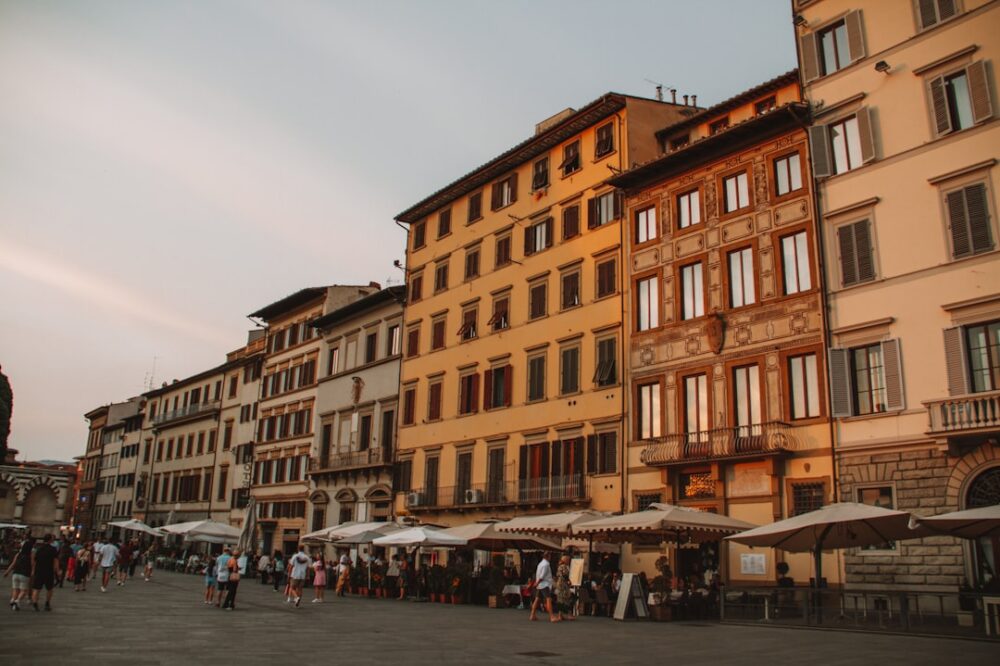
Photo by Gabriella Clare Marino on Unsplash
This is exactly what I was looking for! I’m planning a trip to Florence and want to stay somewhere that feels like part of the city’s history, not just a generic hotel. The Hotel Savoy sounds perfect with the private after-hours Uffizi visits. Do you know if that’s included in the room rate or an extra cost?
Great question! Private after-hours Uffizi visits are typically an extra service arranged by the concierge, not included in the standard room rate. It’s best to contact the hotel directly for pricing and availability.
I’m torn between Palazzo Vecchietti and Il Tornabuoni. Both sound amazing for art lovers. Which one would you recommend for someone who wants to be close to the Duomo?
Both are centrally located. Palazzo Vecchietti is near Piazza della Signoria, about a 5-minute walk to the Duomo. Il Tornabuoni is on Via Tornabuoni, roughly 7 minutes away. For proximity, Palazzo Vecchietti is slightly closer, but Il Tornabuoni offers a unique medieval tower experience.
Do any of these hotels offer cooking classes or food experiences? I’m a big foodie and want to learn about Tuscan cuisine.
Yes! Many culturally immersive hotels in Florence partner with local chefs for cooking classes. For example, Il Tornabuoni can arrange private cooking lessons, and some historic palazzos offer wine tastings. Check with your chosen hotel for specific offerings.
I’m traveling with my elderly parents, so walkability and elevator access are important. Are these hotels generally accessible?
Historic buildings can have accessibility challenges. Palazzo Vecchietti is in a 15th-century palazzo with limited elevators; it’s best to confirm directly. Hotel Savoy and Il Tornabuoni are more modernized and likely have elevators. Always contact the hotel about specific needs.
The Vasari Corridor tour from Palazzo Vecchietti sounds incredible. Is that tour exclusive to hotel guests, or can anyone book it?
The Vasari Corridor tour is exclusive to guests of Palazzo Vecchietti, as it’s arranged privately through the hotel. The corridor is usually closed to the public, so this is a unique perk. Non-guests would need to find other ways to access it, which is rare.
I appreciate the focus on authenticity over luxury. Are there any budget-friendly options that still offer a cultural experience?
Absolutely! While this guide highlights upscale options, Florence has many affordable culturally rich stays. Consider boutique B&Bs in historic buildings or hotels like Hotel Cestelli, a small family-run property with period furniture. They may not have all the curated experiences, but the location and atmosphere are authentic.
I love that the article mentions local partnerships with artisan workshops. Can you give an example of what that might look like?
Sure! Some hotels partner with nearby workshops for exclusive experiences. For instance, a hotel might arrange a private visit to a Florentine leather atelier or a goldsmith’s studio, where you can see craftsmanship up close and even try your hand at a technique.
Do these hotels offer guided tours of the city’s hidden gems, like lesser-known churches or gardens?
Yes, many culturally focused hotels provide curated tours that go beyond the main attractions. The concierge at Hotel Savoy can arrange a guided walk through the Oltrarno district, which includes artisan workshops and off-the-beaten-path spots. It’s a great way to discover hidden gems.