
Lyon Travel Guide: Discover the Gastronomic Capital of France
Nestled between the Rhône and Saône rivers, Lyon is a city that captivates visitors with its rich history, vibrant culture, and world-renowned cuisine. Often considered the gastronomic capital of France, Lyon offers a unique blend of ancient Roman heritage, Renaissance architecture, and modern urban life. Whether you’re a food lover, history buff, or art enthusiast, this comprehensive guide will help you make the most of your visit to Lyon.
Why Visit Lyon?
Lyon is France’s third-largest city, yet it feels intimate and walkable. Its UNESCO-listed old town, Vieux Lyon, is a maze of cobblestone streets and traboules (hidden passageways). The city is also a gateway to the Beaujolais and Côtes du Rhône wine regions. But above all, Lyon is a paradise for foodies, with more restaurants per capita than any other French city.
Top Attractions in Lyon
Vieux Lyon and Traboules
Vieux Lyon is one of Europe’s largest Renaissance districts. Wander through its narrow streets and discover the traboules—secret corridors that once allowed silk workers to transport goods. Many are open to the public. Don’t miss the Cathédrale Saint-Jean, a stunning Gothic cathedral with a 14th-century astronomical clock.
Basilica of Notre-Dame de Fourvière
Perched on Fourvière hill, this basilica offers panoramic views of the city. Built in the 19th century, it combines Byzantine and Romanesque styles. The interior is adorned with intricate mosaics and stained glass. Take the funicular from Vieux Lyon to reach the top.
Parc de la Tête d’Or
This 117-hectare park is one of Europe’s largest urban green spaces. It features a lake, botanical garden, zoo, and plenty of walking and cycling paths. Perfect for a relaxing afternoon.
Musée des Confluences
A striking modern museum at the confluence of the Rhône and Saône rivers. It explores natural history, anthropology, and science through innovative exhibits. The architecture alone is worth the visit.
Presqu’île and Place Bellecour
The Presqu’île is the city’s bustling heart, with elegant 19th-century buildings, shops, and cafes. Place Bellecour is one of Europe’s largest pedestrian squares, featuring a statue of Louis XIV.
Lyon’s Food Scene: A Culinary Journey
Lyon’s reputation as a food capital is well-deserved. The city is famous for its bouchons—traditional Lyonnaise restaurants serving hearty, rustic dishes. Must-try specialties include:
- Quenelles: Light dumplings made from fish or poultry, often served with a creamy sauce.
- Salade Lyonnaise: Frisée lettuce with bacon, croutons, and a poached egg.
- Andouillette: A sausage made from pork intestines, grilled and served with mustard.
- Tarte à la Praline: A pink praline tart, a sweet Lyonnaise classic.
For an authentic experience, book a table at a bouchon like Le Garet or Café des Fédérations. Also explore the Halles de Lyon Paul Bocuse, a covered market named after the legendary chef, where you can sample local cheeses, charcuterie, and fresh produce.
Best Time to Visit Lyon
Lyon has a temperate climate with four distinct seasons. The best times to visit are spring (April to June) and fall (September to October) when the weather is mild and crowds are thinner. Summer can be hot and busy, while winter offers Christmas markets and fewer tourists. The Festival of Lights (Fête des Lumières) in early December is a spectacular event, but book accommodation well in advance.
Getting Around Lyon
Lyon has an efficient public transport system including metro, tram, and bus. The metro has four lines (A, B, C, D) that cover most attractions. A single ticket costs €1.90 and is valid for one hour with transfers. Consider the Lyon City Card for unlimited transport and free entry to museums. Biking is also popular with the Vélo’v bike-sharing scheme.
Day Trips from Lyon
Lyon’s central location makes it an excellent base for exploring the region. Here are some recommended day trips:
| Destination | Distance from Lyon | Highlights |
|---|---|---|
| Beaujolais Wine Region | 30 min by car | Wine tasting, vineyard walks |
| Annecy | 2 hours by train | Lake, canals, old town |
| Grenoble | 1.5 hours by train | Alpine views, Bastille fortress |
| Arles | 2.5 hours by train | Roman ruins, Van Gogh inspiration |
Where to Stay in Lyon
Vieux Lyon (Old Town)
Best for history lovers and atmosphere. Narrow streets, medieval architecture, and plenty of restaurants. Accommodation ranges from charming B&Bs to luxury hotels.
Presqu’île
Central location with easy access to shopping and nightlife. Many mid-range and upscale hotels. Ideal for first-time visitors.
Part-Dieu
The business district near the main train station. More modern hotels and good transport links. Suitable for travelers on a budget or those passing through.
Croix-Rousse
The silk-weaving district on a hill. Bohemian vibe, local markets, and stunning views. Great for a more authentic, less touristy experience.
Practical Tips for Visiting Lyon
- Language: While many locals speak English, learning a few French phrases (bonjour, merci, s’il vous plaît) goes a long way.
- Tipping: Service is included in restaurant bills, but leaving a small tip (5-10%) is appreciated for good service.
- Safety: Lyon is generally safe, but beware of pickpockets in crowded areas and on public transport.
- Opening Hours: Many shops close for lunch (12:00-14:00) and on Sundays. Museums often close on Mondays.
- Water: Tap water is safe to drink. Carry a reusable bottle.
Common Mistakes to Avoid
- Only visiting Vieux Lyon: The Presqu’île and Croix-Rousse offer equally rich experiences.
- Not booking restaurants in advance: Popular bouchons fill up quickly, especially on weekends.
- Overlooking the traboules: These hidden passages are unique to Lyon and free to explore.
- Sticking to tourist areas: Venture into local neighborhoods like the 7th arrondissement for a taste of everyday Lyon.
Frequently Asked Questions About Lyon
Is Lyon expensive to visit?
Lyon is more affordable than Paris but pricier than smaller French cities. Expect to pay around €80-150 per night for a mid-range hotel and €15-25 for a meal at a bouchon.
How many days do I need in Lyon?
Two to three days is enough to see the main sights. Add extra days for day trips or deeper exploration of the food scene.
What is the best way to get from Lyon airport to the city center?
The Rhônexpress tram takes about 30 minutes from Lyon-Saint Exupéry Airport to Part-Dieu station. Tickets cost €16.50 one way.
Can I visit Lyon in a day?
Yes, but it will be rushed. Focus on Vieux Lyon, Fourvière, and the Presqu’île. Use the funicular and metro to save time.
What is Lyon famous for besides food?
Lyon is known for its silk industry, Roman ruins (the ancient theater), and as the birthplace of cinema (the Lumière brothers).
Is Lyon walkable?
Yes, the city center is compact and pedestrian-friendly. However, some hills (Fourvière, Croix-Rousse) may require good walking shoes or use of public transport.
Conclusion
Lyon is a city that rewards those who take the time to explore its layers. From the Roman amphitheaters to the bustling food markets, every corner offers a glimpse into its storied past and vibrant present. Whether you’re savoring a quenelle in a traditional bouchon or strolling along the Rhône at sunset, Lyon leaves a lasting impression. Plan your trip with this guide, and you’ll discover why this city is a must-visit destination in France.
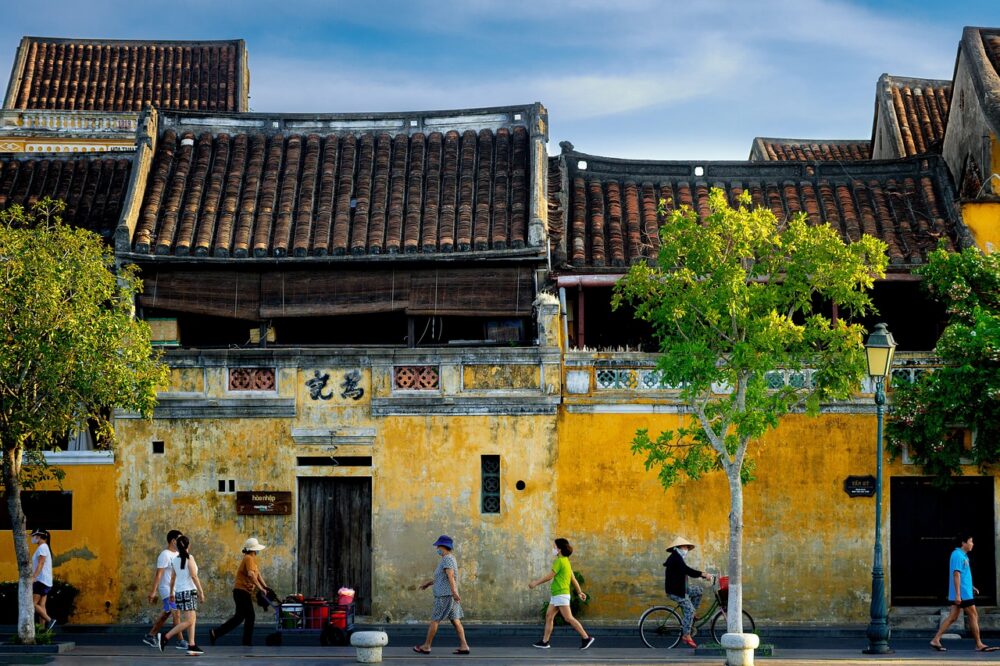
Photo by tienthinhphoto on Pixabay