
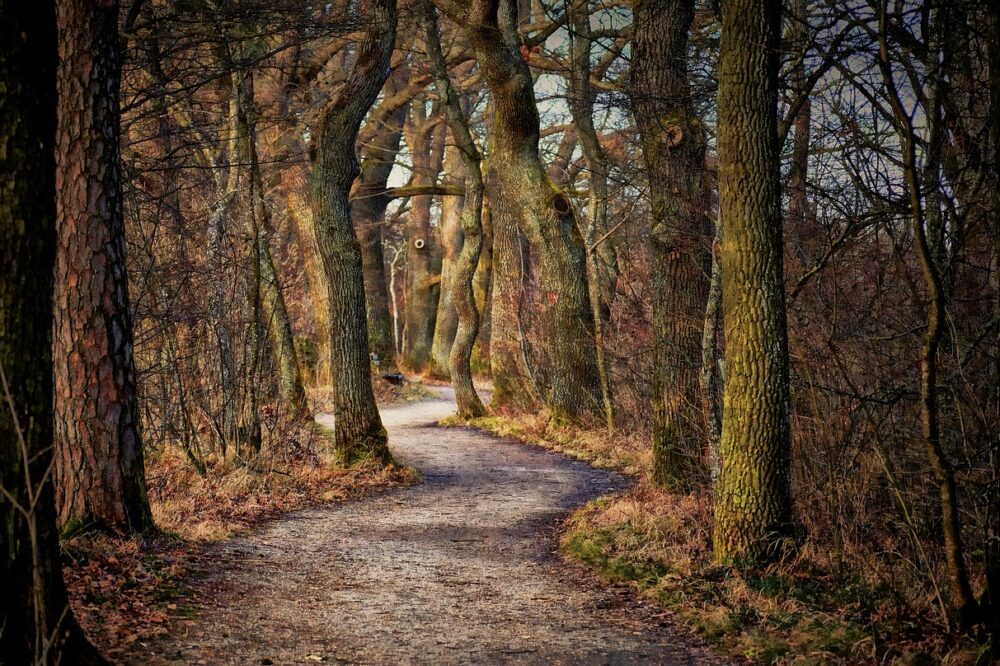
Spring in Barcelona transforms the surrounding landscapes into a hiker’s paradise. With wildflowers blooming, mild temperatures, and longer daylight hours, the months from March to June offer ideal conditions for exploring trails that range from coastal cliffs to lush Mediterranean forests. Whether you’re a seasoned trekker or a casual walker, knowing which routes deliver the best experience is key. This guide covers the top hiking trails near Barcelona in spring, with practical details on difficulty, access, and what to expect.
Table des matières:
Why Spring Is the Perfect Season for Hiking Near Barcelona
Barcelona’s proximity to both the Mediterranean Sea and the Collserola mountain range means diverse terrain is just a short trip away. Spring brings pleasant temperatures averaging 15–22°C (59–72°F), minimal rainfall compared to autumn, and vibrant green landscapes. Trails are less crowded than in summer, and the risk of heat exhaustion is low. Wildflowers like poppies, lavender, and rosemary add color and fragrance, making every hike a sensory delight.
Top 7 Best Hiking Trails Near Barcelona in Spring
1. Montserrat: The Iconic Mountain Monastery Trail
Montserrat, with its jagged rock formations and Benedictine monastery, is a must-visit. The most popular route is the Sant Jeroni summit trail, which offers panoramic views of Catalonia. Starting from the monastery, the hike is about 4.5 km one way with a 600-meter elevation gain. It takes 2–3 hours and is moderately challenging. Spring offers clear skies and fewer crowds, especially on weekdays. Bring water and sturdy shoes, as the path includes rocky sections and steps.
2. Garraf Natural Park: Coastal Cliffs and Mediterranean Views
Just 30 minutes south of Barcelona, Garraf Natural Park features limestone cliffs, pine forests, and hidden coves. The GR-92 coastal trail segment from Castelldefels to Sitges is a highlight. This 12 km linear route takes about 4 hours and is of moderate difficulty. In spring, the trail is dotted with yellow gorse and wild thyme. The views of the deep blue sea and rugged coastline are stunning. You can end in Sitges and enjoy a seaside meal.
3. Collserola Natural Park: The Green Lung of Barcelona
For a quick escape without leaving the city limits, Collserola Natural Park offers over 200 km of trails. The Carretera de les Aigües is a flat, 10 km gravel path that circles the park with panoramic views of Barcelona and the sea. It’s easy and suitable for beginners, families, or trail running. Spring brings blooming cherry trees and almond blossoms. Access is easy from the Tibidabo funicular or by bus.
4. Montseny Natural Park: Spring Waterfalls and Beech Forests
Montseny, a UNESCO Biosphere Reserve, is about an hour north of Barcelona. The Santa Fe to Sant Marçal trail (6 km, moderate) winds through ancient beech forests and past seasonal waterfalls. Spring is the best time to see the waterfalls at full flow, fed by melting snow. The trail is shaded and cool, with moss-covered rocks and ferns. It’s a 2.5-hour hike that feels like stepping into a fairytale.
5. Sant Llorenç del Munt i l’Obac: Rocky Peaks and Medieval Ruins
This natural park is known for its dramatic conglomerate rock formations. The La Mola summit trail (8 km round trip, moderate to difficult) leads to a 10th-century monastery at the top. The elevation gain is 450 meters, and the trail offers sweeping views of the interior. Spring wildflowers include rockroses and lavender. The path is well-marked but has steep sections. Allow 3–4 hours.
6. Costa Brava: Camí de Ronda from Tossa de Mar to Lloret de Mar
The Camí de Ronda is a historic coastal path that connects coves and beaches. The section from Tossa de Mar to Lloret de Mar is 12 km (moderate) and takes about 4 hours. In spring, the trail is less crowded, and the turquoise water contrasts with green vegetation. You’ll pass through pine forests, climb gentle hills, and discover hidden beaches. It’s a perfect blend of culture and nature.
7. Montjuïc: Urban Hiking with a View
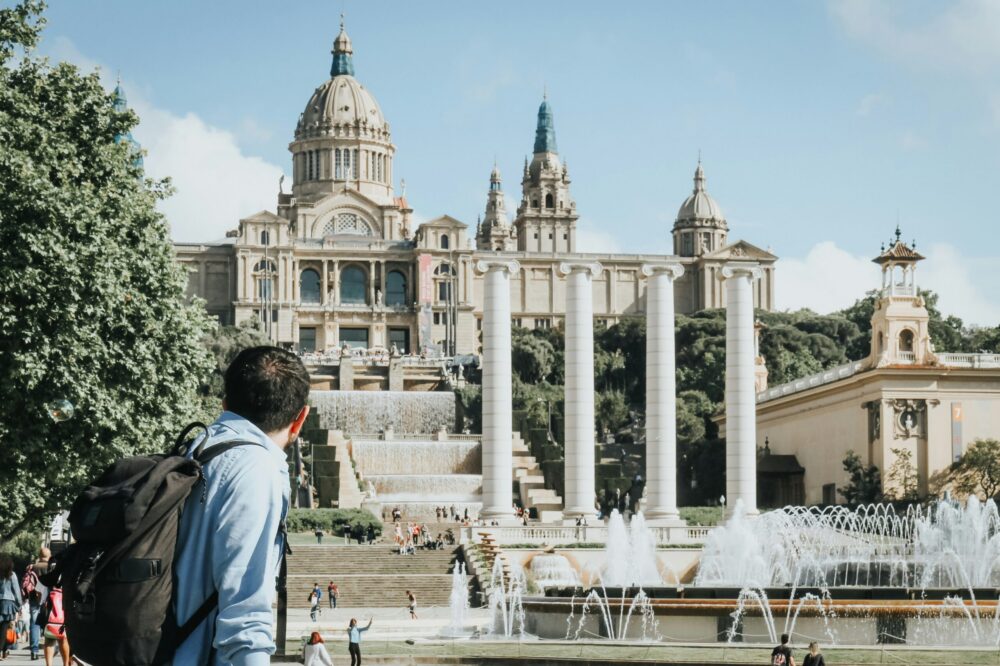
For a short, easy hike with cultural stops, Montjuïc hill offers several trails. The Jardí Botànic to Castell de Montjuïc loop (3 km, easy) passes through botanical gardens, the Olympic Stadium, and the castle. Spring brings blooming cacti and succulents in the gardens. It’s a great option for a half-day outing with family or for those short on time.
How to Choose the Right Trail: A Quick Comparison
| Trail | Difficulty | Distance (km) | Elevation Gain (m) | Best For |
|---|---|---|---|---|
| Montserrat – Sant Jeroni | Moderate | 9 (round trip) | 600 | Iconic views, monastery |
| Garraf – GR-92 coastal | Moderate | 12 | 200 | Coastal scenery, Sitges |
| Collserola – Carretera de les Aigües | Easy | 10 | 50 | City views, beginners |
| Montseny – Santa Fe to Sant Marçal | Moderate | 6 | 300 | Waterfalls, forests |
| Sant Llorenç – La Mola | Moderate to Difficult | 8 | 450 | Rock formations, ruins |
| Costa Brava – Camí de Ronda | Moderate | 12 | 250 | Coastal views, beaches |
| Montjuïc – Botanical loop | Easy | 3 | 100 | Urban hike, gardens |
Essential Hiking Checklist for Spring in Barcelona
Spring weather can be unpredictable, so preparation is key. Here’s what to pack:
- Layered clothing: A base layer, fleece, and waterproof jacket. Mornings can be cool, afternoons warm.
- Sturdy footwear: Hiking boots or trail runners with good grip for rocky paths.
- Sun protection: Sunglasses, hat, and SPF 30+ sunscreen. The sun is strong even in spring.
- Hydration: At least 1.5 liters of water per person. Some trails have no water sources.
- Snacks: Energy bars, fruit, nuts, or a packed lunch. Many trails lack facilities.
- Navigation: A map or GPS app like Wikiloc or AllTrails. Cell reception can be spotty.
- First aid kit: Blister plasters, antiseptic, pain relievers, and any personal medication.
- Extra items: Headlamp (if hiking late), whistle, and a small trash bag to leave no trace.
Practical Tips for Hiking Near Barcelona in Spring
Getting to the Trails
Most trails are accessible by public transport. For Montserrat, take the R5 train from Plaça Espanya to Montserrat-Aeri, then the cable car. For Garraf, the R2 Sud train stops at Castelldefels. Collserola is reachable by the Tibidabo funicular or bus 196. Montseny requires a bus from Barcelona to Santa Fe (check schedule). Sant Llorenç can be reached by train to Terrassa then bus. For Costa Brava, a bus to Tossa de Mar is available. Montjuïc is a short metro ride (Plaça Espanya).
Best Time of Day
Start early, around 8–9 AM, to avoid the midday heat and crowds. Spring afternoons can get warm, especially on exposed trails. Also, morning light is best for photography. Many trails have limited shade, so an early start is wise.
Safety Considerations
Spring trails can be muddy after rain. Check the weather forecast before heading out. Some trails have steep drop-offs, so stay on marked paths. Carry a fully charged phone, but don’t rely solely on it for navigation. Let someone know your route and expected return time.
Respecting Nature and Local Rules
Stay on designated trails to protect fragile flora. Wildflowers are beautiful but picking them is prohibited in natural parks. Dogs are allowed on most trails but must be leashed. Pack out all trash. Fires are strictly forbidden.
Common Mistakes to Avoid When Hiking Near Barcelona in Spring
- Underestimating the sun: Even on cool days, UV levels can be high. Always apply sunscreen.
- Wearing improper footwear: Sneakers with poor grip can lead to slips on rocky trails. Invest in proper hiking shoes.
- Ignoring trail markers: Some trails have faded or missing signs. Download a map beforehand.
- Carrying too much or too little water: Overhydration is rare, but dehydration is common. Use the guideline of 0.5 liters per hour of hiking.
- Not checking public transport schedules: Weekend and holiday schedules may differ. Plan your return trip in advance.
Frequently Asked Questions About Hiking Near Barcelona in Spring
What is the easiest hiking trail near Barcelona?
The Carretera de les Aigües in Collserola Natural Park is flat, well-maintained, and offers stunning views. It’s perfect for beginners, families, and those with limited time.
Are the trails safe for solo hikers?
Yes, most popular trails like Montserrat and Collserola are well-traveled and safe. However, always inform someone of your plans, carry a phone, and stick to marked paths.
Can I hike with my dog?
Dogs are allowed on most trails but must be kept on a leash, especially in natural parks. Check specific park regulations before you go.
Do I need to book tickets for Montserrat trails?
Access to the trails is free, but you may need to book tickets for the cable car or rack railway in advance, especially on weekends and holidays.
What should I do if I encounter wildlife?
You might see wild boars, goats, or snakes. Keep your distance, do not feed them, and slowly back away. Most animals are shy and will avoid you.
Is spring the best season for hiking near Barcelona?
Spring is widely considered the best season due to mild temperatures, blooming flora, and lower crowds compared to summer. Autumn is also good, but spring offers more vibrant greenery.
Final Thoughts on Hiking Near Barcelona in Spring
Exploring the best hiking trails near Barcelona in spring rewards you with unforgettable scenery, fresh air, and a deeper connection to Catalonia’s natural beauty. From the spiritual heights of Montserrat to the coastal charm of the Camí de Ronda, each trail offers a unique experience. By preparing properly and respecting the environment, you’ll create lasting memories. So lace up your boots, grab your water bottle, and head out to enjoy the vibrant trails that await just beyond the city.

Great article! I’m planning a trip in early April. Which of these trails would you recommend for a beginner hiker who is reasonably fit but doesn’t have much experience with steep climbs?
For a beginner, the Carretera de les Aigües in Collserola is perfect. It’s flat, well-maintained, and offers great views without any technical difficulty. Another good option is the GR-92 coastal segment from Castelldefels to Sitges, though it’s longer. Start early to avoid the heat.
Are dogs allowed on these trails? I’d love to bring my pup along.
Yes, dogs are generally allowed on most trails, but keep them on a leash, especially in natural parks like Montserrat and Garraf. Collserola and Montseny also permit dogs, but check for any seasonal restrictions. Always bring water for your dog and clean up after them.
I’m worried about ticks in spring. Should I take any precautions?
Good point. Ticks can be active in spring, especially in grassy or wooded areas. Wear long pants, tuck them into your socks, and use insect repellent. After hiking, check yourself and your gear. Stick to the center of trails and avoid brushing against vegetation.
Thanks for the detailed guide! I’m particularly interested in the Montserrat Sant Jeroni summit trail. How early should I start to avoid crowds on a weekend in May?
To beat the crowds, aim to start the hike by 8:00 AM. The first train from Barcelona to Montserrat departs around 8:30 AM, so arriving by car earlier helps. Weekends in May can be busy, but starting early ensures you’ll have the summit to yourself.
This is really helpful. I was wondering about parking near the Garraf trailhead. Is it easy to find a spot in spring?
Parking near the Garraf trailhead can be limited, especially on sunny weekends. There’s a small lot near the Castelldefels beach area, but it fills up quickly. Consider taking the train to Castelldefels station and walking to the start, or go on a weekday for easier access.
Do any of these trails have water fountains along the way? I want to minimize what I carry.
Most trails don’t have reliable water sources. In Montserrat, there are fountains near the monastery but not on the trail. Collserola’s Carretera de les Aigües has a few spots, but it’s best to carry at least 1 liter per person. For Montseny, streams are seasonal, so don’t rely on them. Always bring your own water.