
Table des matières:
Understanding the Local Culture in Toulouse: More Than Just a Pink City
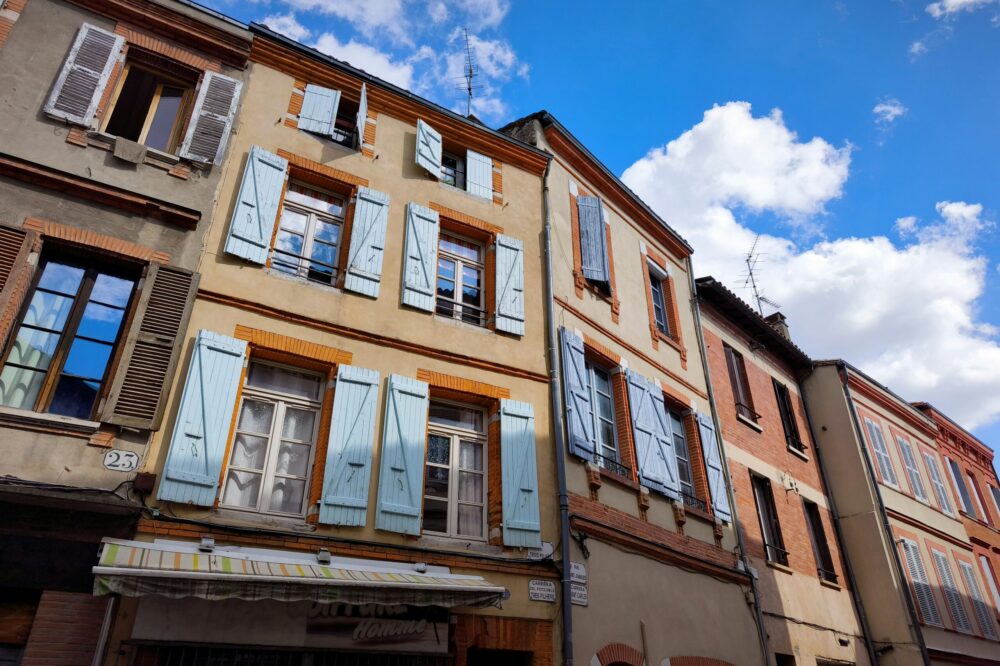
Toulouse, often called La Ville Rose for its terracotta brick architecture, offers a local culture that blends deep historical roots with a vibrant, modern lifestyle. If you’re wondering what is the local culture like in Toulouse, expect a unique mix of Occitan heritage, a strong sense of community around food and rugby, and a relaxed but ambitious spirit. This guide unpacks the key elements that define daily life in southwestern France’s largest city.
The Occitan Soul: Language, Music, and Traditions
Toulouse sits at the heart of Occitania, a region with its own language and cultural identity. While French is the primary language, Occitan (or Langue d’Oc) still echoes in place names, local expressions, and traditional songs. Festivals like Estivada celebrate Occitan culture with music, dance, and storytelling. You’ll hear Occitan in some market stalls or during the Félibrée, a regional folklore event. This linguistic heritage gives Toulouse a distinct character that sets it apart from northern France.
How Occitan Influences Daily Life
Occitan words like adieu (goodbye) and pitchoun (little one) are common. Street signs in the historic center often appear in both French and Occitan. The local accent, with its rolling ‘r’ and relaxed intonation, is another marker of identity. Even the city’s nickname, La Ville Rose, comes from the Occitan word ros meaning red or pink.
Gastronomy: The Heart of Toulouse Social Life
Food in Toulouse is not just fuel—it’s a social ritual. The local cuisine is hearty, rustic, and centered on duck, pork, and beans. The signature dish is cassoulet, a slow-cooked casserole of white beans, sausage, and duck confit. Foie gras and magret de canard are staples, often paired with wines from the surrounding Fronton or Gaillac vineyards. Markets like Marché Victor Hugo are bustling hubs where locals shop and gossip. Sunday lunch is sacred, often lasting two to three hours with family or friends.
Must-Try Local Specialties
- Cassoulet – the iconic bean and meat stew
- Saumon fumé de la Garonne – smoked salmon from the Garonne river (though rare now)
- Fénétra – a local pastry with lemon and candied fruit
- Violette de Toulouse – violet-flavored candies, syrups, and liqueurs
Rugby: More Than a Sport, a Religion
If you ask a Toulousain what defines the local culture, rugby will likely be near the top of the list. Stade Toulousain is one of the most successful rugby clubs in Europe, and match days at Stade Ernest-Wallon are electric. The city breathes rugby: children play in parks, bars broadcast games, and the team’s red and black colors are everywhere. Rugby in Toulouse represents values of solidarity, grit, and regional pride—much like the city itself.
Rugby Culture Tips for Visitors
- Attend a home game if possible—tickets sell out fast.
- Visit the Musée du Rugby to learn about the sport’s history in the region.
- Join locals at a troisième mi-temps (third half) at a bar near the stadium.
The Art de Vivre: A Balanced Pace of Life
Toulousains value a balanced lifestyle. The city’s size—large enough to offer opportunities, small enough to avoid the frenzy of Paris—fosters a relaxed pace. Cafés along the Garonne river, the sprawling Jardin des Plantes, and the lively Place du Capitole are gathering spots for people-watching, reading, or chatting. The concept of apéritif (pre-dinner drinks with snacks) is a daily ritual. Work-life balance is taken seriously; many shops close for a long lunch, and weekends are for leisure.
Architecture and Urban Identity
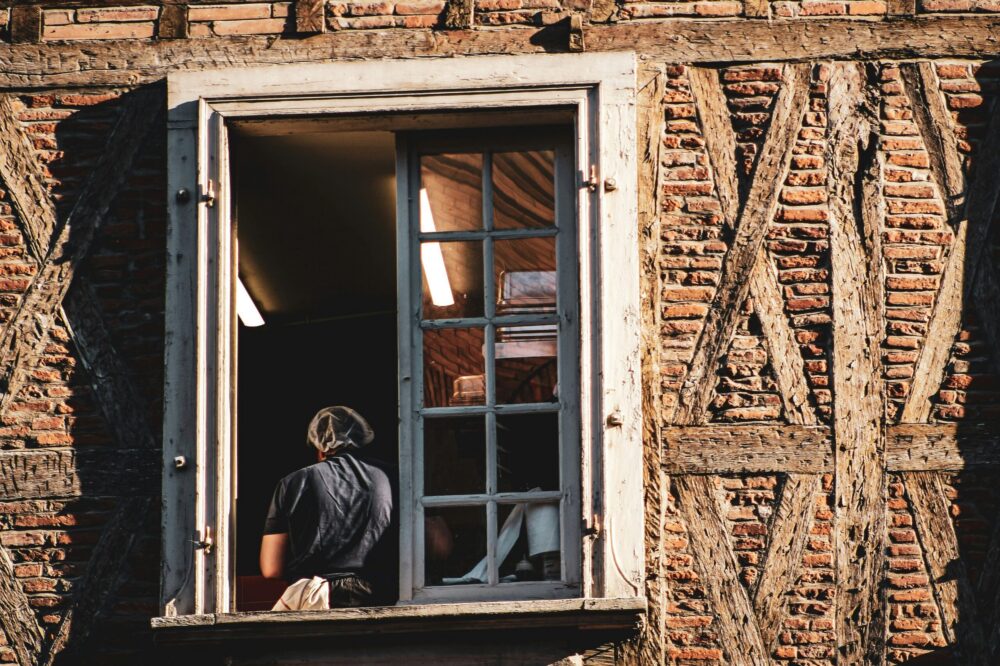
The local culture is also shaped by the city’s unique architecture. The pink brick used in buildings like the Capitole, Basilique Saint-Sernin, and Couvent des Jacobins gives Toulouse a warm, cohesive look. This architectural style influences everything from public spaces to private homes. The Canal du Midi, a UNESCO World Heritage site, offers a green corridor for walking, cycling, and boating, reflecting the city’s love for outdoor living.
Festivals and Events: A Year-Round Celebration
Toulouse’s cultural calendar is packed. Printemps de Septembre (contemporary art), Rio Loco (world music), and Fête de la Musique (June 21) draw crowds. The Marché de Noël in December transforms the Capitole square into a festive village. These events highlight the city’s openness to global influences while preserving local traditions.
Top Annual Events


| Event | Month | Focus |
|---|---|---|
| Rio Loco | June | World music |
| Printemps de Septembre | September-October | Contemporary art |
| Les Hivernales du Doc | November | Documentary film |
| Marché de Noël | December | Christmas market |
Practical Checklist for Immersing in Toulouse’s Culture
- Learn a few Occitan phrases: Adieu-siatz (hello), Mercés (thank you).
- Visit a local market: Marché Victor Hugo or Marché des Carmes.
- Try cassoulet at a traditional cassoulet restaurant like Chez Émile.
- Attend a Stade Toulousain rugby match or watch at a sports bar.
- Stroll along the Garonne riverbanks at sunset.
- Explore the Capitole and its iconic square.
Common Misconceptions About Toulouse’s Culture
Some visitors expect Toulouse to be a smaller version of Paris, but it’s not. The local culture is more laid-back and provincial, with a strong independent streak. Another misconception is that everyone speaks English—while younger locals often do, knowing basic French (or Occitan) goes a long way. Also, don’t assume the cuisine is heavy all year; summer brings lighter dishes like grilled fish and salads.
Frequently Asked Questions About the Local Culture in Toulouse
Is Toulouse a friendly city for foreigners?
Yes, Toulousains are generally warm and welcoming. The city has a large student population and a growing expat community, so you’ll find many international events and groups. Making an effort to speak French is appreciated.
What is the nightlife like in Toulouse?
The nightlife is vibrant but not overwhelming. The Place Saint-Pierre area is popular with students, while the Capitole and Carmes districts offer more refined bars and clubs. The city also has a lively jazz and electronic music scene.
How does Toulouse’s culture differ from Paris?
Toulouse is more relaxed, less formal, and more affordable. People greet each other more casually, and the pace of life is slower. The local accent, food, and rugby obsession are distinct markers that set it apart.
What are the best ways to experience local culture as a tourist?
Stay in the city center, visit markets, eat at bistrots rather than tourist traps, and attend a local festival. Walking tours focusing on architecture or Occitan history are also excellent.
Is the local culture family-oriented?
Absolutely. Parks, playgrounds, and family-friendly restaurants are abundant. Sunday outings with children are common, and many cultural events include activities for kids.
What role does religion play in Toulouse’s culture?
Historically Catholic, the city is now largely secular, though religious festivals like Easter processions still occur. The Basilique Saint-Sernin is a major pilgrimage site on the Way of St. James.
Embracing the Pink City’s Unique Cultural Tapestry
To understand what is the local culture like in Toulouse, you must experience it firsthand: taste the cassoulet, cheer at a rugby match, stroll the pink-brick streets, and linger over an apéritif. The local culture in Toulouse is a living, breathing entity that welcomes visitors while proudly preserving its Occitan roots. Whether you’re planning a visit or considering relocation, the city’s warm, convivial spirit will leave a lasting impression.
Photo by Filipe Nobre on Unsplash
I’m planning a trip to Toulouse and was wondering about the local language. Is Occitan widely spoken, or will I only hear French?
Great question! While French is the main language, Occitan is still present in place names, local expressions, and cultural events. You might hear it at markets or festivals, but you’ll get by fine with French or even English in tourist areas.
The article mentions violet-flavored treats. Can you recommend a shop where I can try violette liqueur or candies?
Absolutely! For violet-flavored specialties, head to La Maison de la Violette or the Marché Victor Hugo. They sell candies, syrups, and liqueurs. Also, many patisseries offer violet macarons.
I’m not a rugby fan. Will I still enjoy Toulouse’s culture, or is rugby too dominant?
Definitely! Rugby is a big part of local identity, but Toulouse offers much more: rich history, excellent food, vibrant markets, and a lively arts scene. You’ll find plenty to enjoy without attending a match.
What’s the best way to experience the Occitan culture as a visitor? Are there specific festivals or neighborhoods?
To dive into Occitan culture, visit during the Estivada festival (usually July) for music and dance. Also, explore the historic center where street signs are bilingual. The Carmes neighborhood is great for a local feel.
The article says Sunday lunch is sacred. Are restaurants open on Sundays for a traditional cassoulet?
Yes, many traditional restaurants are open for Sunday lunch, but it’s wise to book ahead. For an authentic experience, try Le Colombier or Chez Émile. Some markets like Marché Victor Hugo are also open on Sunday mornings.
I’m a vegetarian. Will I struggle with Toulouse’s hearty meat-based cuisine?
Toulouse’s cuisine is indeed meat-heavy, but many restaurants offer vegetarian options, especially in the city center. Look for places serving aligot (cheesy mashed potatoes) or vegetable tarts. Markets also have fresh produce for self-catering.
How do locals typically spend a weekend in Toulouse? I want to experience it like a resident.
A typical weekend might start with a market visit (Victor Hugo or Saint-Cyprien), followed by a long lunch. Afternoons could include a stroll along the Garonne or a visit to a museum. Evenings often involve an apéritif at a café, and if it’s rugby season, watching a match.
The article mentions the local accent. Is it hard to understand for someone learning French?
The Toulouse accent is generally clear and not too strong. You might notice a rolled ‘r’ and a more relaxed tone, but it’s easy to follow. Locals are used to non-native speakers and will adjust their pace if needed.