
Last updated on May 3rd, 2026 at 10:40 pm
Table des matières:
Why Spring Allergies Hit Hard in Barcelona
Barcelona’s Mediterranean climate and abundant green spaces make it a hotspot for spring allergies. The city’s main culprits are plane trees (platanus), olive trees, grasses, and parietaria weed. Pollen counts peak from March to June, with plane trees releasing millions of tiny pollen grains that can travel kilometers. If you live in or visit Barcelona during spring, you’ve likely experienced itchy eyes, sneezing, or a runny nose. The good news: you can take effective steps to minimize exposure and manage symptoms.
When Is Pollen Season in Barcelona?
Pollen seasons vary by plant type. Here’s a quick timeline:
| Plant | Peak Pollen Months |
|---|---|
| Plane trees (Platanus) | March – April |
| Olive trees | April – May |
| Grasses (Poaceae) | May – June |
| Parietaria (wall pellitory) | March – October |
Check daily pollen forecasts from the Catalan Aerobiology Network (XAC). On high-pollen days, plan indoor activities.
Top 10 Practical Tips to Avoid Spring Allergies in Barcelona
1. Monitor Pollen Counts Daily
Use apps like Pollen.com or the official XAC website. In Barcelona, pollen levels are often highest between 10 a.m. and 4 p.m. and on windy days. Avoid outdoor exercise during these times.
2. Keep Windows Closed
Pollen easily enters homes. Keep windows shut, especially in the morning and on windy days. Use air conditioning with a clean HEPA filter instead. If you must ventilate, do it briefly after rain when pollen is washed away.
3. Shower and Change Clothes After Being Outdoors
Pollen sticks to hair, skin, and clothing. Shower before bed to avoid bringing pollen into your bedding. Wash your hands and face after coming inside. Change into clean clothes when you get home.
4. Use a HEPA Air Purifier Indoors
Place a HEPA purifier in your bedroom and living area. It can remove up to 99.97% of airborne pollen particles. Keep doors closed to maximize effectiveness.
5. Wear Sunglasses and a Hat
Sunglasses protect your eyes from pollen. A wide-brimmed hat prevents pollen from settling in your hair. Consider a face mask (N95 or KN95) on high-pollen days – it filters out pollen effectively.
6. Avoid Certain Parks and Streets
Barcelona’s most allergy-triggering spots include Passeig de Gràcia and Parc de la Ciutadella, lined with plane trees. Instead, opt for seaside areas like Barceloneta beach or Montjuïc hill (though olive trees there can be problematic). Check local allergy maps for real-time advice.
7. Rinse Your Nasal Passages
Use a saline nasal spray or neti pot to flush pollen out of your nasal passages. This reduces inflammation and mucus buildup. Do it after coming home or before bed.
8. Start Medications Early
If you know you’re allergic, begin taking antihistamines or using nasal corticosteroids two weeks before pollen season starts. This prevents the allergic cascade. Consult your doctor for the best option – common ones include cetirizine, loratadine, or fexofenadine.
9. Dry Clothes Indoors
Avoid hanging laundry outside to dry – pollen will cling to your clothes. Use a dryer or an indoor drying rack.
10. Consider Immunotherapy
For severe allergies, allergy shots (subcutaneous immunotherapy) or sublingual tablets can desensitize your immune system. Treatment usually lasts 3–5 years and significantly reduces symptoms. Ask an allergist in Barcelona about options.
Common Mistakes That Worsen Spring Allergies
- Opening windows to “air out” the house – This lets pollen inside. Only ventilate after rain or when pollen counts are low.
- Exercising outdoors during peak hours – Morning and early afternoon are worst. Go for a run at dawn or late evening.
- Not changing air filters – Car and home AC filters trap pollen. Change them every 3 months.
- Relying only on over-the-counter meds – They help symptoms but don’t prevent exposure. Combine with avoidance tactics.
What to Do If Symptoms Persist
If your allergy symptoms interfere with daily life, see an allergist. They can perform skin prick tests to identify specific triggers. In Barcelona, you can find specialists at Hospital Clínic or Hospital de la Vall d’Hebron. Treatments include prescription antihistamines, nasal sprays, eye drops, and immunotherapy. Don’t suffer in silence – effective solutions exist.
FAQ
1. What trees cause the most allergies in Barcelona?
Plane trees (platanus) are the main culprit, followed by olive trees, cypress, and parietaria weed. Plane trees line many streets and release large amounts of pollen.
2. Is spring allergy season getting worse in Barcelona?
Yes, due to climate change, pollen seasons are starting earlier and lasting longer. Warmer temperatures also increase pollen production. Staying informed and proactive is key.
3. Can I still enjoy outdoor activities in Barcelona during spring?
Absolutely. Choose low-pollen areas like the beach or parks without plane trees. Go after rain, wear protective gear, and take antihistamines beforehand. Plan indoor alternatives for high-pollen days.
4. Are there natural remedies that work?
Saline rinses, local honey (though evidence is weak), and quercetin supplements may help some people. But they are not substitutes for medical treatment. Always consult a doctor first.
5. How do I check the pollen forecast in Barcelona?
Visit the Xarxa Aerobiològica de Catalunya (XAC) website or use their app. Many weather apps also include pollen data. Look for “polen” or “al·lèrgia” in Spanish or Catalan.
6. What should I do if I have an asthma attack from allergies?
Use your rescue inhaler immediately. If symptoms don’t improve, seek emergency care. People with allergic asthma should always carry their inhaler and have an action plan.
Final Thoughts
Spring allergies in Barcelona are manageable with the right strategy. By monitoring pollen counts, modifying your daily habits, and seeking medical advice when needed, you can enjoy the city’s beautiful spring without constant sneezing. Start preparing before the season begins, and remember: small changes make a big difference. Breathe easier and explore Barcelona with confidence.
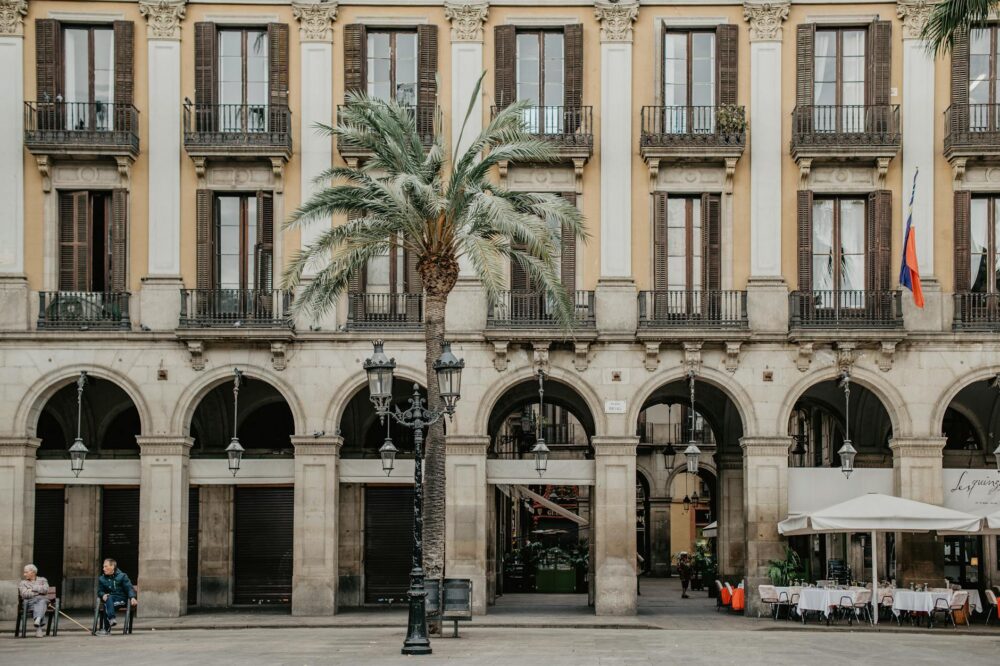
Photo by Nadin Romanova on Pexels


Great guide! I live near Parc de la Ciutadella and suffer every spring. Do you have any specific advice for people living right next to plane trees?
Living near plane trees is tough. In addition to keeping windows closed and using a HEPA air purifier, consider installing fine mesh screens on windows to reduce pollen entry. Shower immediately after coming home, and avoid opening windows when the trees are in full bloom (March-April).
Is it true that sea breezes help reduce pollen near the coast? I was thinking of moving closer to Barceloneta.
Yes, sea breezes can help disperse pollen, so coastal areas like Barceloneta generally have lower counts than inland spots. However, wind can also blow pollen around, so check daily forecasts. Moving closer to the beach may reduce exposure, but you’ll still need to take precautions on high-pollen days.
I use a neti pot but I’m not sure how often to rinse during allergy season. Any recommendations?
Rinsing once or twice daily is usually sufficient—once after coming home and once before bed. Over-rinsing can irritate nasal passages. Use distilled or boiled water, and follow the device’s instructions. If symptoms persist, consult a doctor.
What about air purifiers? Do they really help with plane tree pollen specifically?
Yes, HEPA air purifiers are effective against plane tree pollen because they capture particles as small as 0.3 microns. Place the purifier in the room where you spend the most time (like the bedroom) and keep doors closed. Look for a CADR (clean air delivery rate) suitable for your room size.
Thanks for this! I didn’t know about the Catalan Aerobiology Network. I’ll start checking their forecasts.
You’re welcome! The XAC website provides daily pollen levels for Barcelona and other cities. Bookmark it and check in the morning to plan your day. On high-pollen days, opt for indoor activities and follow the tips in the guide to stay comfortable.