
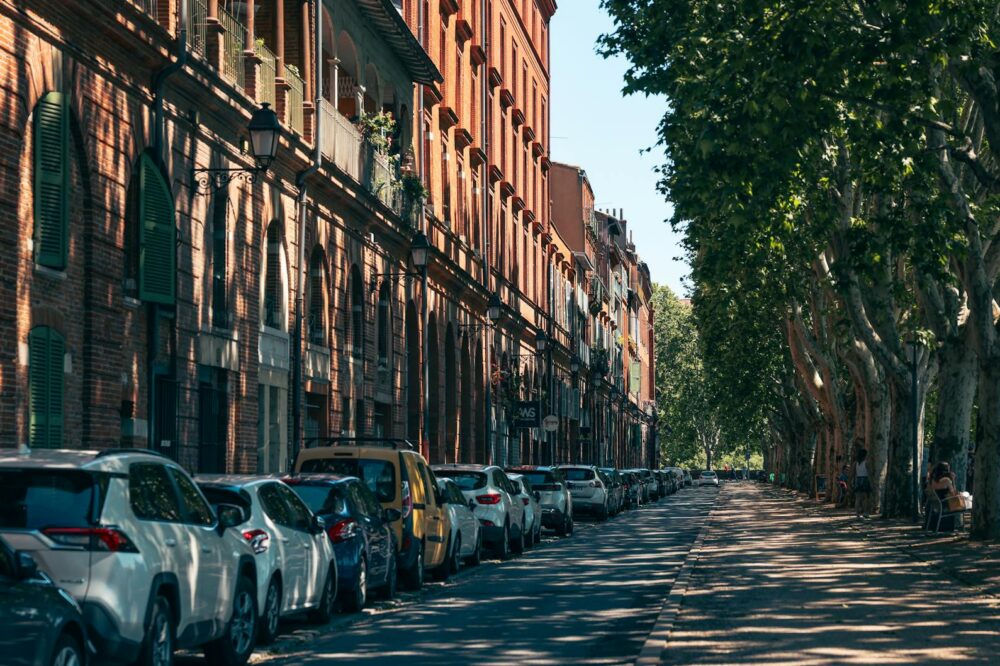
Toulouse, often called the Pink City due to its distinctive terracotta brick architecture, is a vibrant metropolis in southwestern France. Whether you’re a first-time visitor or a seasoned traveler, knowing the best neighborhoods to explore in Toulouse can transform your trip. Each quartier has its own personality, from medieval lanes to modern art hubs. In this guide, we’ll dive into the top districts, highlighting what makes each unique and why they deserve a spot on your itinerary.
Table des matières:
Why Toulouse’s Neighborhoods Are Worth Exploring
Toulouse’s neighborhoods are more than just residential areas; they are living museums of history, culture, and local life. The city’s layout reflects its evolution from a Roman settlement to a European aerospace capital. Exploring these districts allows you to experience the authentic pulse of Toulouse, from bustling markets to quiet squares. Whether you’re interested in architecture, gastronomy, or nightlife, there’s a neighborhood that caters to your interests.
Capitole: The Historic Heart of Toulouse
The Capitole neighborhood is the epicenter of Toulouse’s history and civic life. Dominated by the magnificent Place du Capitole, this area is a must-visit for any traveler. The square is surrounded by elegant arcades and cafes, making it a perfect spot for people-watching. The Capitole itself houses the city hall and the Théâtre du Capitole, a renowned opera house. Here, you can explore the Donjon du Capitole and learn about the city’s past as the capital of the Languedoc region.
Key Attractions in Capitole
- Place du Capitole: The heart of the city, featuring a huge Occitan cross in the pavement.
- Théâtre du Capitole: A historic opera house with a rich program of performances.
- Rue du Taur: A lively street leading to the Basilica of Saint-Sernin, lined with shops and restaurants.
- Tourist Office: Located in the square, offering maps and guided tours.
This neighborhood is also a great starting point for exploring other areas, as it’s well-connected by metro and bus. The Capitole district is ideal for those who want to be in the center of the action.
Saint-Cyprien: The Bohemian Riverside
Across the Garonne River lies Saint-Cyprien, a neighborhood known for its artistic vibe and multicultural atmosphere. Once a working-class district, it has transformed into a trendy area with galleries, vintage shops, and hip cafes. The Marché des Carmes is a highlight, offering fresh produce and local specialties every morning. Saint-Cyprien is also home to the Abattoirs Museum, a contemporary art center housed in a former slaughterhouse.
What to Do in Saint-Cyprien
- Stroll along the Quai de la Daurade for scenic river views and sunset vistas.
- Visit the Jardin Raymond VI, a peaceful park with a Japanese garden.
- Explore the Rue de la République for unique boutiques and artisan shops.
- Enjoy a coffee at one of the many bohemian cafes like Le Saint Cyprien.
Saint-Cyprien is perfect for those who love art, food, and a relaxed atmosphere. It’s also a great base for exploring the left bank of the Garonne.
Carmes: Gourmet Paradise and Market Life
The Carmes neighborhood is a food lover’s dream. Centered around the Marché des Carmes, this area is filled with restaurants, bistros, and specialty food shops. The market itself is one of the largest in Toulouse, offering everything from fresh seafood to artisanal cheeses. Beyond the market, Carmes boasts narrow streets with beautiful townhouses and hidden squares like Place de la Trinité.
Top Experiences in Carmes
- Marché des Carmes: Visit on Saturday mornings for the full experience.
- Rue de la Colombette: A lively street with many organic and gluten-free options.
- Place de la Trinité: A charming square with a fountain and outdoor seating.
- Musée des Augustins: An art museum housed in a former Augustinian convent, featuring sculptures and paintings.
Carmes is ideal for foodies and those who appreciate a lively, local atmosphere. It’s also a great area to stay in if you want easy access to both the city center and the river.
Le Busca: Residential Charm with Green Spaces
Le Busca is a quieter, residential neighborhood located between the city center and the Côte Pavée area. It’s known for its beautiful 19th-century mansions and the expansive Jardin des Plantes, a botanical garden perfect for a leisurely stroll. This district offers a more authentic, less touristy experience of Toulouse.
Highlights of Le Busca
- Jardin des Plantes: A large park with a pond, greenhouses, and walking paths.
- Rue de la Fonderie: A street with many small shops and cafes.
- Place de la Salinière: A quiet square with a market on Sundays.
- Musée Georges Labit: A museum of Asian and Egyptian art, set in a beautiful villa.
Le Busca is perfect for families or anyone seeking a peaceful retreat after a day of sightseeing. It’s also close to the university area, so it has a youthful energy.
Saint-Étienne: Elegant and Cultural
Saint-Étienne is an upscale neighborhood centered around the Cathedral of Saint-Étienne. This area is known for its grand architecture, art galleries, and antique shops. The cathedral itself is a mix of Romanesque and Gothic styles, and its interior is stunning. Nearby, the Musée Saint-Raymond offers a collection of Roman artifacts.
What to See in Saint-Étienne
- Cathedral of Saint-Étienne: A masterpiece with beautiful stained glass windows.
- Musée Saint-Raymond: An archaeology museum with artifacts from the Roman era.
- Rue de la Dalbade: A street lined with antique dealers and art galleries.
- Place Saint-Étienne: A quiet square with a fountain and cafes.
Saint-Étienne is ideal for culture lovers and those who appreciate refined surroundings. It’s a less crowded alternative to the Capitole area.
Jean Jaurès: The Vibrant Transport Hub
Jean Jaurès is a bustling area around the main square of the same name, which is a major transport interchange. This neighborhood is lively, with many shops, cinemas, and restaurants. It’s a great place to experience the daily life of Toulouse residents. The Place Jean Jaurès is a large square with a statue of the socialist leader, and it’s often used for events and markets.
Activities in Jean Jaurès
- Place Jean Jaurès: The hub of the neighborhood, with metro and bus connections.
- Rue d’Alsace-Lorraine: A major shopping street with department stores and boutiques.
- Cinéma ABC: An independent cinema showing art-house films.
- Marché de la Place Jean Jaurès: A weekly market on Sundays.
Jean Jaurès is convenient for travelers who want to be close to public transportation and enjoy a dynamic urban environment. It’s also a good base for exploring the city’s east side.
Esquirol: The Heart of the Left Bank
Esquirol is a lively neighborhood on the left bank of the Garonne, near the Pont Neuf. It’s known for its bustling market, Marché de la Place Esquirol, and its many cafes and restaurants. The square itself is a popular meeting point, with a fountain and a statue of the French philosopher Pierre Larousse. This area is a mix of residential and commercial, offering a genuine Toulouse experience.
Why Visit Esquirol
- Place Esquirol: A vibrant square with a market on Wednesday and Saturday mornings.
- Rue de la Pomme: A pedestrian street with shops and eateries.
- Pont Neuf: The oldest bridge in Toulouse, connecting Esquirol to the city center.
- Hôtel d’Assézat: A Renaissance mansion housing the Fondation Bemberg, an art museum.
Esquirol is perfect for those who want to be on the left bank, close to Saint-Cyprien and the river, but with easy access to the city center via the bridge.
Les Chalets: Quiet and Residential
Les Chalets is a peaceful residential neighborhood located just north of the city center. It’s known for its beautiful 19th-century houses, tree-lined streets, and small gardens. This area is popular among families and professionals who want a quiet retreat within the city. The Jardin du Grand Rond is a lovely park nearby, perfect for a relaxing walk.
Features of Les Chalets
- Rue des Chalets: The main street, with charming houses and a few shops.
- Jardin du Grand Rond: A circular park with a bandstand and playground.
- Place de la Bourse: A small square with a market on Tuesday and Friday mornings.
- Musée du Vieux Toulouse: A museum dedicated to the history of Toulouse, housed in a 16th-century building.
Les Chalets is ideal for those who prefer a calm environment but still want to be within walking distance of the city center. It’s also close to the Canal du Midi, offering scenic walks.
Compans-Caffarelli: Modern and Green
Compans-Caffarelli is a modern neighborhood built around the Jardin Compans-Caffarelli, a large park with a Japanese garden and a lake. This area is home to many businesses and government buildings, as well as the Musée des Abattoirs (though technically in Saint-Cyprien, it’s right on the border). The neighborhood offers a contemporary contrast to the historic center.
Things to Do in Compans-Caffarelli
- Jardin Compans-Caffarelli: A beautiful park with a Japanese garden, perfect for picnics.
- Place de la Légion d’Honneur: A modern square with a fountain and sculptures.
- Allées Charles de Fitte: A wide avenue with shops and restaurants.
- Stade Ernest-Wallon: The rugby stadium, home to Stade Toulousain.
Compans-Caffarelli is great for those who enjoy modern architecture and green spaces. It’s also a convenient area for business travelers.
Conclusion: Choosing Your Perfect Neighborhood in Toulouse
Toulouse’s neighborhoods each offer a distinct flavor, from the historic allure of Capitole to the bohemian charm of Saint-Cyprien. When deciding which area to explore, consider your interests: history lovers should head to Capitole or Saint-Étienne, foodies will adore Carmes, and those seeking tranquility will find it in Le Busca or Les Chalets. No matter which neighborhood you choose, you’ll discover the warmth of Toulouse’s culture and the beauty of its pink brick streets. So, pack your walking shoes and get ready to explore the best neighborhoods in Toulouse!
Photo by TBD Traveller on Pexels



I’m planning a trip to Toulouse and this guide is super helpful. Which neighborhood would you recommend for someone who loves street art and a more alternative vibe?
Saint-Cyprien is perfect for you! It’s known for its artistic and bohemian atmosphere, with galleries, vintage shops, and hip cafes. The Abattoirs contemporary art museum and the street art along the quays are highlights.
Great article! I’m a foodie and I see Carmes is mentioned as a gourmet paradise. Is the Marché des Carmes open daily?
Yes, the Marché des Carmes is open daily from early morning until around 1 PM, but the best experience is on Saturday mornings when it’s at its busiest with the widest selection of produce.
We’re traveling with kids. Which neighborhood is most family-friendly with parks and quieter streets?
Le Busca is ideal for families. It’s a quiet residential area with the beautiful Jardin des Plantes botanical garden, which has a playground and plenty of space for children to run around. It’s also less crowded than the city center.
I’m interested in history and architecture. Should I focus on Capitole, or are there other neighborhoods with historic charm?
Capitole is definitely a must for history lovers, but don’t miss Saint-Sernin neighborhood around the basilica, and the medieval streets in the Carmes area. Each has unique architecture and historical landmarks.
This guide mentions Saint-Cyprien as bohemian. Is it also good for nightlife?
Saint-Cyprien has a relaxed vibe with some nice bars and cafes, but for livelier nightlife, you might prefer the bars and clubs around Place Saint-Pierre and the rue du Taur in the Capitole area.
I’ll be in Toulouse for just one day. Which neighborhood should I prioritize?
If you have only one day, start at Capitole to see the main square and the opera house, then walk to Saint-Sernin. In the afternoon, cross the river to Saint-Cyprien for a market visit and river views. That gives you a good mix of history and local life.
Are there any neighborhoods that are particularly good for shopping, beyond the usual tourist stores?
For unique boutiques and artisan shops, head to Saint-Cyprien’s Rue de la République and the streets around Carmes. For more mainstream shopping, the area around Rue d’Alsace-Lorraine in Capitole has many chain stores.
I’m a solo traveler and prefer quiet, safe areas. Is Le Busca a good choice for accommodation?
Absolutely, Le Busca is safe, quiet, and residential, with easy access to the city center via metro. It’s a great base for exploring without the noise of tourist crowds.