
Table des matières:
Exploring France’s Premier Wine Destinations
France is synonymous with wine, offering some of the world’s most celebrated vineyards and wine regions. For wine enthusiasts planning a wine tasting tour, choosing the right city is essential. The best cities in France for a wine tasting tour combine historic charm, renowned wineries, and exceptional gastronomy. Whether you prefer bold reds from Bordeaux or elegant whites from Burgundy, each city provides a unique gateway to France’s viticultural heritage. This guide highlights the top destinations for an unforgettable oenology experience.
Bordeaux: The Capital of Wine
Bordeaux is arguably the most famous wine city in France, home to prestigious appellations like Médoc, Saint-Émilion, and Pomerol. The city itself boasts the Cité du Vin, an immersive wine museum, and numerous wine bars for tasting. A wine tour in Bordeaux often includes visits to grand châteaux, where you can sample Cabernet Sauvignon and Merlot blends. The city’s historic center, a UNESCO World Heritage site, adds architectural beauty to your tasting journey.
Top Wineries Near Bordeaux
- Château Margaux – A First Growth estate producing exceptional reds.
- Château Haut-Brion – The oldest Grand Cru Classé in Bordeaux.
- Château Cheval Blanc – Renowned for its Saint-Émilion wines.
Beyond the châteaux, Bordeaux’s wine routes offer scenic drives through vineyards, with opportunities to taste lesser-known appellations like Graves and Sauternes for sweet wines.
Burgundy: The Heart of Pinot Noir and Chardonnay
Burgundy (Bourgogne) is a must-visit for lovers of Pinot Noir and Chardonnay. The city of Dijon serves as the gateway to the Côte d’Or, where some of the world’s most expensive and sought-after wines are produced. Burgundy’s wine culture is deeply rooted in terroir, with each vineyard (climat) having its own identity. Wine tasting tours here often include cellar visits in villages like Gevrey-Chambertin, Meursault, and Chablis.
Key Wine Villages in Burgundy
- Gevrey-Chambertin – Known for powerful, age-worthy reds.
- Meursault – Famous for rich, buttery Chardonnay.
- Chablis – Produces crisp, mineral-driven white wines.
Dijon itself offers excellent food and wine pairings, with many restaurants featuring local Burgundy wines. Don’t miss the Hospices de Beaune, a historic hospital with a famous wine auction.
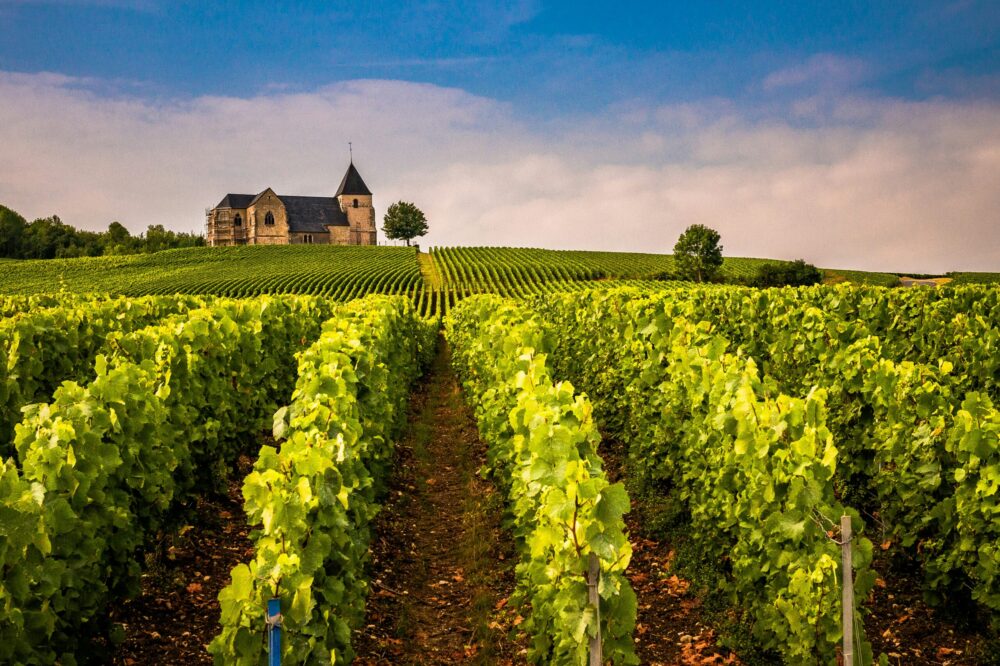
Champagne: The Region of Sparkling Wine
For sparkling wine lovers, the Champagne region is unparalleled. The cities of Reims and Épernay are the epicenters of Champagne production. Reims is home to grand Champagne houses like Moët & Chandon, Veuve Clicquot, and Taittinger, with vast cellars carved into chalk caves. Épernay’s Avenue de Champagne is lined with prestigious houses offering tours and tastings. A Champagne tour combines luxury, history, and effervescence.
Must-Visit Champagne Houses
- Moët & Chandon – Visit the cellars where Dom Pérignon is aged.
- Veuve Clicquot – Explore the crayères (chalk pits) and taste their iconic yellow label.
- Ruinart – The oldest Champagne house, with deep chalk cellars.
Beyond the houses, the Champagne route passes through picturesque vineyards and villages like Hautvillers, where Dom Pérignon once lived.
Lyon: Gateway to the Rhône Valley
Lyon, France’s gastronomic capital, is also an excellent base for wine tours in the Rhône Valley. The city offers easy access to northern Rhône appellations like Côte-Rôtie and Hermitage, known for Syrah-based reds, and southern Rhône areas like Châteauneuf-du-Pape, famous for Grenache blends. Lyon’s bouchons (traditional restaurants) pair local wines with regional dishes, making it a perfect stop for food and wine lovers.
Rhône Valley Wine Highlights
- Côte-Rôtie – Steep vineyards producing elegant Syrah.
- Châteauneuf-du-Pape – Full-bodied reds with a history of papal influence.
- Condrieu – Exclusive white wines from Viognier grapes.
Lyon’s location also allows day trips to Beaujolais, known for light, fruity Gamay wines, and the Loire Valley for Chenin Blanc and Cabernet Franc.
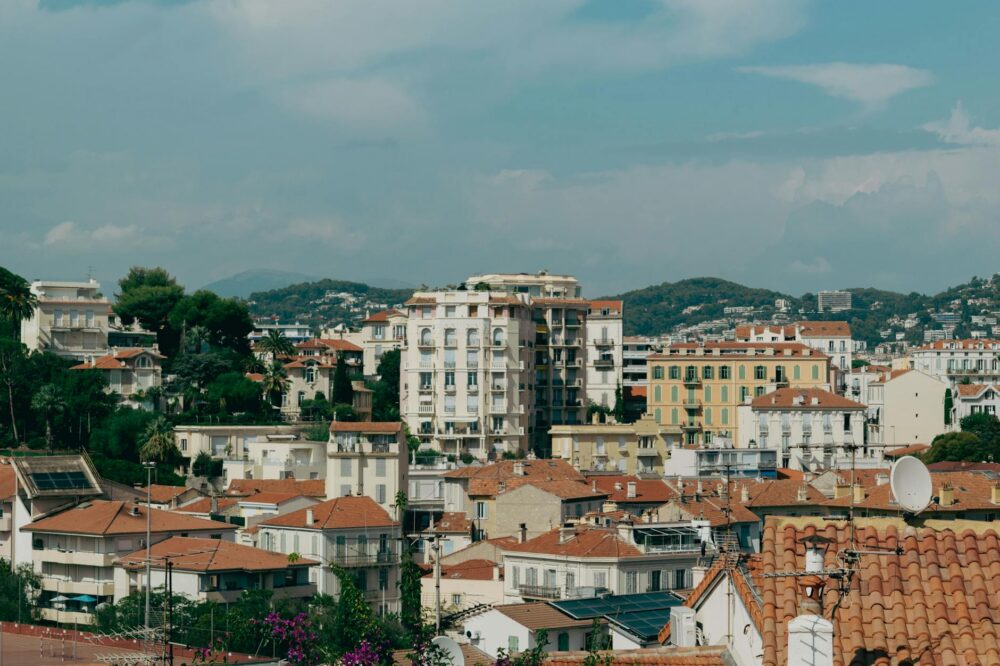
Marseille and Provence: Rosé Paradise
Marseille, the vibrant port city, is the gateway to Provence’s rosé wine region. Provence produces the majority of France’s rosé, with appellations like Côtes de Provence, Bandol, and Cassis. The region’s Mediterranean climate and limestone soils create fresh, aromatic rosés. Wine tours here often include vineyard visits with stunning sea views, and tastings of local specialties like bouillabaisse.
Provence Wine Routes
- Bandol – Known for robust reds and elegant rosés from Mourvèdre.
- Cassis – Coastal vineyards producing crisp white wines.
- Côtes de Provence – The largest appellation, famous for rosé.
Marseille’s lively markets and seafood restaurants provide perfect pairings for Provencal wines.
Strasbourg: Alsace Wine Route
Strasbourg, in the Alsace region, is a charming city surrounded by vineyards that produce aromatic white wines like Riesling, Gewürztraminer, and Pinot Gris. The Alsace Wine Route is one of the oldest in France, winding through medieval villages like Riquewihr and Colmar. Wine tastings here often include crémant d’Alsace, a sparkling wine, and the local cuisine pairs perfectly with the region’s whites.
Alsace Wine Highlights
- Riesling – Dry, mineral-driven wines from Grand Cru vineyards.
- Gewürztraminer – Aromatic, full-bodied white with lychee notes.
- Pinot Gris – Rich and spicy, ideal with foie gras.
Strasbourg’s half-timbered houses and Christmas markets add a festive touch to any wine tour.
Lyon and the Loire Valley: A Tale of Two Regions
While Lyon covers the Rhône, it also serves as a gateway to the Loire Valley, known for its diverse wines from Sancerre (Sauvignon Blanc) to Chinon (Cabernet Franc). The Loire Valley is a UNESCO site with stunning châteaux, making it a perfect blend of wine and history. Wine tours here can include tastings of Vouvray (Chenin Blanc) and Muscadet (Melon de Bourgogne).
Loire Valley Wine Regions
- Sancerre – Crisp, herbaceous Sauvignon Blanc.
- Chinon – Elegant reds from Cabernet Franc.
- Vouvray – Versatile Chenin Blanc from dry to sweet.
The city of Tours is an excellent base for exploring the Loire’s vineyards and châteaux.
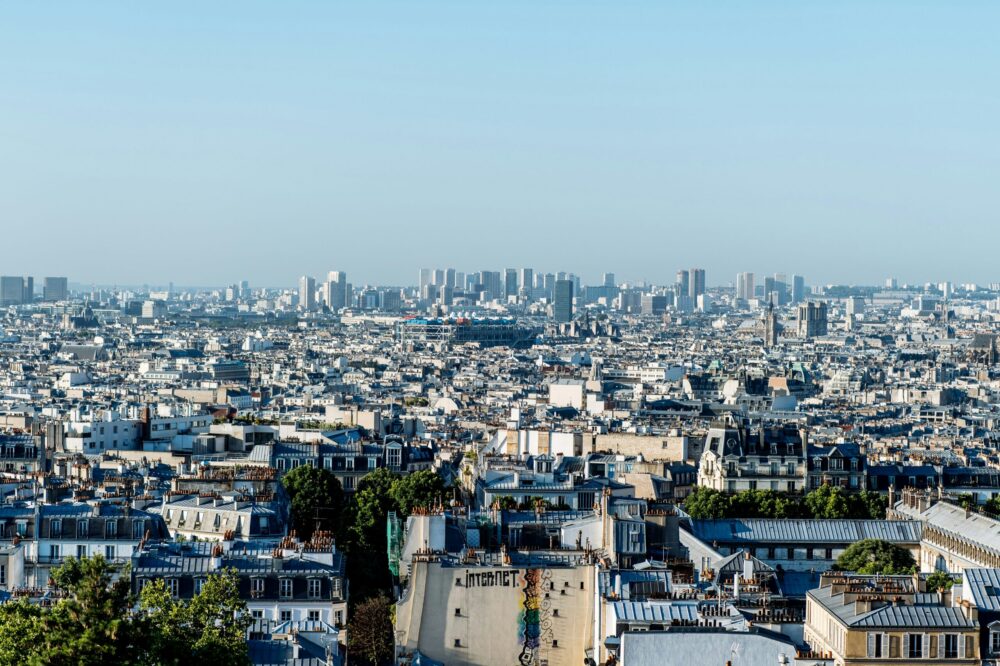
Paris: A Wine Lover’s Hub
While not a wine-producing region itself, Paris is a fantastic starting point for wine tours. The city has numerous wine bars, cellars, and specialized shops where you can taste wines from all over France. Many tours offer day trips to Champagne or the Loire Valley. Paris also hosts wine events like the Salon des Vignerons Indépendants. For a curated experience, consider a guided wine tasting in the city before venturing to the regions.
Paris Wine Experiences
- Le Verre Volé – A natural wine bar with a curated selection.
- Caves du Louvre – A historic cellar offering tastings and workshops.
- Day trips to Champagne – Easily accessible from Paris by train.
Paris combines culture, cuisine, and wine, making it a perfect base for a broader French wine tour.
Choosing the Best City for Your Wine Tasting Tour
When selecting among the best cities in France for a wine tasting tour, consider your wine preferences. Bordeaux is ideal for red wine lovers, while Burgundy appeals to Pinot Noir and Chardonnay enthusiasts. Champagne is a must for sparkling wine fans, and Provence offers the best rosés. Lyon and Strasbourg provide access to multiple regions, and Paris serves as a convenient hub. Each city offers unique experiences, from cellar visits to food pairings, ensuring a memorable journey through France’s wine heritage.
Tips for Planning Your Wine Tour
- Book in advance – Popular wineries require reservations, especially during harvest season.
- Consider transport – Many wine regions are best explored by car or guided tour.
- Pair with local cuisine – Enhance your tasting experience with regional dishes.
- Learn about terroir – Understanding the soil and climate adds depth to tastings.
Whether you are a seasoned oenophile or a casual enthusiast, France’s wine cities offer unparalleled opportunities to explore the world of wine. From the grandeur of Bordeaux to the intimacy of Burgundy’s cellars, each destination promises a rich tapestry of flavors, history, and culture. So raise a glass and embark on a wine tasting tour that will leave you with lasting memories and a deeper appreciation for French wine.
Photo by Sue Winston on Unsplash
I’m planning a trip to France and love red wine. Which city would you recommend as a base for someone who primarily enjoys Cabernet Sauvignon and Merlot blends?
Bordeaux is your best bet! It’s famous for those grape varieties, especially from appellations like Médoc and Saint-Émilion. You can visit grand châteaux and enjoy tastings right in the city.
This article mentions Burgundy for Pinot Noir and Chardonnay. Are there any specific towns within Burgundy that are especially good for wine tasting tours?
Absolutely! Key villages include Gevrey-Chambertin for powerful reds, Meursault for rich whites, and Chablis for crisp Chardonnay. Dijon is the main gateway, but staying in Beaune is also popular.
I’m not a big fan of sparkling wine. Is Champagne worth visiting for non-sparkling wine lovers?
Champagne is primarily about sparkling wine, but the region also produces still wines (Coteaux Champenois). However, if you’re not into bubbly, you might prefer Bordeaux or Burgundy for still wine focus.
The article mentions Lyon as a gateway to the Rhône Valley. Can you suggest a day trip from Lyon for wine tasting?
Yes! A day trip to Côte-Rôtie for Syrah or Châteauneuf-du-Pape for Grenache blends is easy from Lyon. You can also visit Beaujolais for light reds. Many tours operate from the city.
I’m interested in Provence rosé. What’s the best time of year to visit Marseille for wine tasting?
Late spring to early fall is ideal, especially May-June or September when the weather is pleasant and vineyards are in full swing. Summer can be hot, but it’s also peak rosé season.
The article lists top wineries near Bordeaux. Are there any affordable options for budget travelers?
Many smaller châteaux offer affordable tastings. Look for ‘Cru Bourgeois’ estates or visit the Cité du Vin museum for a variety of tastings. Also, wine bars in Bordeaux city have reasonable flights.
I’ve heard about the wine auction at Hospices de Beaune. Is that open to the public?
Yes, the auction is held annually in November and is open to the public, though bidding requires registration. You can also visit the Hospices throughout the year as a museum.