

France is a global leader in sustainable tourism, with many cities adopting green initiatives to reduce carbon footprints and promote eco-friendly travel. But which French city is best for an eco-friendly trip? This article explores the top contenders—from the bike-friendly streets of Strasbourg to the solar-powered gardens of Nice—to help you plan a responsible and memorable vacation. Whether you prioritize public transport, local organic food, or renewable energy, you’ll find a French city that aligns with your values.
Table des matières:
Why Choose an Eco-Friendly City Break in France?
Eco-friendly travel is more than a trend; it’s a necessity. France has embraced this shift with cities investing in green infrastructure, pedestrian zones, and sustainable mobility. By selecting a French city best for an eco-friendly trip, you reduce your environmental impact while experiencing authentic local culture. Many French destinations now offer carbon-neutral accommodations, farm-to-table dining, and nature-based activities that allow you to explore without harming the planet.
Top French Cities for Sustainable Tourism
Strasbourg: The Cycling Capital
Strasbourg consistently ranks as one of the most eco-friendly cities in Europe. With over 600 kilometers of cycle paths, it’s a paradise for cyclists. The city’s Vélhop bike-sharing system makes it easy to rent a bike and explore the historic Grande Île, a UNESCO World Heritage site. Strasbourg also boasts a comprehensive tram network powered by renewable energy. For a truly green stay, choose accommodations certified by the European Eco-label. The city’s commitment to sustainability makes it a strong candidate for which French city is best for an eco-friendly trip.
Nantes: A Green Urban Laboratory
Nantes has transformed from an industrial hub into a model of urban ecology. The city’s Île de Nantes project includes green roofs, urban farms, and energy-efficient buildings. Travelers can explore the city via the Navibus, a solar-powered river shuttle, or rent an electric car through the Marguerite car-sharing service. Nantes also hosts the Voyage à Nantes art trail, which highlights sustainable installations. Its innovative approach to green living makes it a top answer to which French city is best for an eco-friendly trip.
Grenoble: Alpine Eco-Warrior
Nestled in the French Alps, Grenoble is known for its commitment to renewable energy and biodiversity. The city has set ambitious goals to reduce CO2 emissions by 50% by 2030. Visitors can take advantage of the Métrocable, a cable car that connects the city center to the Bastille hill, reducing traffic. Grenoble also offers numerous hiking trails and nature reserves, such as the Parc National des Écrins, accessible by public transport. For outdoor enthusiasts seeking a sustainable adventure, Grenoble is a prime contender for which French city is best for an eco-friendly trip.
Lyon: Sustainable Gastronomy
Lyon is famous for its culinary scene, but it’s also a leader in sustainable food practices. The city promotes locavore dining, with many restaurants sourcing ingredients from nearby farms. Lyon’s Vélo’v bike-sharing system and extensive metro network make it easy to get around without a car. The Parc de la Tête d’Or offers a green oasis in the city center, with a zoo, botanical garden, and lake. Lyon’s focus on eco-gastronomy and green transport makes it a delicious answer to which French city is best for an eco-friendly trip.
Bordeaux: Wine and Eco-Responsibility
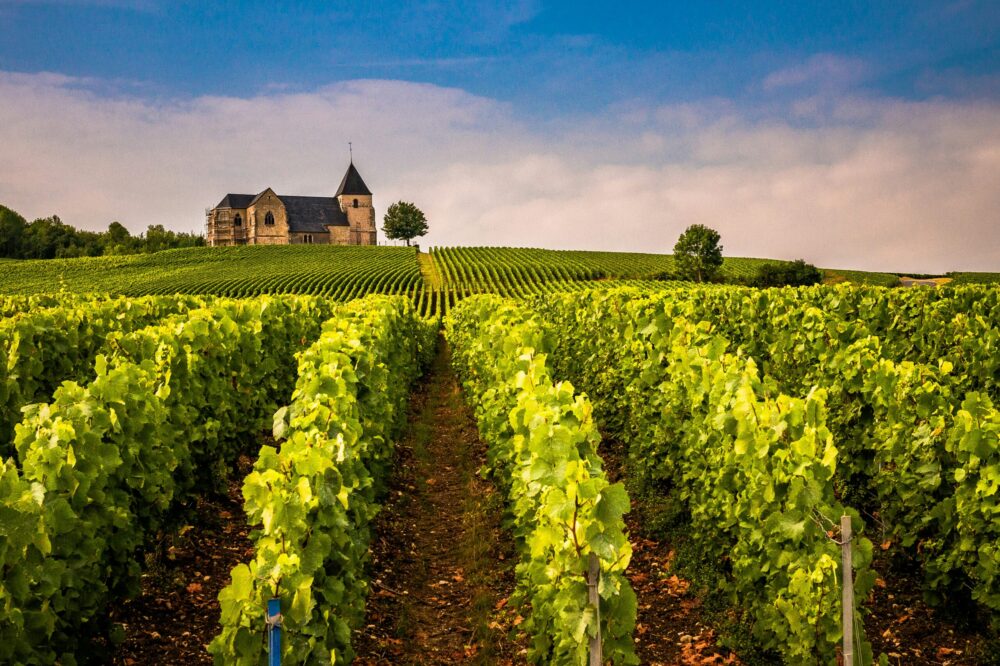
Bordeaux is not just about wine; it’s also a pioneer in sustainable urban development. The city has pedestrianized much of its historic center and introduced the V3 electric bike-sharing program. The Cité du Vin museum uses geothermal energy, and many vineyards in the region practice organic or biodynamic farming. Bordeaux’s Garonne River banks have been transformed into green spaces for walking and cycling. For wine lovers who care about the environment, Bordeaux is a top pick for which French city is best for an eco-friendly trip.
Nice: Solar-Powered Riviera
Nice is harnessing the Mediterranean sun with solar-powered public buildings and electric buses. The city’s Promenade du Paillon is a 12-hectare green corridor that connects the city center to the sea, featuring fountains, gardens, and playgrounds. Nice also encourages eco-friendly transportation with its Vélo Bleu bike-sharing system and a tram line powered by renewable energy. The nearby Parc National du Mercantour offers pristine nature for hiking and wildlife watching. Nice proves that even a bustling Riviera city can be a sustainable choice for which French city is best for an eco-friendly trip.
How to Choose the Best Eco-Friendly French City for You
When deciding which French city is best for an eco-friendly trip, consider your travel style and priorities. Here are some factors to weigh:
- Transportation: If you prefer cycling, Strasbourg is unmatched. For electric car-sharing, Nantes is ideal. For cable cars and hiking, choose Grenoble.
- Food: Lyon is the capital of sustainable gastronomy, while Bordeaux offers organic wine tours.
- Nature access: Grenoble and Nice provide easy access to national parks.
- Cultural attractions: Strasbourg and Nantes offer unique eco-friendly museums and art trails.
- Accommodation: Look for hotels with green certifications like Green Key or EU Ecolabel in any city.
Eco-Friendly Activities in French Cities
No matter which city you choose, there are plenty of sustainable activities to enjoy. Here are some ideas:
- Strasbourg: Take a guided bike tour of the Petite France district and sample local organic Alsatian wine.
- Nantes: Visit the Machines de l’Île, a mechanical art installation powered by renewable energy.
- Grenoble: Hike to the Bastille via the Sentier des Gouffres trail and enjoy panoramic views.
- Lyon: Join a food tour focusing on seasonal, locally sourced ingredients.
- Bordeaux: Explore the vineyards by electric bike and taste organic wines.
- Nice: Walk the Promenade des Anglais and dine at a zero-waste restaurant.
Tips for an Eco-Friendly Trip to France
To make your trip as sustainable as possible, follow these tips:
- Travel by train: France’s high-speed TGV network connects major cities with low carbon emissions. For example, Paris to Strasbourg takes just 1 hour 45 minutes.
- Pack light: Lighter luggage reduces fuel consumption on planes and trains.
- Use reusable items: Bring a water bottle, coffee cup, and shopping bag to avoid single-use plastics.
- Support local businesses: Eat at farm-to-table restaurants and shop at farmers’ markets.
- Offset your carbon footprint: Many airlines and travel companies offer carbon offset programs.
Comparison of French Cities for Eco-Friendly Travel
To help you decide which French city is best for an eco-friendly trip, here’s a quick comparison:
| City | Key Green Feature | Best For |
|---|---|---|
| Strasbourg | 600 km of bike paths | Cycling enthusiasts |
| Nantes | Solar-powered river shuttle | Urban eco-innovation |
| Grenoble | Renewable energy grid | Alpine nature lovers |
| Lyon | Locavore dining scene | Foodies |
| Bordeaux | Organic wine tourism | Wine connoisseurs |
| Nice | Solar-powered public transport | Mediterranean beach lovers |
Ultimately, the best city depends on your personal preferences. All six cities offer excellent eco-friendly options, so you can’t go wrong. By choosing any of them, you’re supporting sustainable tourism and helping to protect the environment for future generations.
So, which French city is best for an eco-friendly trip? It’s a close race, but Strasbourg edges ahead for its comprehensive cycling infrastructure and green policies. However, if you’re a food lover, Lyon might be your perfect match. For outdoor adventures, Grenoble is unbeatable. Whichever you choose, you’ll enjoy a memorable and responsible vacation in one of France’s greenest cities.
Photo by Diego F. Parra on Pexels


I’m planning a trip to France and want to be eco-friendly. Which city would you recommend for a family with young kids? We love cycling and outdoor activities.
Strasbourg is an excellent choice for families. It has extensive cycle paths safe for children, a bike-sharing system, and plenty of parks. The tram network is also stroller-friendly.
Are there any eco-certified hotels in Lyon? I’d like to stay somewhere that matches the city’s sustainable food focus.
Yes, Lyon has several eco-certified hotels, such as those with the European Eco-label or Green Key certification. Look for accommodations near the city center to easily access local markets and bike-sharing stations.
I’m a wine lover but concerned about environmental impact. Does Bordeaux really have sustainable vineyards I can visit?
Absolutely. Many Bordeaux vineyards practice organic or biodynamic farming, and some offer tours highlighting their sustainable methods. The city’s electric bike-sharing program makes it easy to reach them without a car.
I’m interested in Grenoble for hiking. Is public transport from the city to the mountain trails reliable and eco-friendly?
Yes, Grenoble’s public transport system includes buses and trams that connect to nearby trails like Parc National des Écrins. The Métrocable cable car is a fun, low-emission way to access the Bastille and its hiking paths.
Which French city is best for an eco-friendly trip if I want to avoid crowds and focus on renewable energy attractions?
Nantes stands out for its innovative green urban projects, like the Île de Nantes with solar-powered shuttles and energy-efficient buildings. It’s less crowded than other cities and offers a unique eco-focused experience.