
Table des matières:
Why Toulouse Is a Paradise for Architecture Lovers
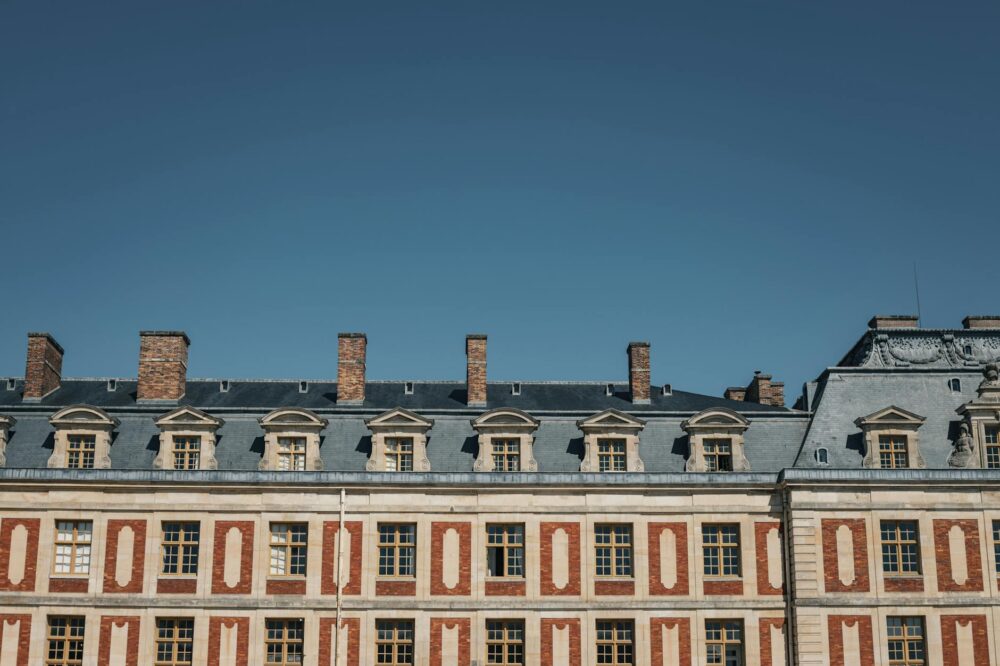
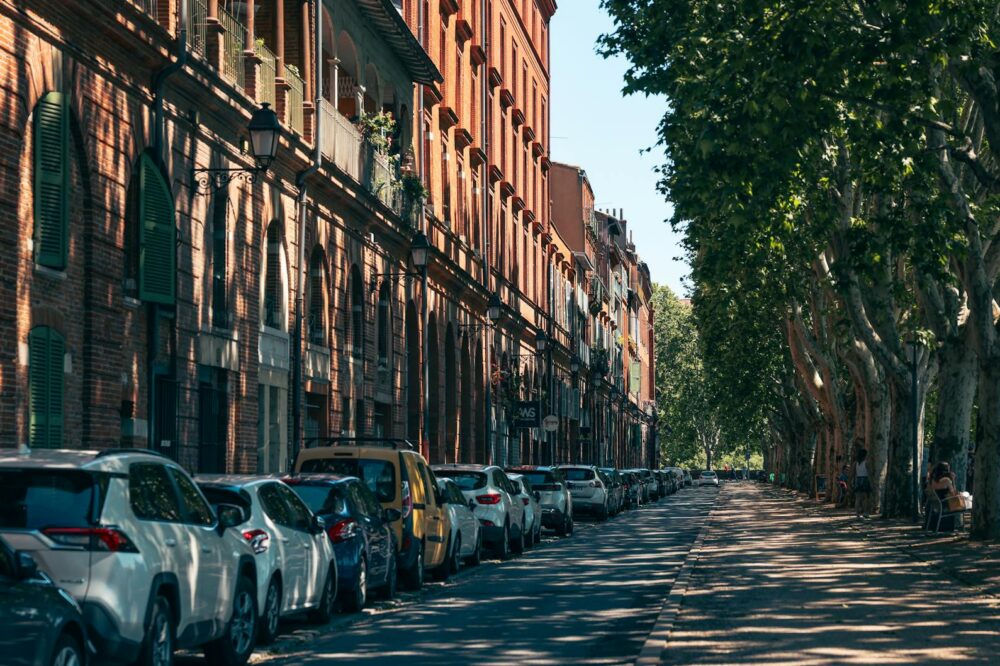
Known as the Ville Rose (Pink City) for its distinctive terracotta brickwork, Toulouse offers a rich tapestry of architectural styles spanning Romanesque, Gothic, Renaissance, and contemporary. For architecture enthusiasts, the city’s must-see locations in Toulouse for architecture enthusiasts include iconic landmarks like the Capitole and hidden gems like the Hôtel d’Assézat. This guide will walk you through the essential sites that showcase the city’s unique character and history.
The Capitole de Toulouse: A Civic Masterpiece
The Capitole is the heart of Toulouse, housing the city hall and the Théâtre du Capitole. Its neoclassical façade, built in the 18th century, features eight columns and a grand pediment. The interior boasts the Salle des Illustres, a series of lavishly decorated rooms with paintings and sculptures celebrating the city’s history. Architecture enthusiasts will appreciate the blend of styles, from the Renaissance courtyard to the modern Henri Martin hall.
Key Features of the Capitole
- Façade: A perfect example of 18th-century neoclassicism, with pink brick and stone.
- Salle des Illustres: A sequence of rooms adorned with artwork from the 19th and 20th centuries.
- Courtyard: A Renaissance-style arcaded courtyard that hosts events.
Basilique Saint-Sernin: Romanesque Grandeur
One of the largest Romanesque churches in Europe, the Basilique Saint-Sernin is a UNESCO World Heritage site on the Camino de Santiago. Its octagonal bell tower and five-aisled nave are architectural marvels. The interior features a stunning ambulatory with radiating chapels, housing relics and exquisite Romanesque sculptures. The use of pink brick and stone creates a warm, luminous atmosphere.
Architectural Highlights
- Bell Tower: An iconic five-tiered octagonal tower, a symbol of Toulouse.
- Ambulatory: A double ambulatory with nine chapels, showcasing Romanesque vaulting.
- Portal Miégeville: A richly sculpted portal depicting biblical scenes.
Couvent des Jacobins: Gothic Elegance
The Jacobins Convent is a masterpiece of southern French Gothic architecture. Its most striking feature is the palm tree-like vault of the nave, supported by a single slender column. The church’s simplicity and verticality contrast with the ornate cloisters. The convent also houses the relics of Thomas Aquinas. This is a must-see for those interested in medieval architecture.
What to Look For
- The Palm Tree Vault: A unique ribbed vault that fans out from a central column.
- Cloisters: A peaceful garden surrounded by Gothic arcades.
- Refectory: A large hall with a wooden roof, now used for exhibitions.
Hôtel d’Assézat: Renaissance Splendor
The Hôtel d’Assézat is a 16th-century mansion built for a wealthy merchant. It exemplifies the Renaissance style in Toulouse, with a symmetrical façade, ornate windows, and a grand courtyard. The building now houses the Bemberg Foundation, an art museum with works from the Renaissance to the 20th century. The combination of pink brick and stone carving makes it a standout.
Architectural Details
- Façade: Balanced design with pilasters and a central pediment.
- Courtyard: Arcaded on three levels, with a monumental staircase.
- Interior: Period rooms with original fireplaces and ceilings.
Pont Neuf: Engineering and Aesthetics
Despite its name (New Bridge), the Pont Neuf is the oldest bridge in Toulouse, completed in the 17th century. It spans the Garonne River with seven arches and a distinctive humpback shape. The bridge was an engineering feat, designed to withstand floods. Its elegant proportions and views of the river make it a favorite for photographers and architecture buffs.
Église Notre-Dame du Taur: A Unique Church
This church is notable for its unusual bell tower, which resembles a fortified keep. The church’s name (Our Lady of the Bull) refers to a legend about a bull that discovered the relics of Saint Saturnin. The architecture is a mix of Romanesque and Gothic, with a single nave and a flat apse. The interior features a beautiful organ and stained glass.
La Cité de l’Espace: Modern Architecture
While not historical, La Cité de l’Espace is a modern architectural attraction. This theme park dedicated to space exploration includes full-scale replicas of rockets, a planetarium, and the iconic Ariane 5 rocket standing 53 meters tall. The contemporary design of the buildings contrasts with the city’s historic core, offering a glimpse into modern French architecture.
Les Abattoirs: Industrial Rebirth
Once a slaughterhouse, Les Abattoirs is now a museum of modern and contemporary art. The building itself is a fine example of industrial architecture, with vast halls and a metal framework. The conversion into a cultural space preserves the original structure while adding modern galleries. It’s a great example of adaptive reuse.
Saint-Pierre des Cuisines: Romanesque and Baroque
This former church, now a concert hall, combines Romanesque origins with Baroque modifications. The interior features a nave with barrel vaults and a large fresco. The building’s history as a kitchen (the name means Saint Peter of the Kitchens) adds to its charm. It’s a lesser-known gem for architecture lovers.
Le Jardin Japonais: A Peaceful Retreat
Located in the Compans-Caffarelli district, this Japanese garden is a serene space with a tea house, bridges, and a pond. While not traditional Toulouse architecture, it represents the city’s openness to global influences. The garden’s design follows Japanese principles of harmony and balance.
How to Plan Your Architectural Tour of Toulouse
To make the most of your visit, consider these tips:
- Start at the Capitole: The central square is a good starting point.
- Walk the historic center: Many buildings are within walking distance.
- Use the VélôToulouse bike share: A great way to cover more ground.
- Take a guided tour: Local experts can reveal hidden details.
- Visit during the Journées du Patrimoine: Many buildings open their doors.
Final Thoughts on Toulouse’s Architectural Treasures
From the Romanesque majesty of Saint-Sernin to the Renaissance elegance of Hôtel d’Assézat, Toulouse offers a wealth of architectural wonders. The must-see locations in Toulouse for architecture enthusiasts include both iconic landmarks and lesser-known sites that reveal the city’s rich history and cultural diversity. Whether you’re a professional architect or a curious traveler, the Ville Rose will captivate you with its pink brick, intricate details, and timeless beauty.
Photo by Carl-Emil Jørgensen on Pexels

I’m planning a trip to Toulouse and love Romanesque architecture. Is the Basilique Saint-Sernin accessible for wheelchair users?
The Basilique Saint-Sernin is generally accessible, with a ramp at the main entrance. However, some areas like the ambulatory may have steps. It’s best to check with the church directly for the latest accessibility details.
Great article! Are there any guided tours that focus specifically on the architectural highlights you mentioned?
Yes, several local companies offer architecture-focused walking tours. The Toulouse tourist office runs a ‘Pink City’ tour that covers the Capitole, Saint-Sernin, and the Jacobins. Private guides can also tailor tours to your interests.
I’m interested in the Renaissance style. Besides Hôtel d’Assézat, are there other Renaissance buildings worth seeing in Toulouse?
Absolutely. The Hôtel de Bernuy (now a school) and the Hôtel de Clary are excellent examples. The Musée des Augustins also occupies a former Augustinian convent with Renaissance cloisters.
The Couvent des Jacobins sounds amazing. How long should I allocate for a visit there?
Plan about 1 to 1.5 hours to fully appreciate the church, cloisters, and any exhibitions. The palm tree vault is a highlight, so take time to admire it from different angles.
What’s the best time of day to photograph the Pont Neuf for good lighting?
Early morning or late afternoon offers the best light. Sunrise casts a warm glow on the pink brick, while sunset provides beautiful reflections on the Garonne. The bridge is also lovely when illuminated at night.