
When you ask yourself, “Which French city is best for learning about French history?”, you are embarking on a journey through centuries of culture, politics, and art. France is a country where every cobblestone and cathedral tells a story. From the medieval ramparts of Carcassonne to the revolutionary streets of Paris, each city offers a unique window into the past. This article will help you decide which destination will enrich your understanding of French history the most. We will explore top contenders, their historical highlights, and what makes each special for the history enthusiast.
Table des matières:
Paris: The Undisputed Heart of French History
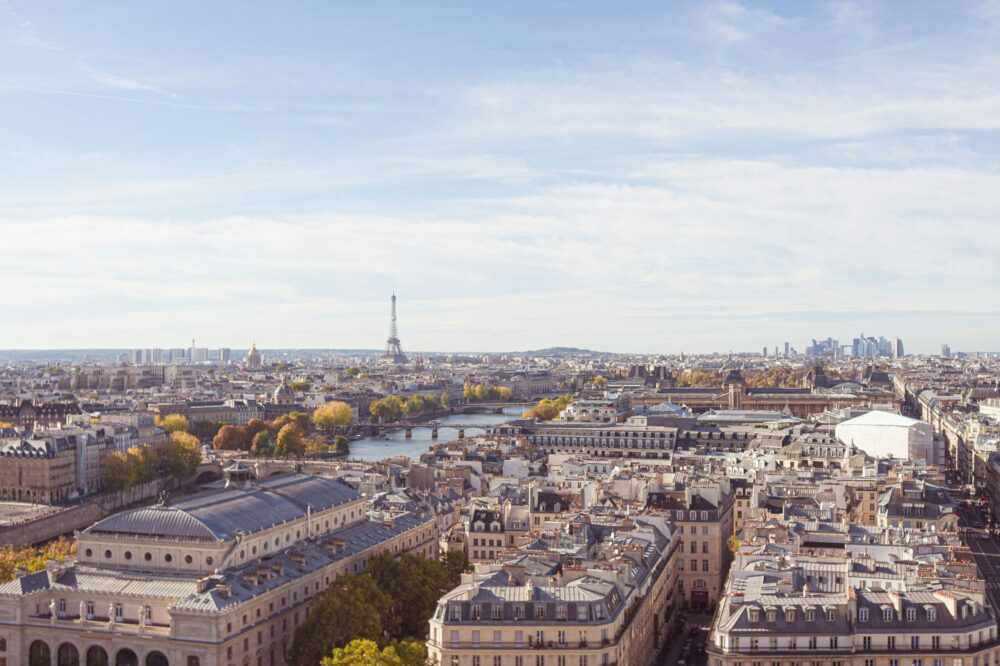
Paris is often the first answer to the question, “Which French city is best for learning about French history?” With its world-renowned museums, monuments, and archives, the capital is a living textbook. The Louvre, Musée d’Orsay, and the Carnavalet Museum (dedicated to the history of Paris) offer comprehensive collections spanning from antiquity to the modern era. Walking through the Marais or the Latin Quarter, you encounter traces of Roman Lutetia, medieval streets, and Haussmannian boulevards.
Key Historical Sites in Paris
- Notre-Dame Cathedral: A masterpiece of Gothic architecture, symbol of medieval Paris.
- The Conciergerie: Former prison of Marie Antoinette during the French Revolution.
- Place de la Bastille: Site of the storming of the Bastille, a pivotal event in 1789.
- Les Invalides: Home to the tomb of Napoleon Bonaparte and the Army Museum.
- Panthéon: Final resting place of Voltaire, Rousseau, Victor Hugo, and other luminaries.
Paris excels in breadth and depth. However, its vastness can be overwhelming. For those who prefer a more focused or less crowded experience, other cities may be a better fit.
Lyon: A Journey Through Roman and Renaissance History
Lyon, the ancient capital of the Gauls, offers a compelling alternative for history learners. Its Roman amphitheaters and the Basilica of Saint-Martin d’Ainay (one of the oldest churches in France) are just the beginning. The city’s Renaissance old town, a UNESCO World Heritage site, is exceptionally well-preserved. Lyon’s role as a silk-weaving center and its resistance during World War II add layers to its historical narrative.
Top Historical Attractions in Lyon
- Ancient Theatre of Fourvière: A Roman theater still used for performances.
- Lugdunum Museum: Dedicated to the Roman history of Lyon.
- Vieux Lyon (Old Lyon): Renaissance architecture with traboules (hidden passageways).
- Musée des Confluences: A modern museum covering natural and human history.
- Centre d’Histoire de la Résistance et de la Déportation: Chronicles Lyon’s role in WWII.
Lyon is ideal for those interested in Roman Gaul, Renaissance commerce, and 20th-century resistance. Its manageable size and rich culinary scene make it a delightful place to study history.
Avignon: The Papal City and Medieval Powerhouse
For medieval history enthusiasts, Avignon is a top candidate. In the 14th century, it became the seat of the papacy, leaving a magnificent palace and fortifications. The Palais des Papes is one of the largest Gothic palaces in Europe. The city’s ramparts, the famous Pont d’Avignon, and the surrounding region of Provence offer a deep dive into the Middle Ages and the influence of the Catholic Church.
Must-See Historical Sites in Avignon
- Palais des Papes: A UNESCO World Heritage site and symbol of papal power.
- Pont Saint-Bénézet (Pont d’Avignon): The legendary bridge with a chapel.
- Rocher des Doms: A park with panoramic views and historical significance.
- Musée du Petit Palais: Houses Renaissance paintings and medieval art.
- Avignon Cathedral (Notre-Dame des Doms): Romanesque architecture and papal tombs.
Avignon is perfect for those focused on the medieval period and the history of the papacy. Its compact center is walkable and filled with history.
Versailles: The Epitome of Absolute Monarchy
If your interest lies in the Ancien Régime and the French monarchy, Versailles is unmissable. The Palace of Versailles, built by Louis XIV, is a testament to royal extravagance and political power. The Hall of Mirrors, the Grand Trianon, and the vast gardens are essential for understanding the court life that led to the French Revolution. While not a city in the traditional sense, Versailles is a short trip from Paris and offers an immersive experience into 17th- and 18th-century France.
Key Historical Highlights of Versailles
- Palace of Versailles: The royal residence and symbol of absolutism.
- Hall of Mirrors: Where the Treaty of Versailles was signed in 1919.
- Marie Antoinette’s Estate: The Queen’s Hamlet and Petit Trianon.
- Gardens of Versailles: Masterpieces of French formal garden design.
- Musée de l’Histoire de France: Located within the palace, chronicling French history.
Versailles is best for those who want to focus on the monarchy and its downfall. However, it can be crowded, and the history is heavily concentrated in one site.
Strasbourg: A Crossroads of French and German History
Strasbourg, in the Alsace region, offers a unique perspective on Franco-German relations and European integration. Its cathedral, a masterpiece of Gothic architecture, was for centuries the tallest building in the world. The city’s half-timbered houses and canals in the Petite France district recall its medieval past. Strasbourg is also the seat of the European Parliament, symbolizing its role in modern European history.
Historical Attractions in Strasbourg
- Strasbourg Cathedral: A stunning example of Gothic architecture with an astronomical clock.
- Palais Rohan: Former residence of cardinals and bishops, now housing museums.
- Petite France: A historic quarter with tanners’ houses and canals.
- Musée Alsacien: Dedicated to Alsatian folk history and culture.
- European Parliament: Symbol of post-war European unity.
Strasbourg is ideal for those interested in the Holy Roman Empire, the Reformation, and modern European history. Its bilingual culture adds a fascinating layer.
Bordeaux: From Roman City to Enlightenment Port
Bordeaux, known for its wine, also boasts a rich history. As a Roman city (Burdigala), it has remnants like the Palais Gallien amphitheater. During the Enlightenment, Bordeaux flourished as a port city, and its 18th-century architecture is among the finest in France. The city’s role in the slave trade and its transformation into a modern metropolis are also important chapters.
Historical Highlights of Bordeaux
- Place de la Bourse: A masterpiece of 18th-century architecture reflecting the Age of Enlightenment.
- Palais Gallien: Remains of a 2nd-century Roman amphitheater.
- Porte Cailhau: A medieval gate commemorating a victory.
- Musée d’Aquitaine: Covers the history of the region from prehistory to modern times.
- Grosse Cloche: A medieval bell tower and former prison.
Bordeaux is perfect for those interested in Roman history, the Enlightenment, and maritime trade. Its wine heritage is a bonus.
Comparing the Top Cities for Learning French History
To help you decide which French city is best for learning about French history, here is a comparison based on different historical periods:
- Ancient History: Lyon and Bordeaux have strong Roman roots, with Lyon being the capital of Roman Gaul.
- Medieval History: Avignon (papacy), Strasbourg (Holy Roman Empire), and Paris (Gothic cathedrals) are top choices.
- Renaissance and Ancien Régime: Paris (Louvre, royal palaces) and Versailles (monarchy) are unmatched.
- Revolutionary and Napoleonic Era: Paris (Bastille, Conciergerie, Arc de Triomphe) is the epicenter.
- 19th and 20th Centuries: Paris (Haussmann, World Wars) and Lyon (Resistance) offer deep insights.
- European Integration: Strasbourg is the heart of modern European institutions.
Practical Considerations for History Learners
When choosing the best French city for learning about French history, consider factors like accessibility, cost, and language. Paris has the most resources but can be expensive. Lyon and Strasbourg offer a more affordable experience with excellent museums. Avignon is ideal for a focused medieval study, while Versailles is best for a day trip. If you prefer a slower pace, smaller cities like Carcassonne (medieval fortress) or Reims (Gothic cathedral and champagne) also offer rich history.
Tips for an Immersive Historical Experience
- Visit museums with guided tours or audio guides to gain deeper context.
- Walk historic neighborhoods to see layers of architecture from different eras.
- Read local history books or attend lectures at cultural centers.
- Combine multiple cities for a broader understanding. For example, start in Paris, then take a train to Lyon or Avignon.
- Take advantage of free walking tours led by local historians.
Final Thoughts on Choosing the Best French City for Learning About French History
There is no single answer to the question, “Which French city is best for learning about French history?” The best city depends on your specific interests. If you want a comprehensive overview, Paris is unbeatable. For a focus on medieval times, Avignon or Strasbourg are excellent. For Roman history, Lyon stands out. For the monarchy, Versailles is essential. For modern European history, Strasbourg is unique. Consider what period or theme fascinates you most, and let that guide your choice. Whichever city you choose, you will find a wealth of historical treasures waiting to be discovered. Bon voyage and happy learning!
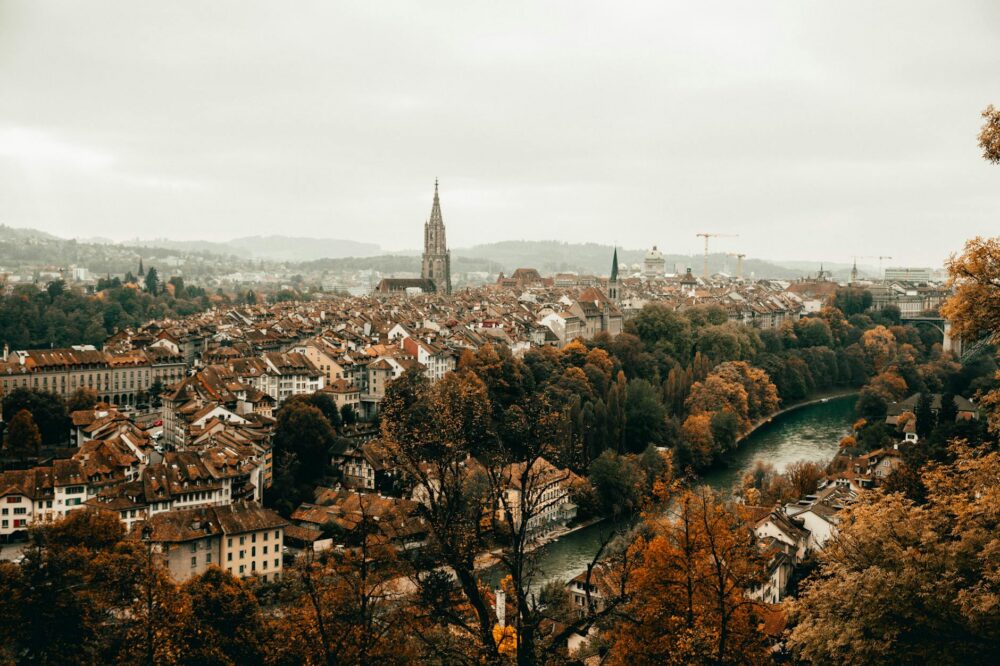
Photo by Dimitri Iakymuk on Unsplash
I’m planning a trip to France and really want to focus on history. Between Paris and Lyon, which would you recommend for someone who is more interested in Roman and medieval history than the Revolution?
For Roman and medieval history, Lyon is an excellent choice. Its Roman theaters and museum are top-notch, and the Renaissance old town offers a deep dive into medieval life. Paris certainly has medieval sites like Notre-Dame, but Lyon’s compact size makes it easier to immerse yourself in those periods.
Great article! I was wondering if there are any smaller towns that are good for learning about French history, or are the big cities the best bet?
Smaller towns can be wonderful for focused periods. For example, Carcassonne is perfect for medieval fortifications, and Arles has impressive Roman ruins. However, if you want a broad overview, a city like Paris or Lyon offers more museums and variety. It depends on your specific historical interests!
I’ve been to Versailles and loved it, but I’m not sure if I should stay there or just day-trip from Paris. What do you think?
A day trip from Paris is very doable and common, as Versailles is just a short train ride away. However, if you want to fully explore the palace and gardens without rush, staying overnight in Versailles allows you to experience the town’s quieter atmosphere and perhaps visit the nearby estate of Marie Antoinette at your leisure.